US university teams compete in NASA’s lunar robotics challenge
The 2026 Lunabotics Challenge finals tested remote-controlled machines designed to build regolith berms under simulated Artemis conditions.
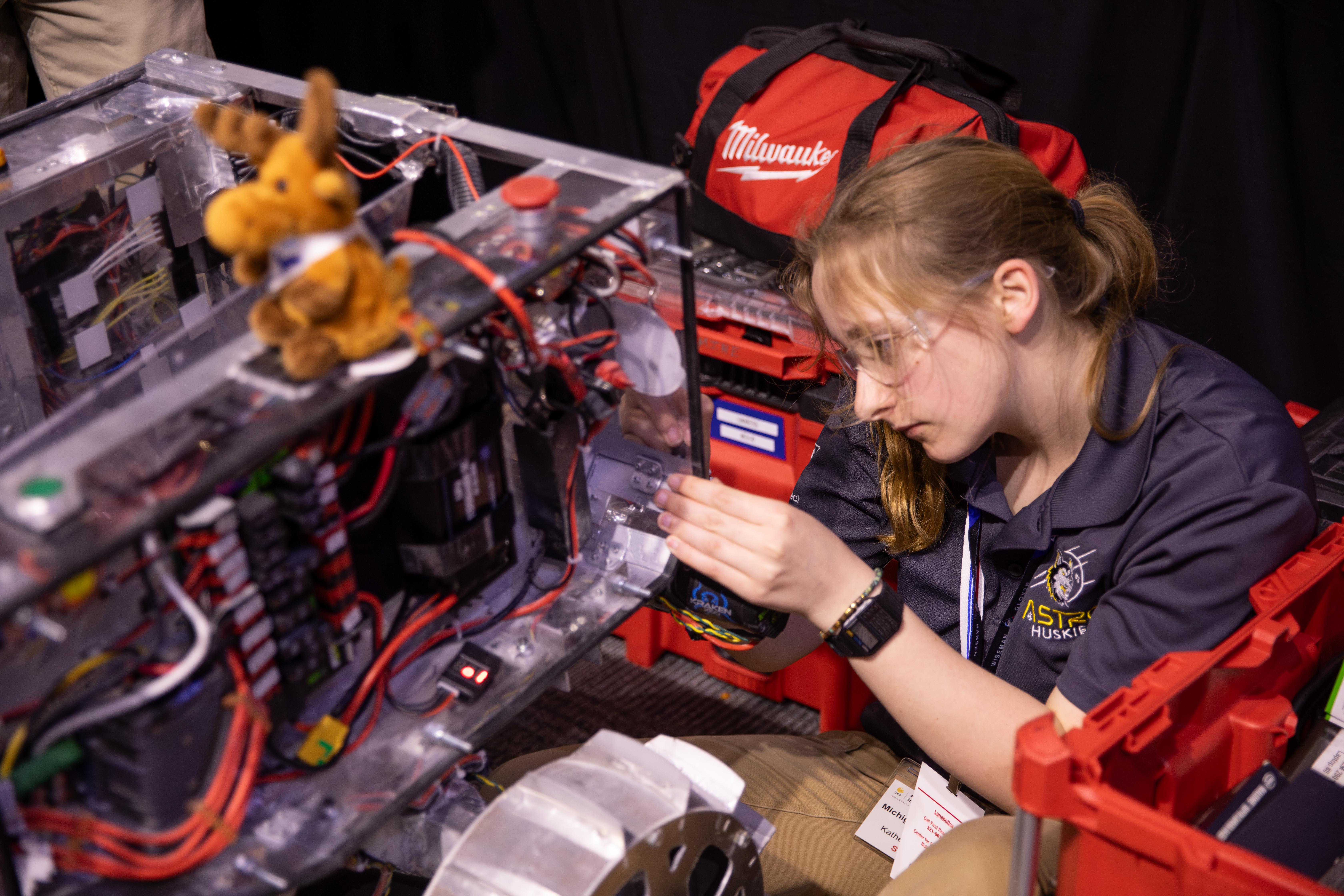
Forty-seven university teams from across the United States competed in the finals of NASA’s 2026 Lunabotics Challenge at the Kennedy Space Center Visitor Complex in Florida on Tuesday, May 19, 2026. The event brought together students from higher education institutions to demonstrate their ability to design and build remote-controlled robots capable of operating in environments that mimic the lunar surface.
Participants were tasked with developing prototype off-world construction robots that apply NASA’s Systems Engineering principles. During the competition, these machines were required to traverse challenging terrain and construct regolith-based berms. The operational conditions were specifically designed to simulate the challenges expected during the agency’s Artemis programme, which aims to return humans to the Moon.
The challenge serves as a practical exercise for students to develop technologies that support future space exploration objectives. By focusing on construction operations, the competition highlights the engineering requirements for establishing infrastructure on the lunar surface, a key component of NASA’s long-term exploration strategy.
Katherine Rauscher of Michigan Technological University was photographed preparing her team’s prototype lunar robot for its turn during the finals. Her participation underscores the involvement of diverse academic institutions in the effort to advance robotic capabilities for extraterrestrial environments.
The source material does not specify the winner or final ranking of the 47 competing teams. The robots demonstrated in the event are described as prototype units designed for the challenge rather than operational hardware, reflecting the developmental stage of the technology being tested.