US Treasury warns shippers against paying tolls or donations for Strait of Hormuz passage
The Department of the Treasury's Office of Foreign Assets Control has issued a formal advisory stating that payments to Iran for safe passage through the Strait of Hormuz will trigger sanctions, regardless of the currency or method used.
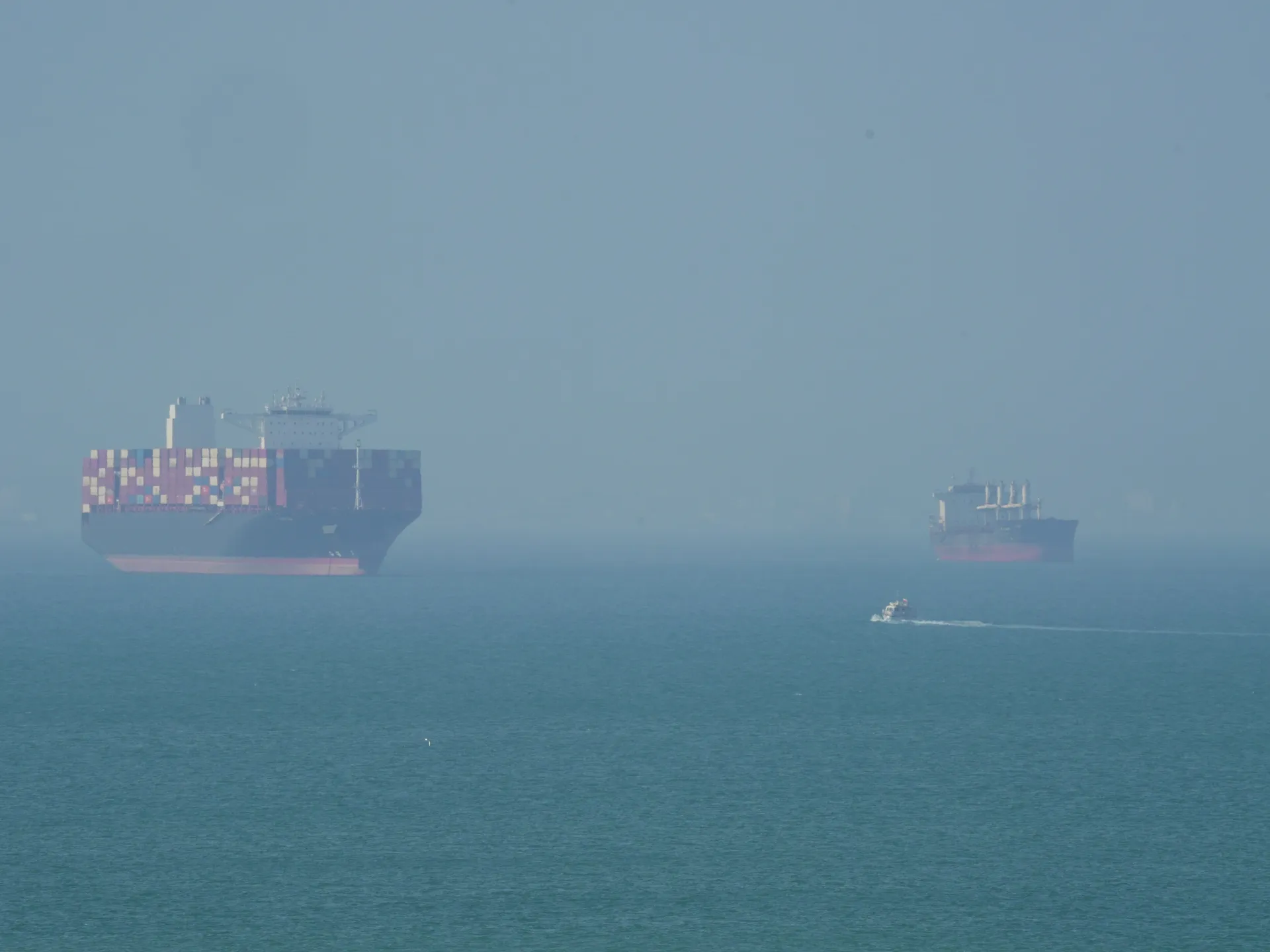
The United States Department of the Treasury's Office of Foreign Assets Control (OFAC) has issued a stark warning to global shippers regarding the financial implications of transiting the Strait of Hormuz. The advisory explicitly states that any payment made to Iran for passage, including tolls, fees, or payments disguised as charitable donations, exposes the payer to severe sanctions. This directive applies to both US and non-US persons soliciting guarantees or making payments to the Iranian regime for safe passage through the critical waterway.
The scope of the warning is notably broad, covering not only traditional fiat currency but also digital assets, offsets, informal swaps, and in-kind payments. OFAC specifically identified charitable contributions to entities such as the Iranian Red Crescent Society, Bonyad Mostazafan, or Iranian embassy accounts as sanctioned activities if they are used to secure transit rights. The agency emphasised that these sanctions risks exist irrespective of the payment method employed.
This regulatory alert arrives as a US naval blockade of the strait enters its third consecutive week, with ceasefire negotiations between Washington and Tehran remaining stalled. The Strait of Hormuz remains a vital geopolitical chokepoint, with approximately one-fifth of global crude oil and liquefied natural gas maritime shipments passing through the artery. While fighting between the two nations largely halted following a tentative agreement on April 7, the blockade and diplomatic impasse have created a volatile environment for international trade.
The timing of the warning coincides with reports that Iranian President Masoud Pezeshkian has presented a new peace proposal to the Trump administration. However, a White House spokesperson declined to confirm receipt of the proposal, stating that officials do not detail private diplomatic conversations. The administration reiterated that President Trump has made it clear that Iran can never possess a nuclear weapon, while maintaining that negotiations continue to ensure national security.
Iranian Foreign Minister Abbas Araghchi stated that Tehran remains open to diplomacy provided Washington alters its expansionist approach and threatening rhetoric. Despite these diplomatic overtures, the US government has repeatedly rejected past Iranian proposals to charge fees or tolls for vessel passage. Both the Iranian government and the Islamic Revolutionary Guard Corps (IRGC) remain under existing US sanctions, reinforcing the strict financial constraints placed on the region.