US Treasury warns of sanctions over alleged Chinese AI IP theft
Treasury Secretary Scott Bessent says sanctions and Entity List designations remain possible as Washington intensifies scrutiny of Chinese open-source models.
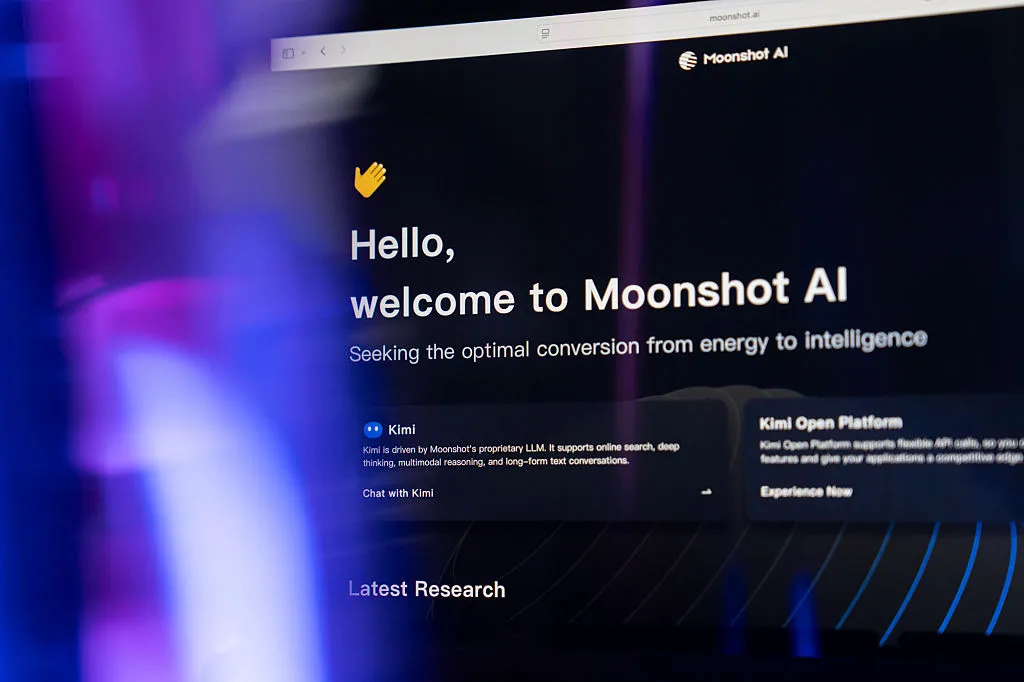
US Treasury Secretary Scott Bessent has warned that sanctions and Entity List designations remain possible against Chinese artificial intelligence firms following White House accusations that Moonshot improperly distilled Anthropic’s Fable model to develop its Kimi K3 system. The US government has indicated it will examine open-source models from China for signs of intellectual property theft and impose penalties if found.
Bessent stated on X that “open source is not open season on American IP,” adding that sanctions would be considered if firms conduct covert, industrial-scale distillation attacks. Model distillation is a common training technique where a smaller model learns from the outputs of a larger one; while it is widely used as a legitimate optimisation method, officials described the alleged actions as a breach of intellectual property rights.
White House science and technology policy chief Michael Kratsios alleged that Moonshot violated US export control rules by acquiring Nvidia GB300-equipped servers and accessing similar hardware in Thailand. The GB300 servers are part of Nvidia’s Blackwell generation, which is currently banned from sale to Chinese companies. Kratsios suggested the firm likely used this hardware to train its AI models.
Some experts dispute the feasibility of Kimi K3 being developed primarily through distillation from Fable, noting that the latter has only been publicly available since 1 July 2026. Moonshot released K3 last week as an open-weight model, prompting debate over whether US AI labs can justify their capital requirements given the capabilities of Chinese open models.
The episode has intensified a broader debate in Washington over the influx of Chinese open models and potential national security risks. Former White House AI advisor and current OpenAI Head of Strategic Futures, Dean Ball, has argued for restricting or banning Chinese open-weight models to preserve America’s technological advantage. Trump adviser David Sacks has also described Moonshot’s performance as “concerning.”