US Treasury Secretary threatens unprecedented economic isolation of Iran
Washington escalates pressure on Tehran while US Navy addresses operational issues with the USS Abraham Lincoln.
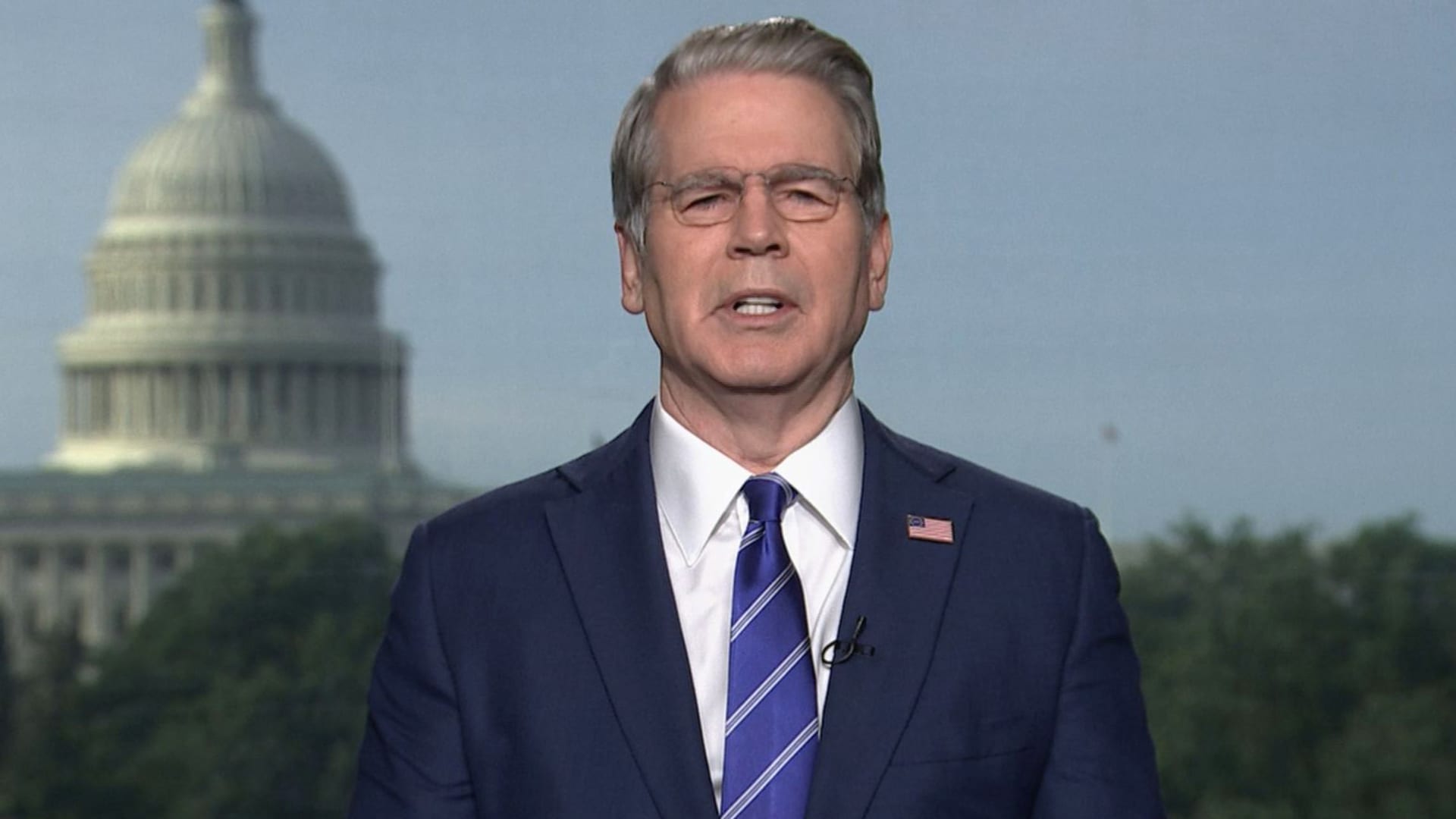
US Treasury Secretary Scott Bessent has announced that the United States will implement economic isolation tactics against Iran described as "unprecedented" and unlike anything the world has seen before. This declaration was made alongside confirmation that the blockade of the Strait of Hormuz will remain in place.
Bessent explicitly characterised the upcoming measures as a dual strategy, combining severe financial isolation with the maintenance of the maritime blockade. The statement underscores the intensity of the current geopolitical standoff, which has seen oil prices rise following attacks in the Red Sea and Gulf of Oman.
Concurrently, the US Navy is engaged in efforts to relieve the aircraft carrier USS Abraham Lincoln. The vessel has been described as "troubled," prompting the logistical operation to replace or support the carrier. The specific nature of the issues affecting the Abraham Lincoln has not been detailed in available reports.
The escalation follows a period of diplomatic movement, with US and Iranian officials indicating progress toward an interim peace deal in June 2026. That agreement was intended to reopen the Strait of Hormuz, a critical artery for global energy markets. However, the continued blockade and the new economic threats suggest that the interim arrangements may not have resolved the underlying tensions.
Oil prices remain a key market indicator as of 13 August 2026, reflecting the ongoing instability in the region. The combination of financial pressure and military posturing signals a significant hardening of the US position, with implications for global energy supply chains and investor sentiment.