US Trade Rep claims EU commitment to deal despite new forced labour tariffs
The US Trade Representative insists both Washington and Brussels remain bound by their trade agreement, even as new tariffs targeting goods linked to forced labour are proposed.
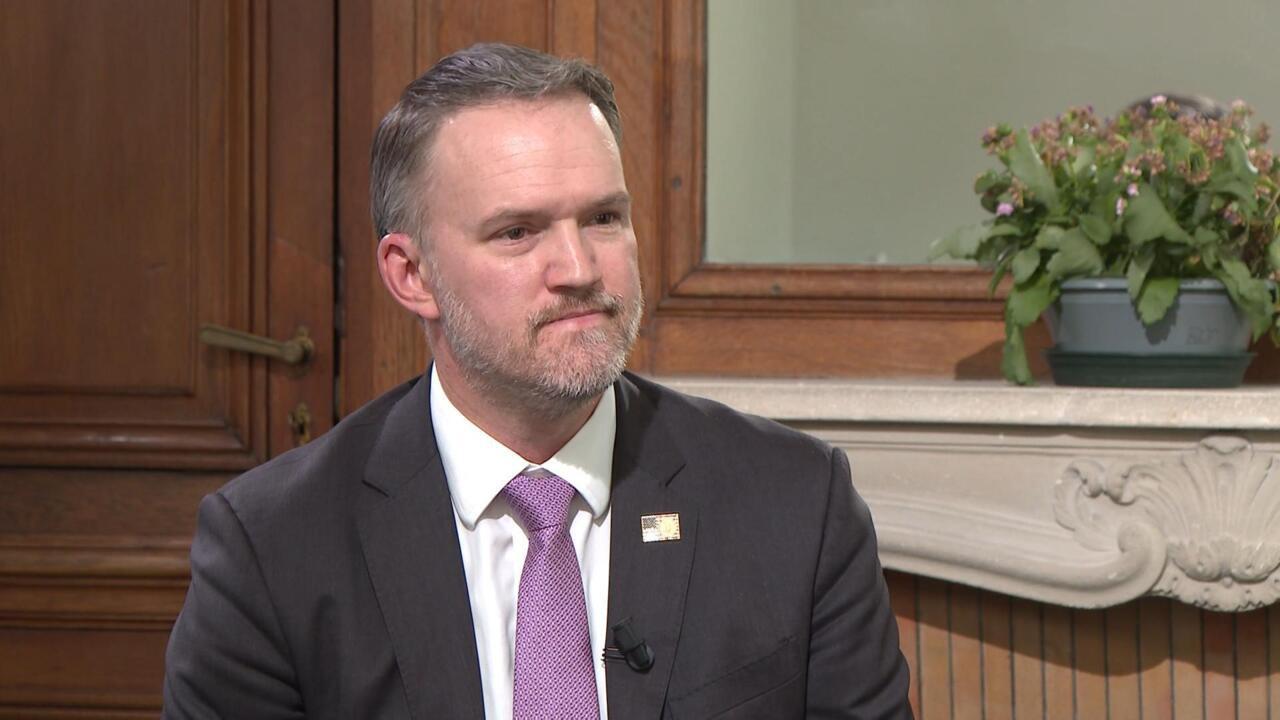
US Trade Representative Jamieson Greer has affirmed that both the United States and the European Union remain committed to compliance with their existing trade deal, despite the announcement of new US tariff proposals on Wednesday. Speaking in an interview with FRANCE 24, Greer expressed confidence that there is significant room for continued adherence to the agreement, even as Washington moves forward with restrictions on imports of goods produced using forced labour.
The US trade official maintained that the diplomatic and economic framework between the two transatlantic partners remains intact. Greer stated that he saw "a lot of room" for the parties to continue complying with the deal, suggesting that the new tariff measures targeting specific labour practices do not necessarily undermine the broader bilateral trade relationship.
However, the landscape for formal negotiations has been complicated by actions from other trading partners. Greer noted that Canada’s retaliation against US trade policies has made formal negotiations difficult, indicating that external pressures are adding friction to the US approach to international trade agreements.
In addition to the discussion on European relations, Greer highlighted changes in the US trade balance with China. He claimed that the US trade deficit with China has decreased by 30 per cent since the implementation of new trade policies under President Donald Trump, pointing to a shift in economic outcomes following recent policy adjustments.
The comments come amid a period of active tariff discussions, with the US proposing new measures specifically aimed at goods associated with forced labour. Despite these protective measures, the US Trade Representative’s primary message remains focused on the stability of the US-EU trade commitment and the broader strategic goals of American trade policy.