US Trade Court Invalidates Global Tariffs but Grants Relief to Only Two Importers and Washington State
The US Court of International Trade has ruled that President Donald Trump's latest 10% temporary global duties lack justification under Section 122 of the Trade Act of 1974. However, the court issued a limited injunction that suspends the levies solely for two private importers and the State of Washington, while the tariffs remain in force for all other entities pending an administrative appeal.
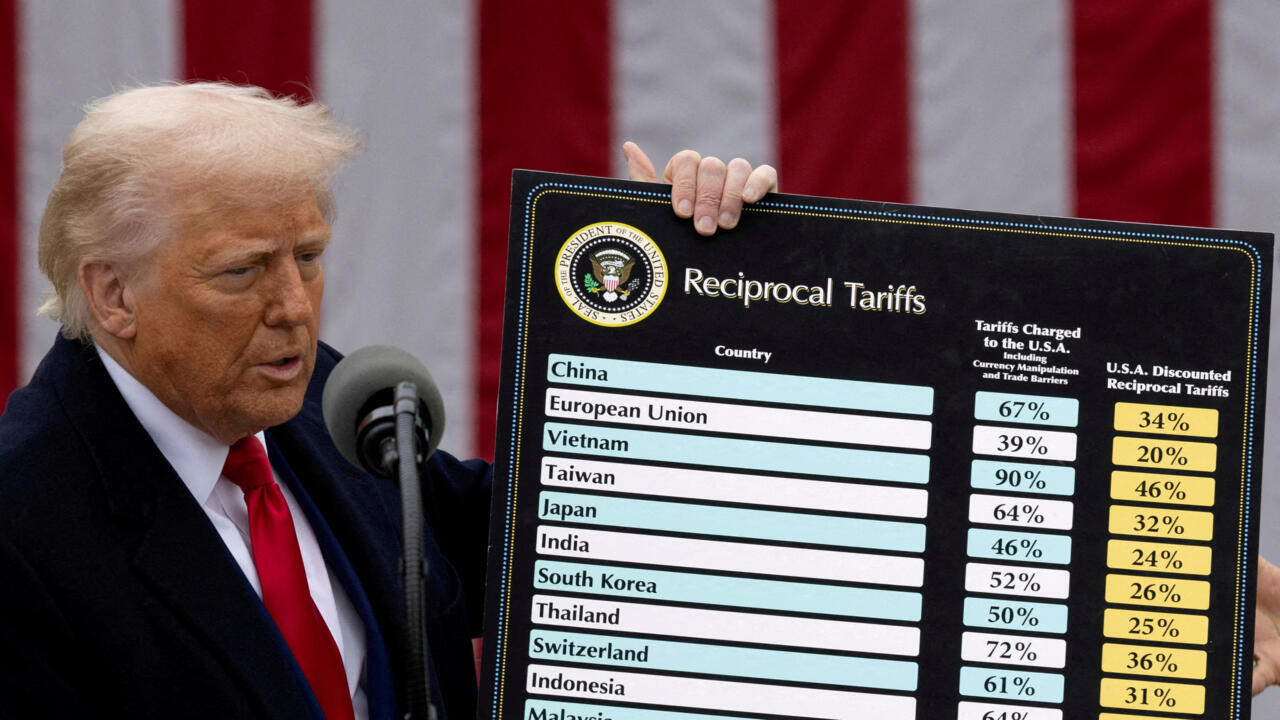
On 8 May 2026, the US Court of International Trade delivered a ruling that declared President Donald Trump's recent 10% temporary global duties unjustified under Section 122 of the Trade Act of 1974. Despite this finding of illegality, the court declined to issue a universal injunction, meaning the financial levies continue to apply to the vast majority of importers across the nation. The decision effectively creates a bifurcated legal reality where the tariffs stand for most businesses while remaining suspended only for a select group of plaintiffs.
The narrow scope of the blockage was determined by the court's assessment of standing, which restricted relief to those who had directly paid or were capable of paying the specific Section 122 duties. Consequently, the injunction applies exclusively to the toy manufacturer Basic Fun!, the spice importer Burlap & Barrel, and the State of Washington. The court explicitly rejected a request from a coalition of 24 states, ruling that the majority of those entities lacked the necessary standing to seek a universal suspension because they were not importers subject to the levy.
For the named plaintiffs, the ruling represents a significant institutional setback for the administration's trade strategy. Jay Foreman, chief executive of Basic Fun!, described the decision as a crucial win for American companies reliant on global manufacturing, noting that unlawful tariffs hinder competition and growth. The court's opinion, delivered in a 2-1 decision, echoed this sentiment, with one judge stating it was premature to grant victory to the plaintiffs despite the legal finding that the President's imposition of the tariffs was misguided.
The legal basis for the challenge centred on the premise that Section 122 was not an appropriate mechanism for the trade deficits cited by the President. The administration had argued that a serious balance-of-payments deficit existed, citing a $1.2 trillion annual goods trade deficit and a current account deficit of 4% of GDP. However, the court found that the statute was not suitable for the specific deficits referenced in the February order, a conclusion supported by economists who had previously questioned the validity of such a crisis.
While the ruling marks a procedural defeat for the administration, the practical impact on the broader economy is limited by the narrow scope of the injunction. The tariffs are expected to expire in July regardless of the appeal outcome, yet the Trump administration has indicated it intends to pursue a broader legal path. Officials plan to invoke Section 301 of the Trade Act of 1974, which covers unfair trade practices, to resurrect broad tariffs on major trading partners once the current Section 122 measures lapse.
Legal experts suggest that the immediate future will involve a protracted series of appeals and potential litigation from other importers seeking refunds. Dave Townsend of Dorsey & Whitney noted that the opinion will undoubtedly be appealed, setting the stage for further consideration by the US Court of Appeals for the Federal Circuit and potentially the Supreme Court. Meanwhile, other importers are likely to file lawsuits seeking broader remedies, though the timing of any refunds will depend on whether the government chooses to appeal or allows the tariffs to expire on 24 July.