US suspends $14bn Taiwan arms sale to prioritise munitions for Iran conflict
Washington halts largest proposed weapons transfer to the island while domestic opposition to the Iran war grows and diplomatic protocols are tested.
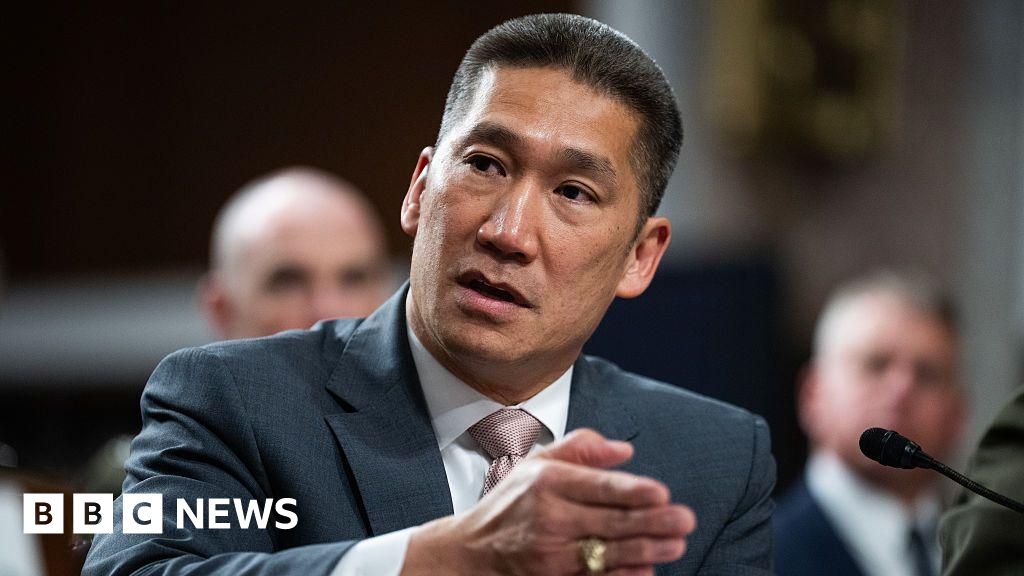
The United States has suspended a $14bn arms sale to Taiwan to conserve munitions for the ongoing conflict with Iran, specifically for the US-Israel joint military operation codenamed 'Epic Fury'. Acting Navy Secretary Hung Cao confirmed the pause during a Senate hearing on Thursday, stating that foreign military sales would resume when the administration deems necessary. The suspension affects the largest-ever proposed weapons transfer to the island, which was approved by Congress in January but remains pending final presidential sign-off.
Cao told the Senate Appropriations Committee that the decision was driven by operational requirements rather than a shift in long-term policy. "Right now we're doing a pause in order to make sure we have the munitions we need for Epic Fury," he said. When asked if he had consulted Taiwanese officials regarding the adjustment, Cao confirmed he had not spoken to them, noting that the US was simply ensuring it had "everything" needed for the current conflict. He added that the foreign military sales process would continue once the administration determined it was necessary.
President Donald Trump has withheld final approval of the package, describing it as a "negotiating chip" with China following recent talks with President Xi Jinping in Beijing. Trump told Fox News that he would make a determination "over the next fairly short period" and indicated he might speak directly to Taiwanese President Lai Ching-te about the sale. Such a direct conversation would break with decades of diplomatic tradition, as US and Taiwanese leaders have not spoken directly for years, although Trump previously spoke to Lai’s predecessor, Tsai Ing-wen, when he was president-elect.
The move comes amidst complex diplomatic signals, particularly as Trump discussed the arms sales "in great detail" with Xi during their summit. This approach contrasts with the 1982 US assurance to Taiwan, in which Washington pledged not to consult Beijing on arms sales. Beijing has historically lodged vehement opposition to such transfers; last December, China’s foreign ministry warned that US arms sales would "accelerate the push towards a dangerous and violent situation across the Taiwan Strait" after approving an $11bn package.
Domestic sentiment in the US is also influencing the policy landscape. A recent poll indicates that 60 percent of Americans oppose the war with Iran. While the United States and Iran agreed to a ceasefire on 8 April, a permanent peace deal has not yet been reached. Taiwan’s presidential office stated on Friday that it had not received official notification regarding the adjustment, while President Lai has emphasised that US arms sales remain a "key factor in maintaining regional peace and stability" as Taiwan ramps up its own defence spending.