US Supreme Court Upholds Trump Administration Policy on Green Card Holder Rights
The high court’s decision in the case of Muk Choi Lau marks a significant shift in due process protections for lawful permanent residents, drawing sharp dissent from liberal justices.
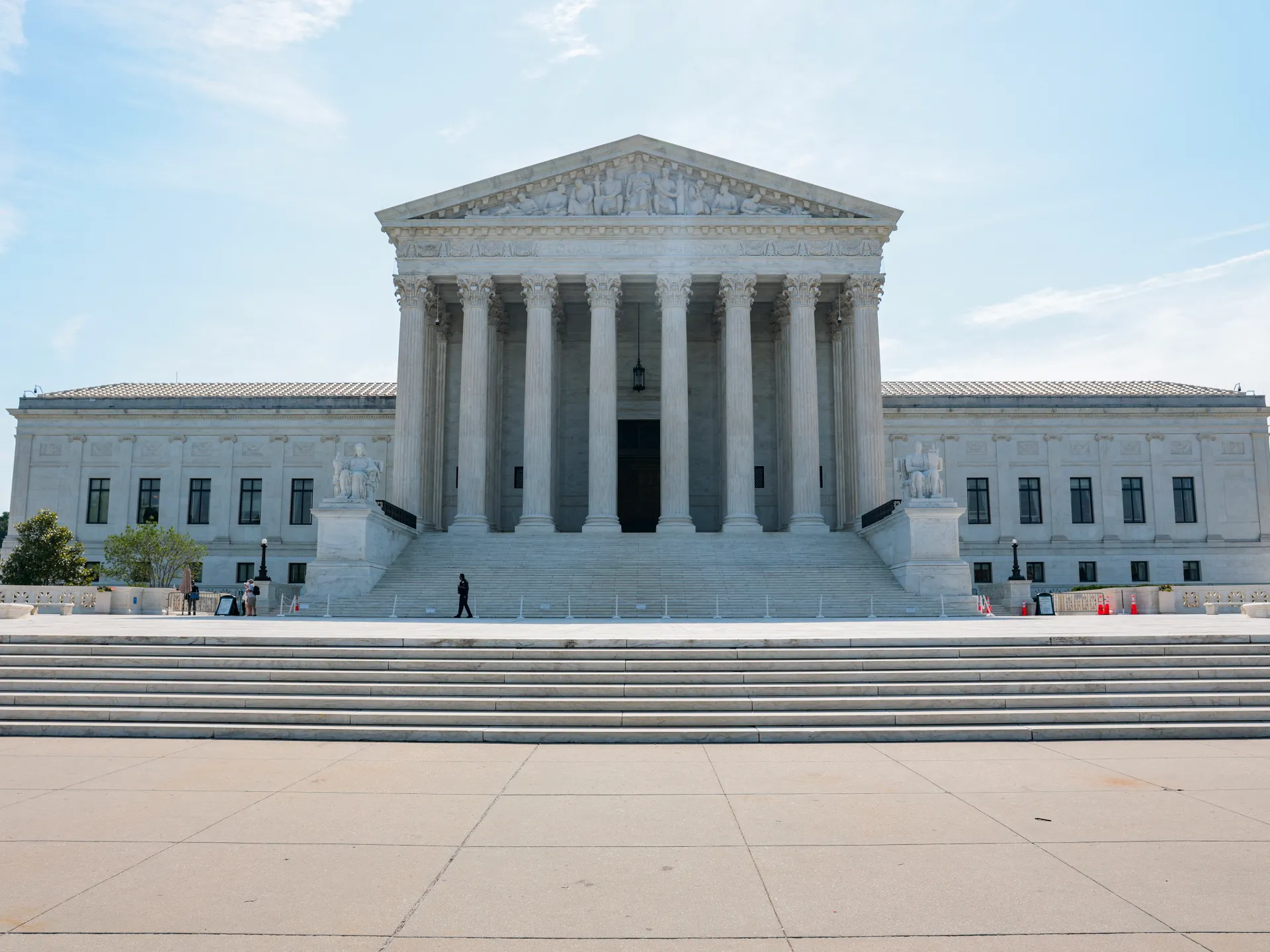
The United States Supreme Court has ruled 6-3 in favour of the Trump administration, determining that suspicion of criminal wrongdoing is sufficient grounds for border officers to place lawful permanent residents, commonly known as green card holders, on immigration parole upon reentry. The decision, delivered on Tuesday, represents a substantial expansion of executive power at the border and a notable setback for due process protections afforded to migrants with legal status.
The case centred on Muk Choi Lau, a lawful permanent resident who was detained in 2012 following accusations of selling counterfeit clothing. Lau had not been convicted of a crime at the time of his detention but was placed on immigration parole by a border officer upon returning to the United States from a trip to China. Lau argued that the agent had overstepped their authority, contending that the government required a higher standard of proof to strip him of his legal status.
In the majority opinion, Justice Clarence Thomas wrote that border officers did not have the burden to establish by clear and convincing evidence that Lau had committed a crime involving moral turpitude. The court’s conservative majority sided with the Trump administration, affirming that the allegation of criminal wrongdoing alone justified the placement on immigration parole. The administration had argued that such suspicion is a sufficient reason to strip green card holders of their legal status, part of a wider effort to expand the government’s deportation powers and roll back legal protections for migrants.
Justice Ketanji Brown Jackson dissented in the ruling, joined by the court’s two other liberal judges. Jackson warned that the decision weakens due process protections and leaves individuals in “immigration limbo” before they have been convicted of any crime. In her dissent, she expressed concern that the Court had handed the Government a “massive blank check,” potentially allowing for the detention of lawful residents based solely on unproven allegations.
The ruling underscores the Trump administration’s broader strategy to tighten immigration enforcement and limit the legal safeguards available to permanent residents. By lowering the evidentiary threshold for border officers, the decision allows for the detention of lawful residents based on suspicion rather than conviction, raising questions about the long-term implications for due process rights within the US immigration system.