US Supreme Court rules ISPs not liable for customer copyright infringement under DMCA
The high court's ruling in Cox Communications v. Sony Music Entertainment establishes that service providers cannot be held contributorily liable unless they intended the service to be used for infringement, a standard that has reshaped copyright litigation across the internet ecosystem.
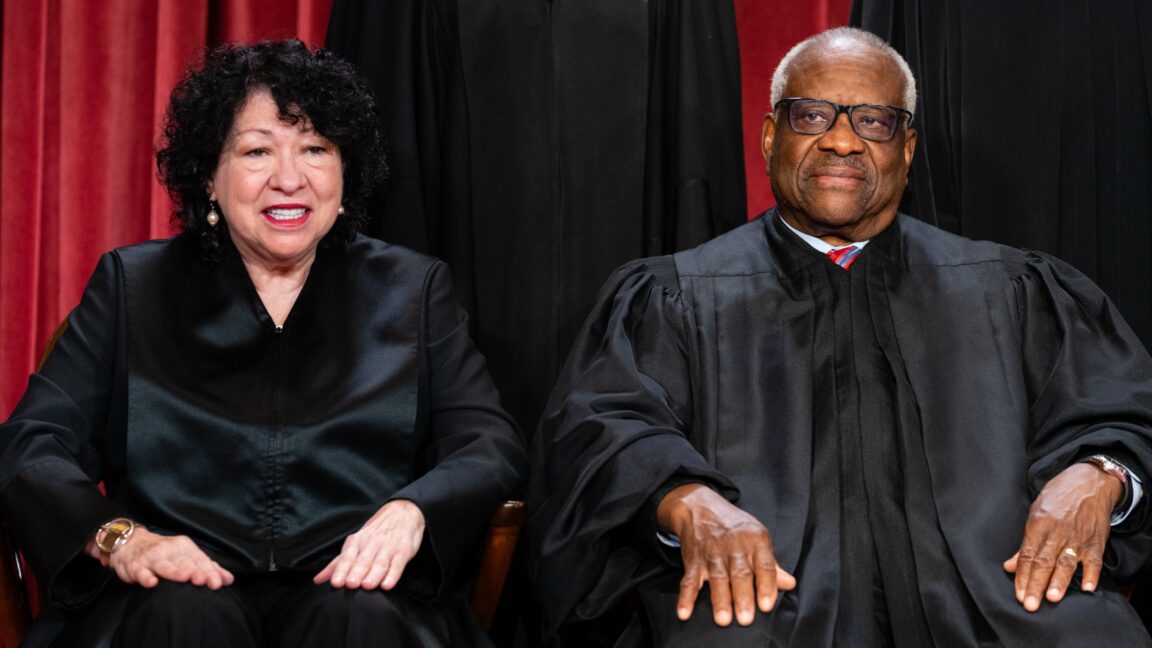
The US Supreme Court has unanimously ruled in Cox Communications v. Sony Music Entertainment that cable firm Cox is not liable under the Digital Millennium Copyright Act (DMCA) for copyright infringement committed by its customers. In a decision delivered on 25 March 2026, the Court held that a service provider cannot be held contributorily liable unless it specifically intended the service to be used for infringement, either by actively inducing such acts or by tailoring the service specifically for that purpose. This landmark judgment effectively overturns previous precedents regarding contributory liability and marks a significant shift in how digital platforms are held accountable for user misconduct.
The Court found that Cox is not liable for its customers' misdeeds because it did not induce them to infringe copyrights and did not tailor the broadband service so that it could be used for infringement. The decision clarifies that a provider must either induce infringement or tailor the service specifically for that purpose to face liability. Consequently, major record labels including Sony, Warner, and Universal have reacted to the ruling by dropping similar cases against other ISPs such as Verizon and Altice, acknowledging the diminished prospects of their claims under the new legal framework.
The impact of the Cox decision extends well beyond the broadband industry, with several non-ISP technology companies citing the ruling in their own copyright defences. Tech giants including Google, Meta, Nvidia, and X have filed briefs in lower courts arguing that the Supreme Court's reasoning applies broadly to all technology providers. For instance, Nvidia has referenced the case in a lawsuit alleging that its AI development platform was tailored to infringement, while X has argued that the ruling should dismiss contributory-infringement claims against its social network.
Legal experts note that the ruling establishes two specific paths to prove contributory infringement: first, that the product is deliberately designed to enable infringement with no other substantial use, or second, that there was affirmative and active encouragement or steps to promote infringement. Attorney Christopher Cariello, who defended Cox, argued that the opinion adopts a doctrinal framework rather than a narrow standard, suggesting it applies whenever a defendant is a technology provider and the direct infringer is a customer. He stated that culpable intent remains the touchstone for liability in these scenarios.
However, not all voices agree with the majority's approach. Justice Sonia Sotomayor filed a concurring opinion joined by Justice Ketanji Brown Jackson, arguing that the majority unnecessarily narrows secondary liability and risks making DMCA safe harbours meaningless. While they agreed that Cox lacked the requisite intent for liability, they contended that the decision dismantles the statutory incentive structure Congress created for ISPs to cooperate with copyright owners. The Trump administration had supported Cox's position, arguing that a Sony victory would have compelled ISPs to terminate subscribers after a single notice of alleged infringement.
Despite the clarity of the majority opinion, questions remain regarding its application to various sectors of the internet economy. Legal scholars suggest that lower courts may struggle to interpret whether the ruling applies to technology providers with detailed knowledge of user activity versus those with general knowledge. While the decision offers broad protection for platforms providing services capable of substantial non-infringing uses, it leaves some analytical gaps regarding what constitutes active encouragement or tailoring in complex digital environments.
