Ultrahuman Ring Pro challenges Oura dominance with hardware-first model and AI integration
Engadget reviews the $479 device, highlighting its dual-core chip, onboard machine learning, and physical firmware update mechanism as key differentiators in a saturated smart ring market.
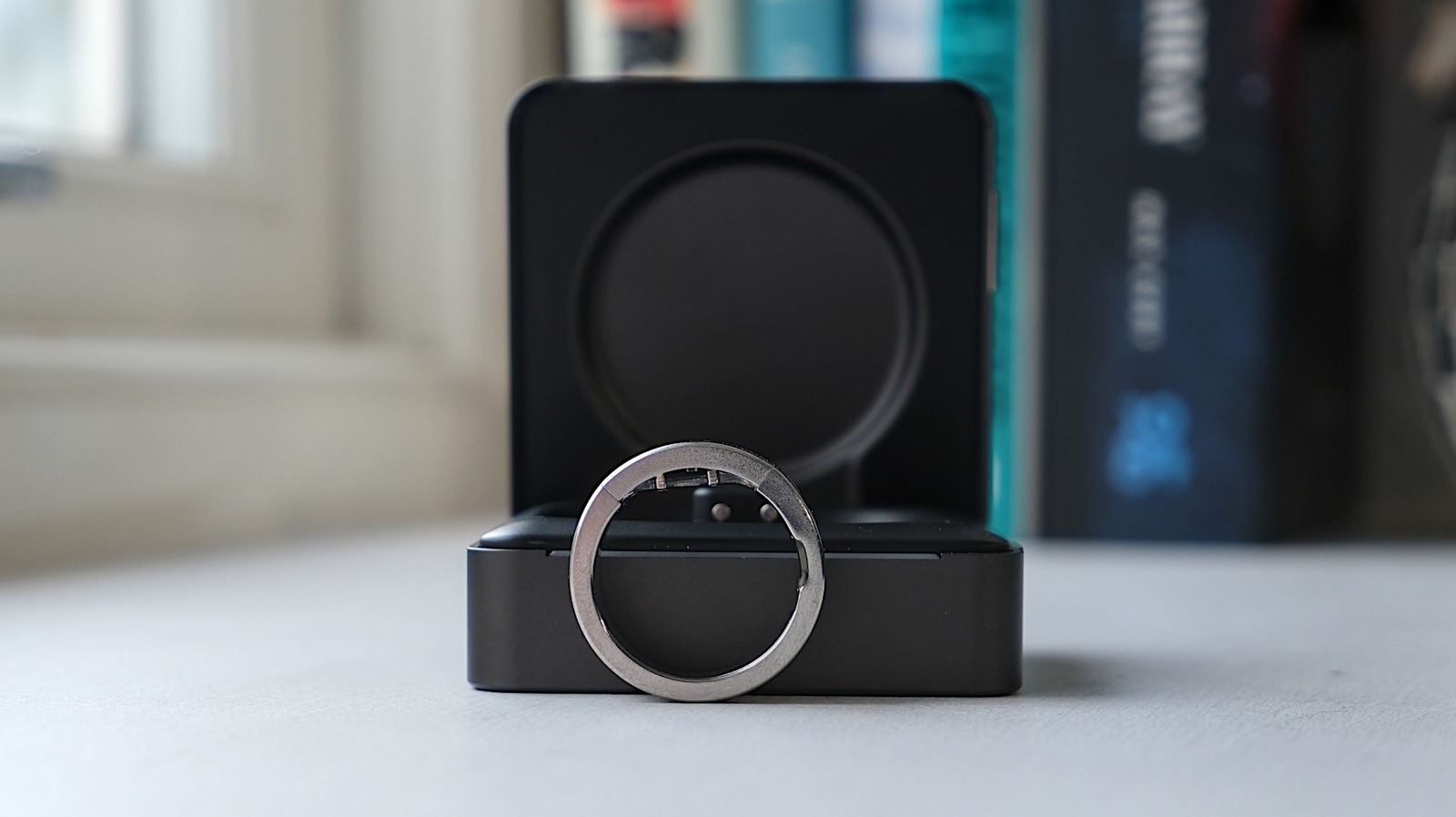
Ultrahuman has launched the Ring Pro, a titanium smart fitness tracker designed to directly challenge Oura’s position as the market leader. Priced at $479 AUD, the device ships on June 20 and represents a significant hardware overhaul following the removal of its predecessor, the Ring Air, from the US market due to patent infringement claims. The new model features a dual-core chip with onboard machine learning and 250 days of internal storage, a substantial upgrade from the previous generation’s single-core processor and four-day memory limit.
The hardware is clad in titanium throughout, except for the resin housing for the photoplethysmography (PPG) sensors, making it 0.25mm thicker than the Ring Air. While the form factor remains similar to competitors, with a thickness of just under 3mm, the device distinguishes itself through its charging ecosystem. The accompanying clamshell case offers a 45-day battery life, an LED charging indicator, and a physical pin connection for the ring. This wired approach is utilised to mitigate thermal issues associated with wireless charging and to reduce the risk of device "bricking" during firmware updates.
Ultrahuman’s business model diverges from the industry standard by eschewing mandatory monthly subscriptions. Instead, the Ring Pro requires a one-off hardware purchase, with advanced capabilities accessed through paid "Power Plugs." These add-ons include atrial fibrillation detection, menstrual cycle tracking, and custom training plans. The company has also introduced Jade, an AI assistant designed to analyse historical health trends stored on the device to provide deeper insights into metrics such as cardio age and heart rate variability.
In practical testing, the Ring Pro demonstrated a battery life of approximately 10 days in "Turbo Mode," outperforming the Oura Ring 4, which lasted seven days on a single charge. The device tracks temperature, movement, and PPG data, though activity detection has shown inconsistencies, such as missing prolonged periods of gardening. The accompanying app provides sleep scores and lifestyle recommendations, though users may find the requirement to manually confirm activity segments vexing.
The smart ring category faces inherent physical limitations, with Engadget noting that the industry is approaching the limits of what can be tracked within such a small form factor. Consequently, competition is shifting towards data processing, battery efficiency, and user experience. While the Oura Ring 4 remains the benchmark for elegance and software integration, Ultrahuman’s Ring Pro offers a compelling alternative for consumers seeking a hardware-focused device with robust offline data storage and a subscription-free entry point.
