Scientists warn El Niño will amplify climate extremes, but human warming is the primary driver
With wildfires already burning 50 per cent more area than the 25-year average, experts urge focus on the underlying crisis of global heating rather than temporary oceanic oscillations.
Forecasters predict that a developing El Niño will significantly amplify heatwaves, droughts, and floods this year, but scientists from World Weather Attribution and Imperial College London emphasise that human-induced climate change remains the primary driver of extreme weather intensity. While the warm phase of the tropical Pacific Ocean oscillation temporarily raises global surface temperatures by up to 0.3 degrees Fahrenheit, researchers warn that the consequences of such events are now far more damaging than in previous decades due to a substantially warmer baseline climate.
Fredi Otto, a climate science professor at Imperial College London and lead researcher with World Weather Attribution, stated that the combination of long-term global warming and El Niño creates a serious risk of unprecedented weather extremes. Otto noted that while El Niño conditions in 2015-2016 and 2023-2024 helped push Earth’s temperatures to new records, the planet will continue to hit record highs regardless of the cycle because of human-caused warming. In assessments of over 100 extreme climate events since 2014, World Weather Attribution consistently found that human-induced climate change has a much greater influence on the likelihood and intensity of these events than El Niño cycles.
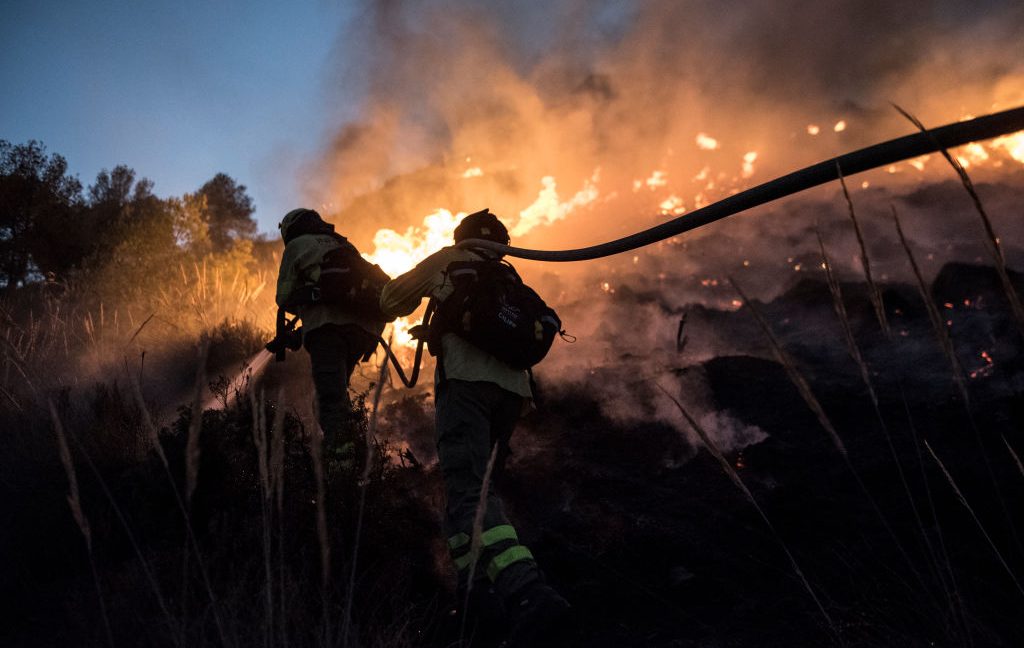
The immediate impacts are already visible in wildfire patterns across multiple continents. Theodore Keeping, a wildfire researcher at the University of Reading, reported that fires have scorched more than half a million square miles this year, an area the size of Alaska, which is 50 per cent more than the average over the past 25 years. Keeping highlighted a "whiplash" effect in wildfire-prone regions, where heavy rains promote rapid vegetation growth that dries out quickly when heat returns, creating combustible fuel. This dynamic has led to record-breaking wildfires in almost all countries in West Africa and the Sahel region, as well as significant fires in traditionally lusher East Asian nations including Myanmar, Thailand, and Laos.
Hotspots for severe wildfire conditions are expected in the Amazon, Canada, the western United States, and Australia. Jemilah Mahmood, director of the Sunway Centre for Planetary Health, described extreme heat as a "quiet" public health emergency, citing an estimated 546,000 annual global heat-related deaths. She argued that society has normalised this crisis by failing to treat it with the urgency afforded to named storms or visible floods, noting that the populations contributing least to the crisis often bear the highest health costs.
Despite the severity of the forecast, Otto cautioned against viewing El Niño as the sole cause for alarm, describing it as a temporary phenomenon that "comes and goes." She emphasised that climate change worsens continuously as long as fossil fuels are burned, making it the primary reason for concern. Otto concluded that a constructive response is within reach, citing existing knowledge and technology to significantly reduce reliance on fossil fuels and mitigate the long-term risks posed by a warming planet.
