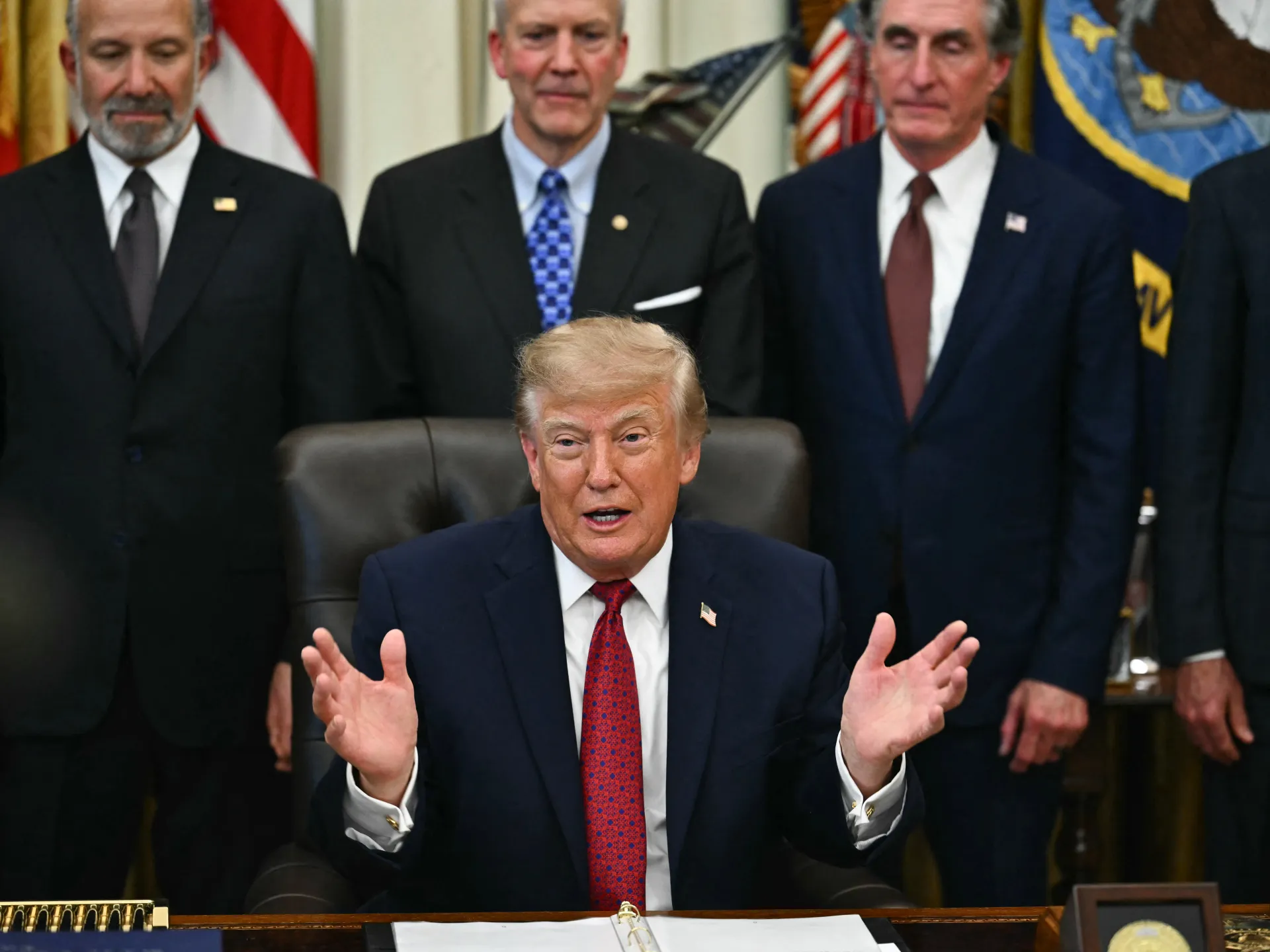
US Supreme Court reinstates Texas electoral map in 6-3 ruling
The decision, backed by President Donald Trump, could shift up to five Democratic-held House seats to Republicans, sparking condemnation from civil rights advocates and igniting similar redistricting efforts in Florida and Virginia.
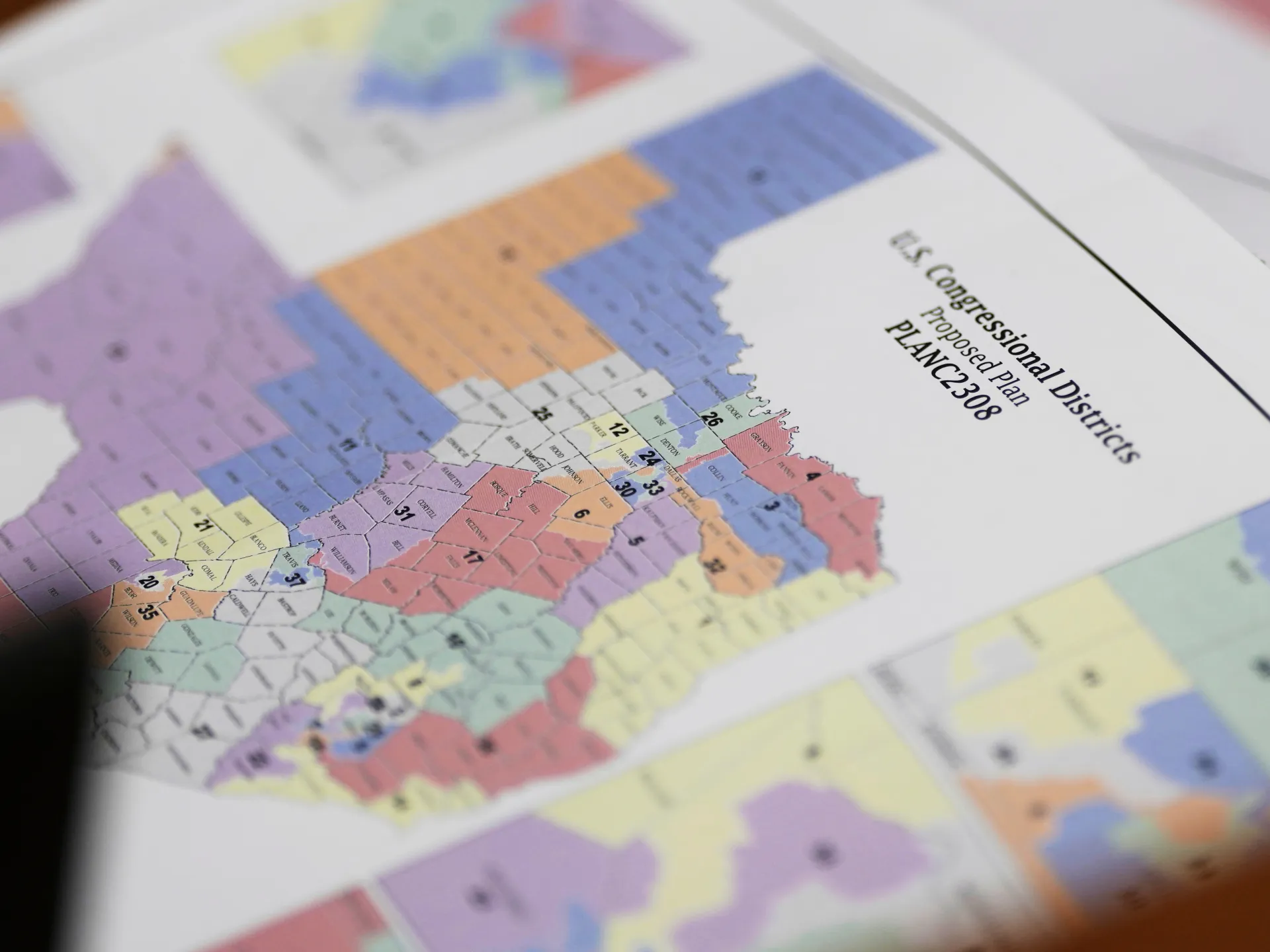
The US Supreme Court has reinstated a redrawn Texas congressional map, a move supported by President Donald Trump that could flip up to five Democratic-held House seats to Republicans in the 2026 midterm elections. The ruling, decided by a 6-3 conservative majority, overturns a lower court decision that had blocked the map due to alleged racial discrimination.
The map, approved by the Republican-led Texas legislature in August 2025 and signed by Governor Greg Abbott, was sought by the President to strengthen Republican representation ahead of the November elections. The Supreme Court's decision marks a significant step in a nationwide redistricting battle initiated by Trump, with similar proposals now emerging in Florida and Virginia.
Civil rights advocates condemned the decision as an intentional effort to limit the political influence of racial minorities. Damon Hewitt, president and executive director of the Lawyers' Committee for Civil Rights Under Law, described the outcome as a rigged map designed to suppress the power of voters of colour in a state with a long history of such practices.
The redistricting strategy extends beyond Texas, where President Trump has urged Republican lawmakers to redraw congressional maps nationwide to secure party control. In Florida, Governor Ron DeSantis has proposed a new map aimed at flipping four Democratic-held seats, though legislative support remains unclear as the proposal faces potential legal hurdles.
In Virginia, voters recently approved a Democratic-backed map targeting Republican incumbents, which is currently facing multiple lawsuits and court arguments. These states represent the likely final battlegrounds in the redistricting war that the Trump administration initiated following his return to office in January 2025.
While the Texas ruling is now in effect, the extent of the seat flips may vary, with estimates currently standing at up to five. The outcome underscores the ongoing institutional struggle over governance and representation as the nation approaches the 2026 midterms.