US Supreme Court Provisionally Authorises Lifting of TPS for Venezuelans, Leaving 600,000 in Legal Limbo
The decision leaves nearly 600,000 individuals without the legal protections that previously permitted them to work and reside in the United States, prompting reports from Florida regarding the scale of the uncertainty.
In 2025, the US Supreme Court provisionally authorised the Trump administration to lift Temporary Protected Status (TPS) for hundreds of thousands of Venezuelans residing in the United States. This legal designation had previously permitted these individuals to work legally and remain in the country on the grounds that returning to Venezuela posed significant dangers.
The provisional authorisation marks a pivotal moment in the administration's approach to immigration policy, effectively revoking the protections that had allowed a vast community to stay. Approximately 600,000 individuals now find themselves living in a state of profound legal uncertainty, stripped of the status that defined their residency for years.
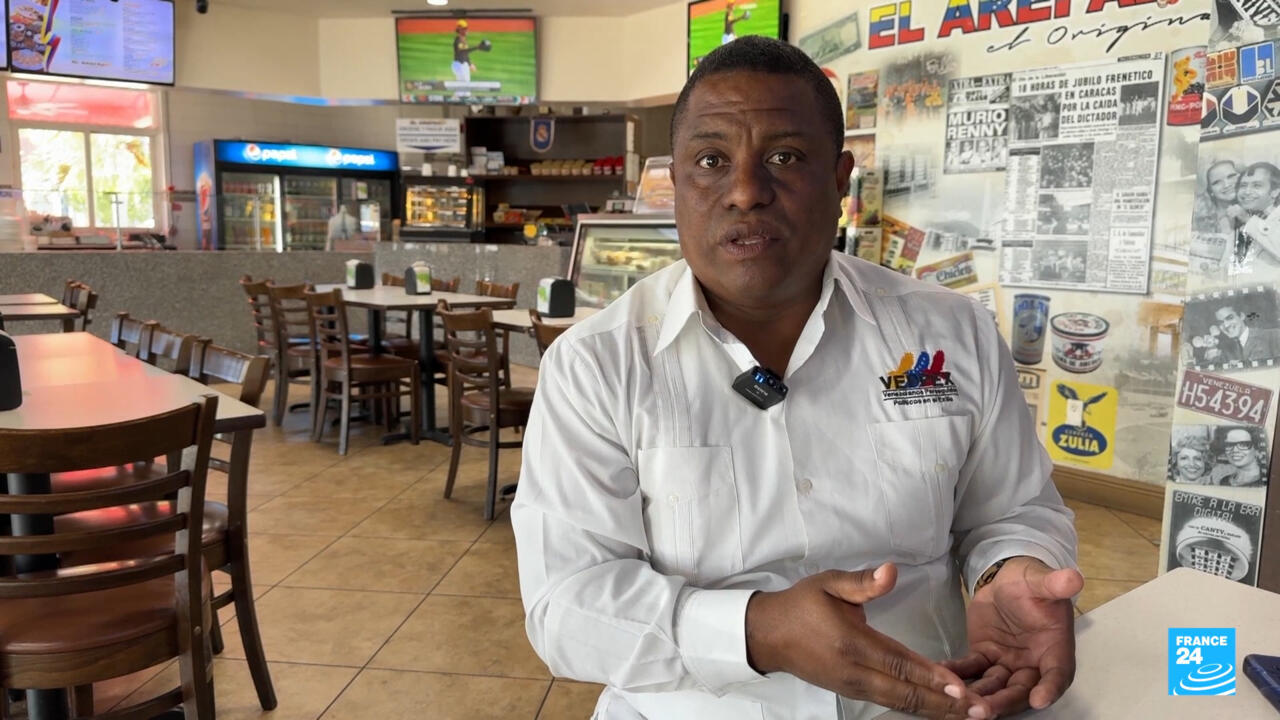
Reports originating from Florida indicate a significant concentration of affected individuals in that region, highlighting the geographic impact of the ruling. The loss of TPS means these nationals no longer hold the specific legal right to work or remain in the US under the previous framework, altering their daily lives and future prospects.
Temporary Protected Status is a designation that allows nationals of countries facing extraordinary conditions, such as armed conflict or environmental disasters, to live and work in the US temporarily. The status was originally granted to Venezuelans because the conditions in their home country rendered return unsafe, a rationale that now faces judicial re-evaluation.
The Supreme Court's authorisation is described as provisional, suggesting the final legal outcome regarding the lifting of TPS may still be subject to further judicial review or appeals. This procedural nuance indicates that while the immediate effect is the removal of protections, the ultimate resolution of the case remains pending as lower courts review the merits of the challenge.
The exact number of individuals affected is estimated at nearly 600,000, a figure that may fluctuate based on updated demographic data or subsequent legal rulings. Until the provisional order is resolved, the long-term legal status of these individuals remains undefined, leaving a large segment of the population in a precarious position within the US legal system.