UK Green Party pivots to eco-populism in bid to capitalise on Labour disillusionment
The Greens aim to contest up to eight London councils, leveraging voter frustration with Keir Starmer's government while navigating internal controversies over social media conduct
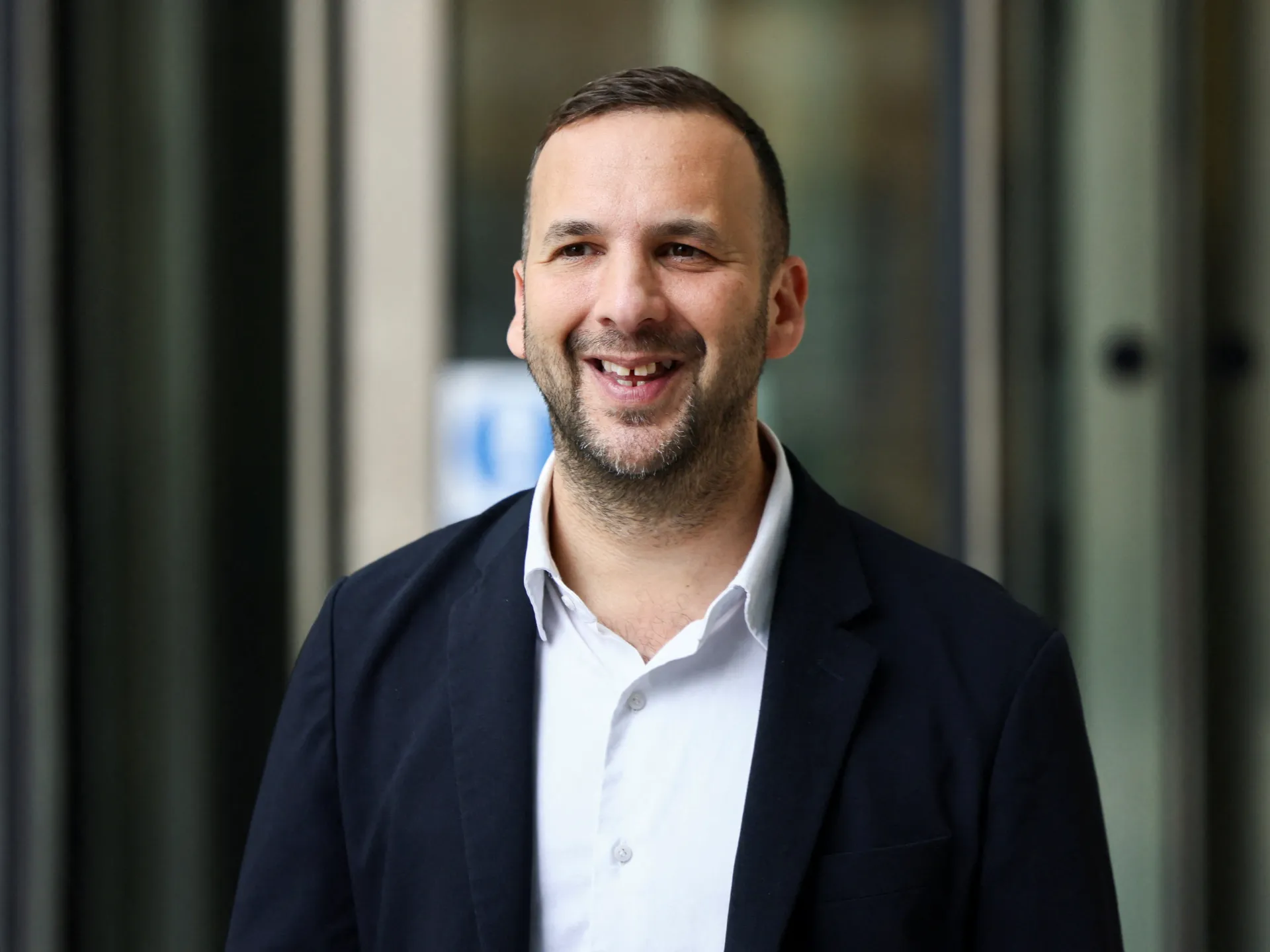
The United Kingdom's Green Party is positioning itself as a primary alternative to Prime Minister Keir Starmer's Labour government in the upcoming local elections, capitalising on widespread voter dissatisfaction with the current administration. Under the leadership of Zack Polanski, the party has rebranded its platform around a concept of "eco-populism," seeking to unite environmental concerns with left-liberal economic policies to appeal to a broader demographic beyond its traditional base.
This strategic pivot sees the party expanding its agenda significantly beyond core environmental missions to include socialist measures such as a wealth tax on billionaires, stronger workers' rights regarding unfair dismissal, and a £15 minimum wage. Tim Bale, a professor of politics at Queen Mary University of London, notes that this shift has made the Greens "far more left-liberal and pro-Gaza focused," a transformation driven partly by Polanski's considerable communication skills and the ongoing geopolitical tensions in Gaza.
Polling data from YouGov suggests the party could achieve significant electoral success in the capital, potentially finishing first in as many as eight of London's 32 councils. This surge in support comes as the Labour Party, historically associated with the working class, faces disillusionment among its 2024 voter coalition due to the Starmer government's hardline rhetoric on immigration. The Green Party aims to consolidate its position as a viable alternative for younger generations and those frustrated by the status quo.
Polanski, who was elected leader in September 2025 with a landslide victory of 20,411 votes, presents himself as a progressive figure reminiscent of New York's Zohran Mamdani. Before entering politics, the 43-year-old worked as a hypnotherapist and mental health counsellor, having changed his name from David Paulden at age 18 to recognise his Jewish heritage. His political career began with the Liberal Democrats before he joined the Greens in 2016, eventually becoming a London Assembly member and deputy leader before his recent election as head of the party.
Despite the optimistic polling, the party faces substantial headwinds regarding accusations of anti-Semitism linked to social media posts by various candidates. Recent controversies have impacted the party's standing, including an incident where Polanski apologised for sharing an inaccurate post concerning a police intervention after two Jewish men were stabbed in Golders Green. While Polanski has publicly condemned such behaviour, other candidates have faced severe criticism for posts describing Israel in hostile terms and sharing content that could be interpreted as promoting hate.
The upcoming local elections involve over 5,000 council seats across 136 local authorities, presenting a critical test for the Greens. While experts suggest the party will win numerous councillors from Labour, particularly in multicultural inner-city areas, the combination of a contested definition of populism and active controversies regarding anti-Semitism poses a significant risk to their electoral outcomes and public perception.