US support for Iran conflict hits record low as fuel costs strain public sentiment
A Reuters/Ipsos poll reveals that backing for military action in Iran has fallen to 31 per cent, coinciding with President Donald Trump’s approval rating reaching a historic low of 33 per cent.
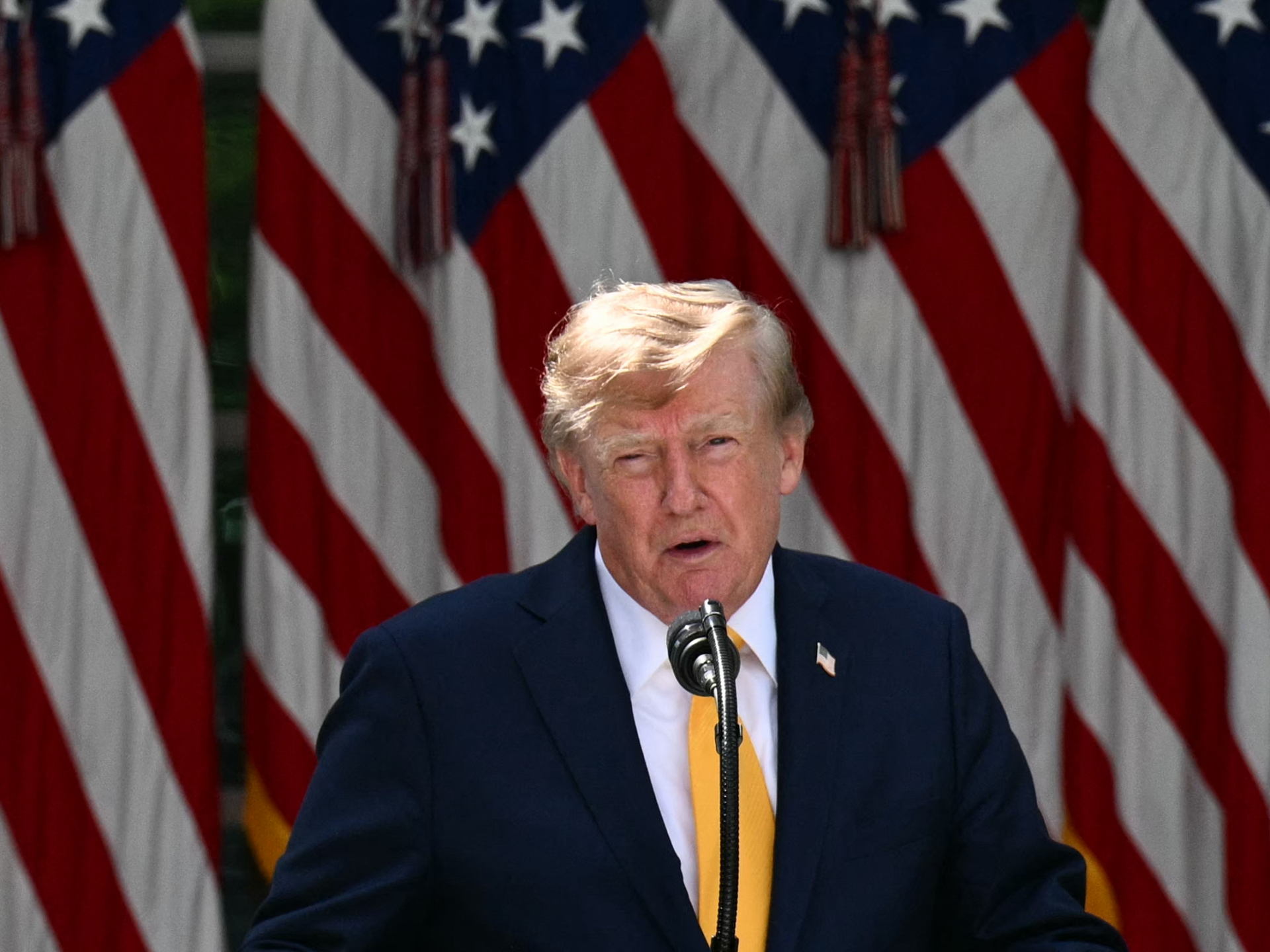
Public support for the United States’ military campaign against Iran has declined to its lowest level since the conflict began, according to a new Reuters/Ipsos poll released on Monday. The survey indicates that only 31 per cent of Americans currently back the military action, a decrease from 37 per cent in March and 34 per cent earlier this month. This downward trend is attributed to a combination of eroding support within the Republican base, rising fuel costs, and growing anxiety over the duration of the war.
The shift in public opinion is particularly evident among Republican respondents, whose support for the conflict has dropped to 69 per cent, down from 77 per cent in March. Concurrently, President Donald Trump’s approval rating has fallen to 33 per cent, marking the lowest point recorded in the polling series across both his first and second terms. For the second consecutive survey, the president’s standing has remained at this historic low, suggesting that the economic and political costs of the war are increasingly weighing on his domestic standing.
The conflict, which commenced on 28 February with joint US and Israeli attacks on Iran, has had significant economic repercussions. Iran has maintained a de facto blockade of regional oil exports, contributing to US petrol prices rising to near record highs. Six months into the conflict, fuel prices are more than $1 per gallon higher than pre-war levels. This economic pressure is particularly acute ahead of November’s midterm elections, where Republicans are defending narrow congressional majorities.
In response to the economic fallout, the Trump administration has intensified its pressure on Tehran. Treasury Secretary Scott Bessent announced “Operation Economic Outcast” on Monday, a campaign designed to target all of Iran’s revenue sources, including oil. The initiative aims to prevent other nations and companies from doing business with Iran, thereby isolating the country’s economy. However, the long-term impact of these measures on global markets and US consumers remains to be seen.
A growing majority of Americans anticipate that the conflict will continue for an extended period. Eighty-three per cent of respondents in the poll believe the war will last for a long time, up from 80 per cent earlier this month. This expectation of a protracted conflict presents a challenge for the administration, which campaigned in 2024 on an “America First” strategy that promised to avoid foreign military engagements and bring down inflation.
The poll also highlights shifting allegiances among independent voters. When asked which party they would support in a congressional election held today, 33 per cent of independents said they would vote for a Democrat, compared with 19 per cent who chose a Republican. The Reuters/Ipsos survey questioned 1,215 adults across the United States over four days, with a margin of error of three percentage points.