US submits Saudi nuclear pact to Congress amid regional tensions
President Donald Trump links the viability of the deal to Saudi-Israeli relations and explicitly rules out nuclear enrichment capabilities, as Washington navigates heightened security concerns in the Middle East.
The United States Department of Energy has confirmed that a civilian nuclear cooperation agreement with Saudi Arabia, signed on Wednesday, will be submitted to Congress for review. The filing marks a significant step in the diplomatic and energy relationship between the two nations, moving the pact from executive action to legislative scrutiny.
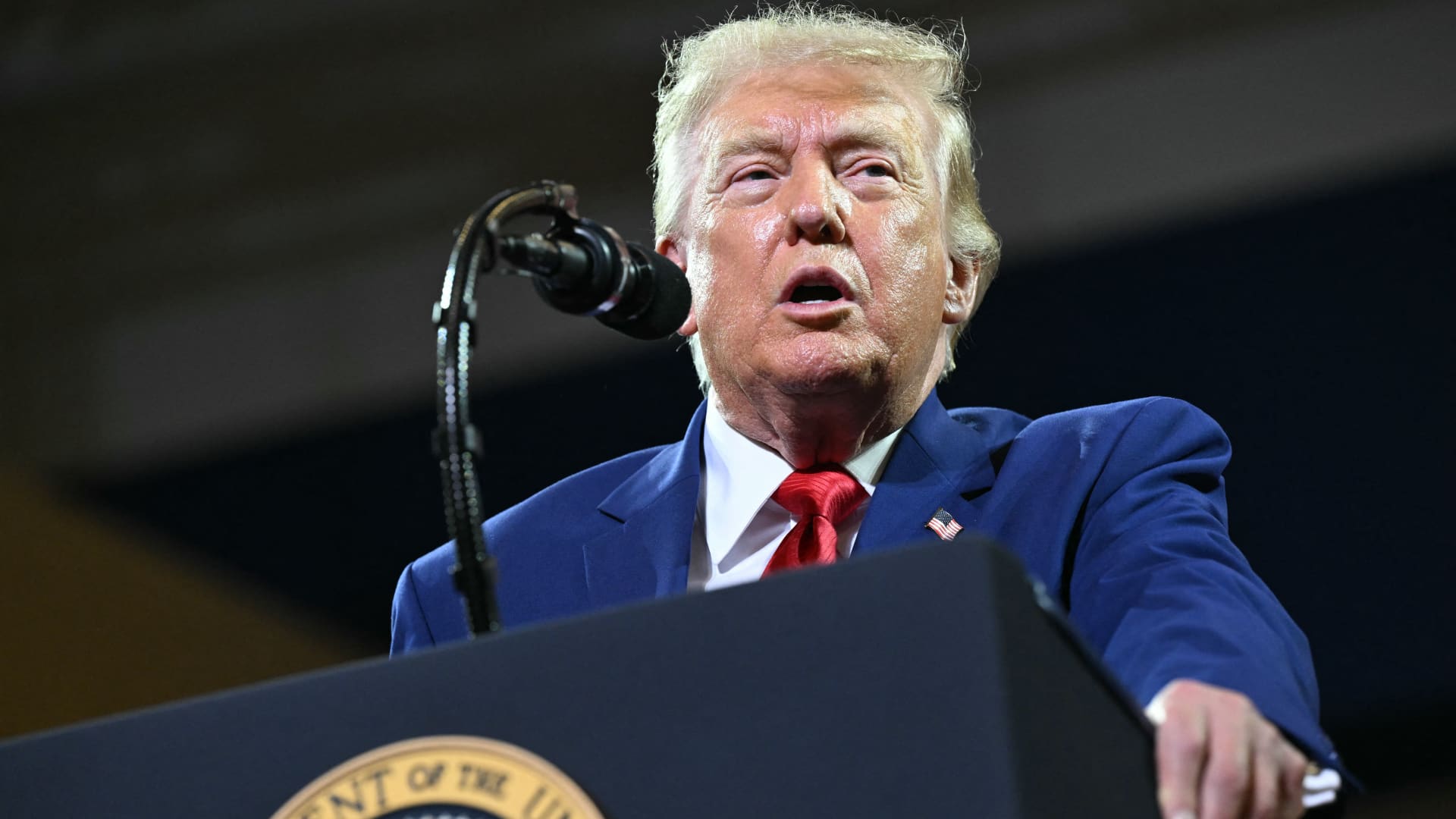
President Donald Trump indicated that the agreement is contingent on Saudi Arabia’s relations with Israel. In remarks reported by CNBC, the President stated that the deal does not include provisions for nuclear enrichment, a key distinction in the scope of the civilian nuclear cooperation framework.
The announcement comes against a backdrop of heightened regional instability. On Monday night, a US Army AH-64 Apache helicopter was reportedly shot down over the Strait of Hormuz by Iran. President Trump issued a statement on Tuesday accusing Iran of the downing and vowing a necessary response to the incident.
Prior to these developments, President Trump met with Chinese President Xi Jinping in Beijing. Discussions during that meeting covered trade, artificial intelligence, and security in the Strait of Hormuz, reflecting the broader geopolitical stakes involved in the region’s stability.
The submission to Congress places the nuclear deal under the watch of lawmakers as they evaluate its implications for non-proliferation and regional security. The Department of Energy’s confirmation that the agreement is civilian in nature and excludes enrichment aligns with the President’s stated conditions for the pact’s viability.