US strikes on commercial vessels in Hormuz trigger diplomatic crisis with India
New Delhi summons US envoy amid escalating tensions ahead of Trump-Modi G7 summit, while maritime experts question legality of lethal force against non-combatant ships
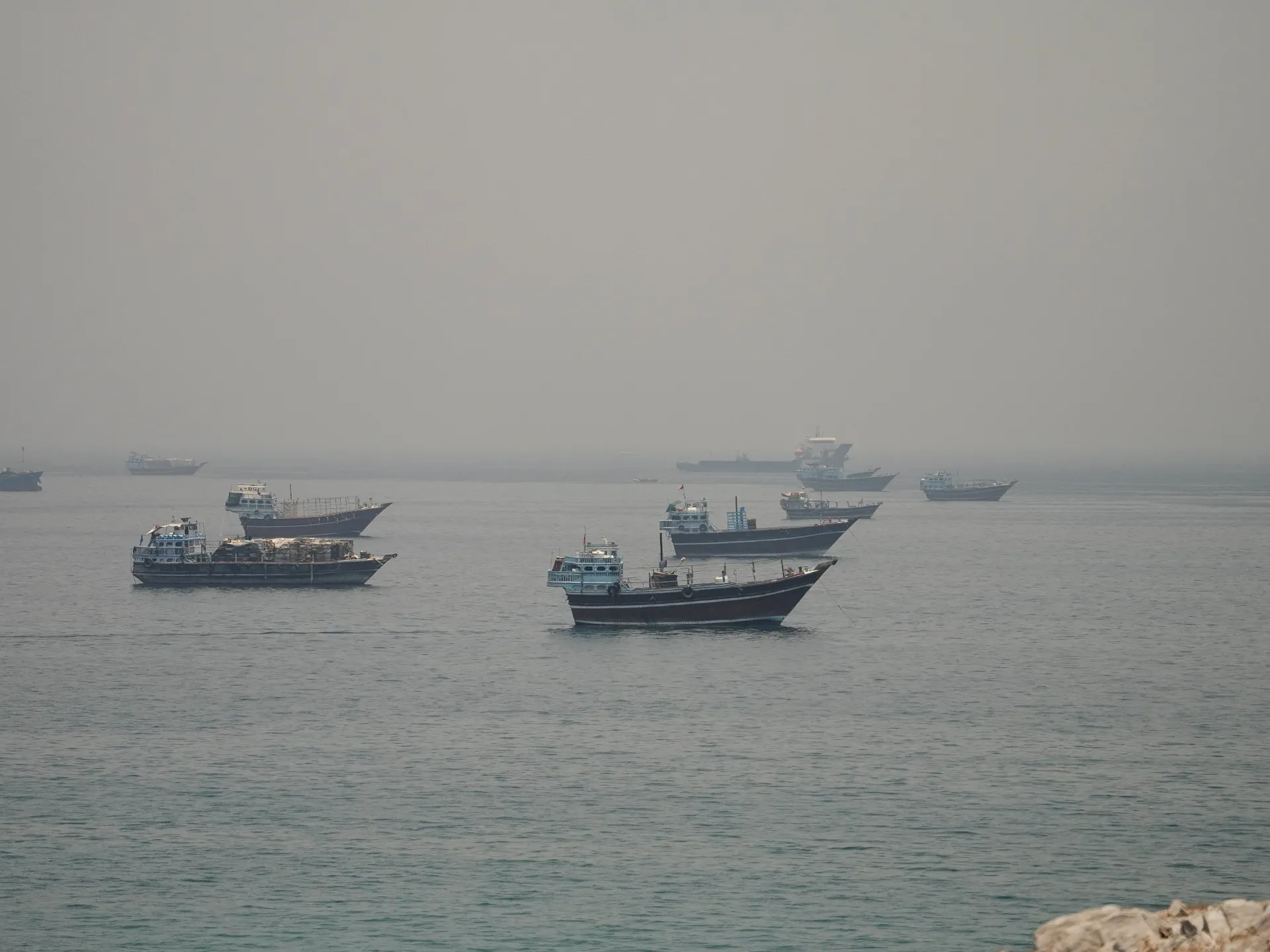
The United States military has struck three commercial vessels in the Strait of Hormuz and the Gulf of Oman this week, resulting in the deaths of three Indian sailors and sparking a significant diplomatic rift between Washington and New Delhi. The incidents occurred as US forces enforced a naval blockade of Iranian ports, with US Central Command (CENTCOM) asserting that the targeted ships violated the blockade by attempting to transport Iranian oil. The attacks have intensified tensions between the two nations just days before a scheduled meeting between US President Donald Trump and Indian Prime Minister Narendra Modi at the G7 summit in France.
Indian authorities summoned Jason Meeks, the US Embassy’s deputy chief of mission in New Delhi, to demand an explanation and convey deep concern over the strikes on Palau-flagged ships. The first incident occurred on Monday when an F-18 Super Hornet from the USS Abraham Lincoln fired a precision munition into the engineering and steering spaces of the Palau-flagged Marivex, causing a fire and sinking the vessel. All 24 Indian crew members were rescued by Omani forces. On Tuesday, US forces struck the Palau-flagged Settebello, killing three Indian sailors, while the remaining 21 crew members were rescued. CENTCOM stated the vessel had violated the blockade.
On Thursday, CENTCOM reported disabling a third tanker, the MT Jalveer, off Shinas port in Oman, claiming it violated the blockade by attempting to transport Iranian oil. The vessel carried 20 Indian crew members. Manoj Yadav, general secretary of the Forward Seamen’s Union of India, stated that the attacks indicate Indian seafarers are being specifically targeted. He argued that the US military used missiles rather than attempting to board or disable the ships non-lethally, noting that the vessels were commercial ships rather than warships.
The strikes have drawn condemnation from international bodies and regional actors. Esmail Baghaei, spokesperson for Iran’s foreign ministry, condemned the attacks as "brutal" and evidence of "armed robbery and State piracy." Arsenio Dominguez, Secretary General of the International Maritime Organization (IMO), strongly condemned any act endangering the lives of seafarers and international shipping. Indian Foreign Ministry spokesperson Randhir Jaiswal called for the attacks to cease, urging dialogue and diplomacy to restore peace and stability in the region.
Legal experts suggest the US actions may face scrutiny under international law. Jason Chuah, a professor of maritime law at City St George’s, University of London, noted that targeting neutral ships flying non-belligerent flags could provoke serious diplomatic headaches. While the US blockade might be considered lawful under the law of war, Chuah argued that firing on a tanker and killing the crew goes far beyond what is proportionate. He added that while capture and destruction might be permissible under narrow circumstances, justifying the killing of civilian merchant seafarers with knowledge and intent remains difficult to reconcile with international humanitarian law.