US strikes Iranian targets as peace talks begin, yet oil prices fall below $100
United States Central Command confirms 'self-defence' strikes on missile sites and vessels, threatening the fragile ceasefire established in April. Despite the military action, global energy markets react to hopes of a diplomatic resolution.
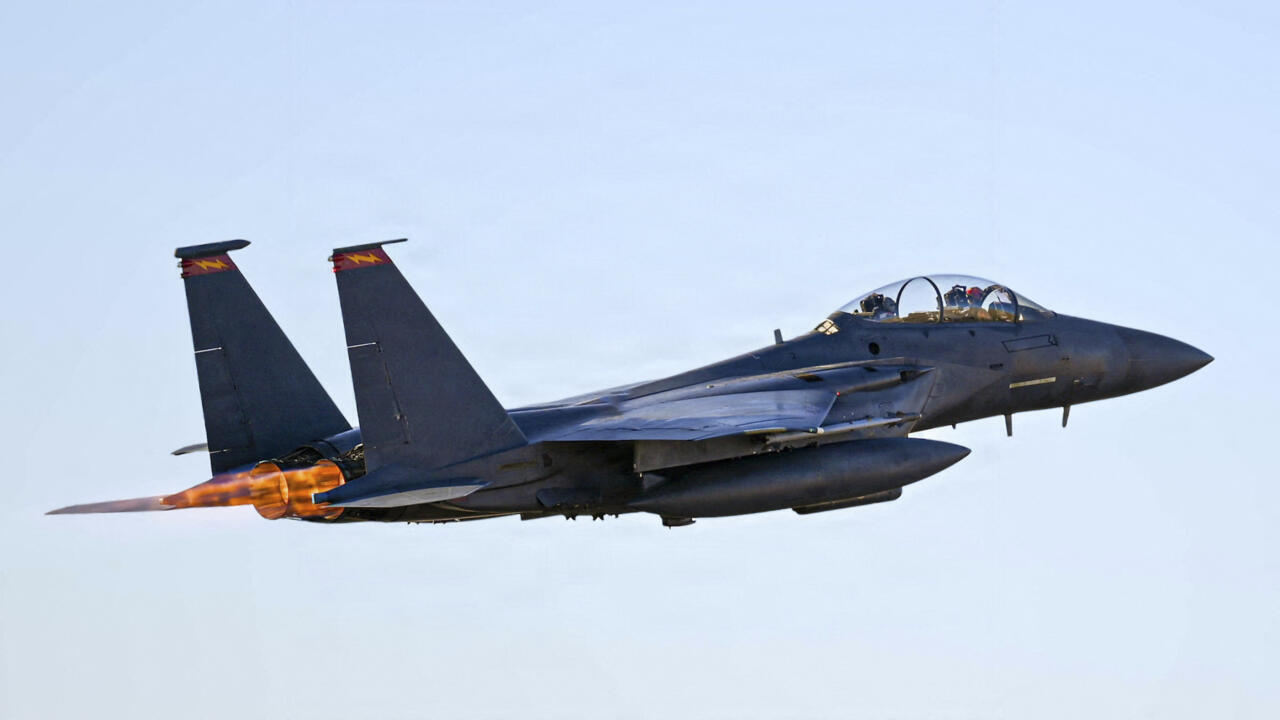
United States forces conducted strikes on missile sites and vessels in southern Iran on Monday, citing self-defence against threats from Iranian forces, according to United States Central Command. The attacks targeted boats allegedly attempting to lay naval mines and missile launch sites, occurring as Iranian negotiators arrived in Doha for high-stakes talks aimed at ending the three-month-long conflict. The military action threatens a fragile ceasefire that began on 8 April 2026.
United States Central Command spokesman Tim Hawkins stated the strikes were conducted to protect US troops from threats posed by Iranian forces, though no specific details on casualties or damage were provided. The command confirmed that targets included missile launch sites and boats trying to "emplace mines," marking a significant escalation just as diplomatic channels were being activated in Qatar.
Despite the fresh military action, oil prices fell below US$100 a barrel on Tuesday, with West Texas Intermediate (WTI) down 5.46% to US$91.33 a barrel. Brent crude rose 1.6% to US$97.68 a barrel. Investors are pricing in optimism regarding a potential deal to reopen the Strait of Hormuz, which has been disrupted for three months, easing pressure on global energy flows and inflation concerns.
Charu Chanana, chief investment strategist at Saxo in Singapore, noted that markets are right to price some optimism because even a path toward reopening Hormuz lowers the extreme tail risk around oil, inflation and global growth. This sentiment helped push oil below $100 on Monday, following signs that Washington and Tehran were edging closer to a deal, despite low odds of an imminent agreement.
Financial markets also saw movement in currency exchanges, with the US dollar nursing losses against a basket of currencies, trading at 99.031. The euro traded at US$1.16365 and the Japanese yen fetched 158.95 per US dollar. US markets were closed on Monday for a holiday, limiting immediate trading reactions to the military developments.
Simultaneously, US President Donald Trump is in Beijing for a two-day summit with Chinese President Xi Jinping, the first such visit since 2017. The agenda for the meeting covers trade, artificial intelligence, and Strait of Hormuz tensions, reflecting the interconnected nature of global markets and security concerns as world leaders navigate the escalating geopolitical landscape.