Housing shortage and sniper fire force Yemenis to live on front lines in Taiz
A United Nations monitoring project recorded that 66 percent of civilian sniper casualties in Yemen last year occurred in Taiz, yet soaring rents in safer areas compel residents to stay near active front lines.
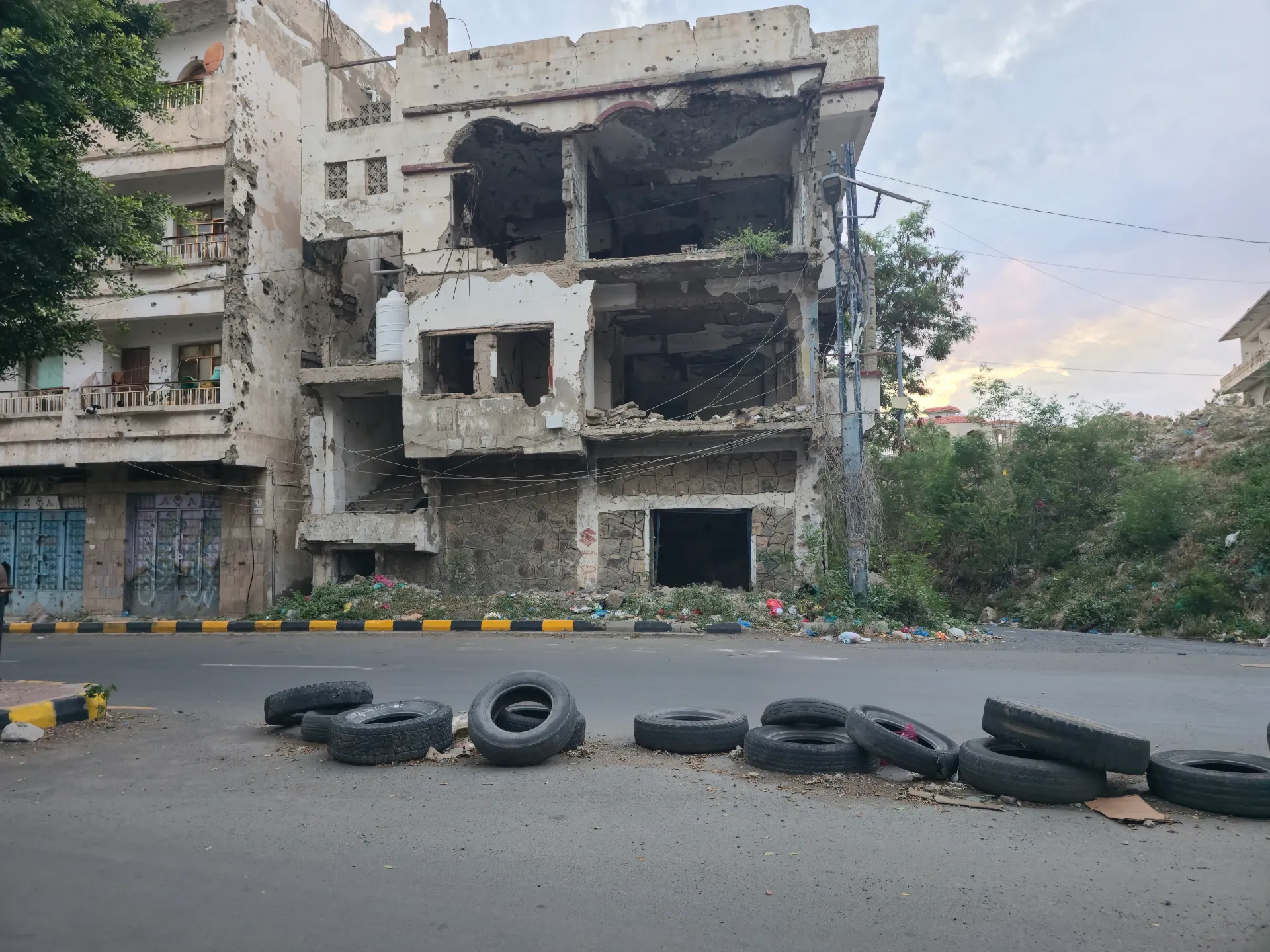
A severe housing crisis in Taiz, Yemen, is compelling families to reside near active front lines between government forces and Houthi rebels due to unaffordable rents in safer areas. With more than 10,000 houses in the governorate completely or partially damaged by conflict, economic hardship and a lack of viable housing options leave many residents with no alternative but to remain in these high-risk urban zones.
Um Yousef, a single mother of four, moved her family to a front-line area in Taiz in January 2025 after failing to find affordable housing elsewhere. She pays approximately $13 a month for a home, compared to the typical market rate of $130 for a three-bedroom house. Her husband died years ago while working abroad, leaving her as the sole breadwinner in a country where poverty has increased sharply since the war began more than a decade ago.
In March 2025, Um Yousef’s 11-year-old son was shot while playing outside; he was treated at a hospital and discharged the next day, though the exact cause of the shooting remains unknown. A United Nations monitoring project recorded that 66 percent of civilian sniper casualties in Yemen last year occurred in Taiz. Of the 21 cases recorded, nine were children. The city’s hilly geography and mountainous terrain offer numerous vantage points for snipers, making the urban front line particularly dangerous.
Khalid Alwan, director of the local statistics office in Taiz, stated that more than 10,000 houses in the governorate were completely or partially damaged by the conflict, with many more uncounted. He noted that reconstruction is expensive and most residents cannot afford to repair their homes even if they are in safe areas. The Nahda Makers Organisation (NMO) has repaired 2,389 houses across several Yemeni governorates, with the vast majority located in Taiz, though this effort is described as insufficient given the scale of need.
Mohammed Saeed, an unemployed resident of the al-Thawrah neighbourhood, lives in a house for free in exchange for guarding it, citing soaring rents as a primary consequence of the war. Khalid Abdulhadi, an accountant who owns a home in the al-Kamb neighbourhood, continues to pay rent elsewhere because returning to his property near the front line is deemed too dangerous. He has allowed a family he knows to live in his house free of charge, knowing that they are impoverished and willing to guard the property.