US strikes Iranian targets as ceasefire talks enter critical phase
United States Central Command confirms 'self-defence' strikes on missile sites and vessels, threatening the fragile truce that began in April, while oil prices fall below US$100 a barrel on hopes of a diplomatic resolution.
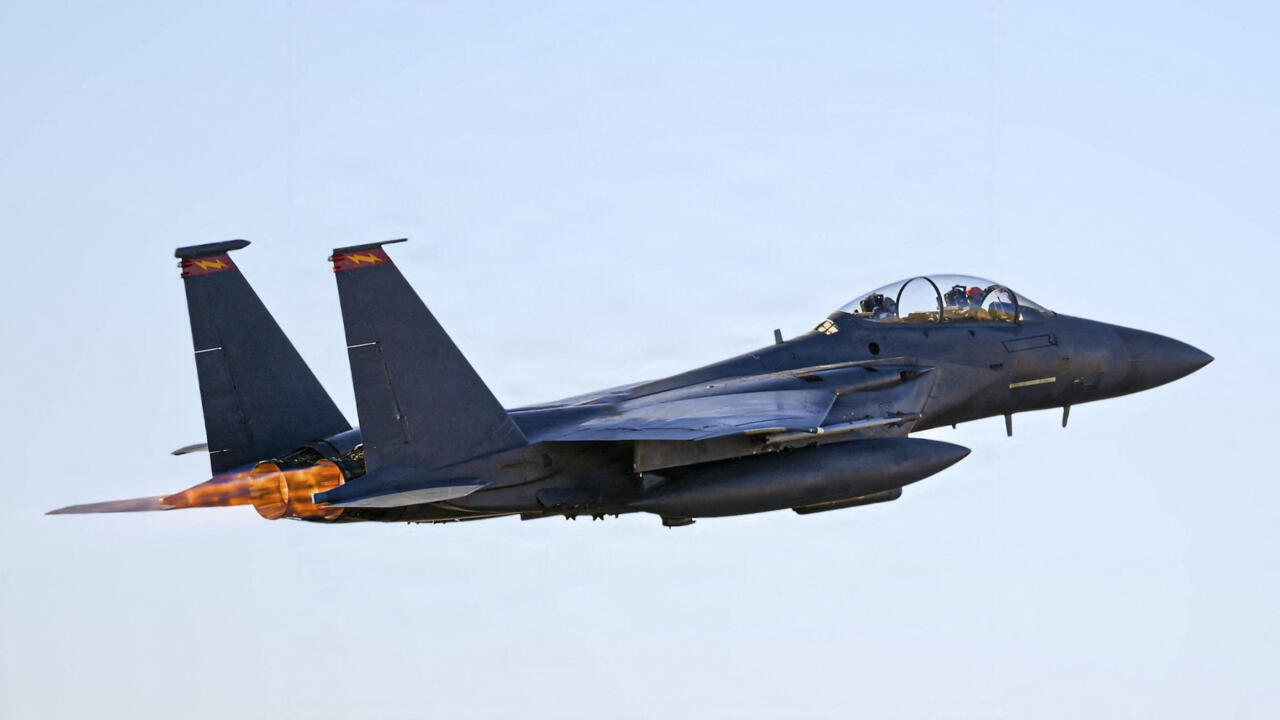
United States Central Command confirmed on Monday that US forces conducted strikes on targets in southern Iran, describing the operation as a response to threats posed by Iranian forces. According to the command, the attacks targeted missile launch sites and vessels allegedly attempting to emplace naval mines in the region. US Central Command spokesman Tim Hawkins stated the action was taken to protect US troops, though no further operational details were released.
The military engagement occurred as Iranian negotiators arrived in Doha for high-stakes discussions aimed at ending the three-month-long conflict between the United States and Iran. The strikes pose a significant risk to the fragile ceasefire that has been in effect since 8 April 2026, potentially destabilising the diplomatic environment as both sides attempt to reach an accord to resolve the war.
Despite the escalation in military activity, financial markets reacted with cautious optimism regarding the potential for a diplomatic breakthrough. Oil prices fell below US$100 a barrel on Tuesday, with investors pricing in the possibility of a deal that would reopen the Strait of Hormuz and restore energy flows disrupted by the conflict.
The price of West Texas Intermediate crude fell 5.46% to US$91.33 a barrel, while North Sea Brent crude rose 1.6% to US$97.68 a barrel. Charu Chanana, chief investment strategist at Saxo in Singapore, noted that markets are correctly pricing in optimism, as even a path toward reopening the Strait of Hormuz lowers the extreme tail risk associated with oil, inflation, and global growth.
Currency markets also reflected the shifting sentiment, with the US dollar trading at 99.031 against a basket of currencies on Tuesday. The euro held gains at US$1.16365, and the Japanese yen fetched 158.95 per US dollar. US markets remained closed on Monday for a public holiday, limiting immediate trading activity during the initial hours of the strikes.
Concurrently, President Donald Trump is in Beijing for a two-day summit with Chinese President Xi Jinping, covering trade, artificial intelligence, and tensions in the Strait of Hormuz. Meanwhile, vessels carrying Middle East oil and liquefied natural gas have been observed exiting the Strait of Hormuz and heading towards Pakistan and China, suggesting ongoing logistical adjustments amid the geopolitical uncertainty.