US strikes Iran port as Gulf tensions escalate on day 90 of conflict
Tehran denies damage from US bombardment while Kuwait intercepts missiles and Israel orders evacuations in Lebanon
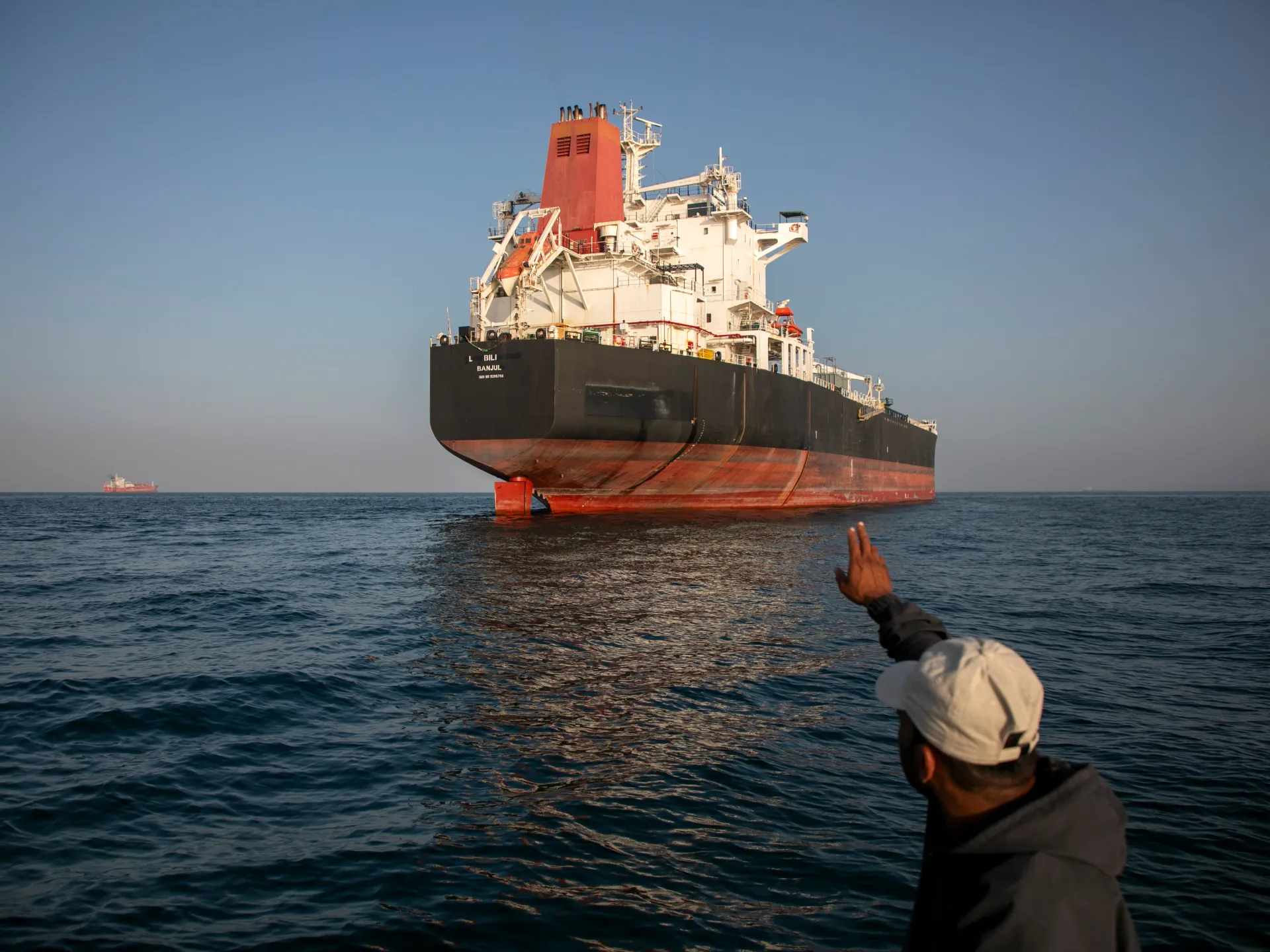
The United States has conducted new military strikes near Iran’s Bandar Abbas port, targeting assets it described as direct threats to its forces and maritime traffic in the Strait of Hormuz. The operation marks a significant escalation on day 90 of the conflict, occurring amid a fragile ceasefire that began on 8 April and ongoing diplomatic negotiations. Iranian state media confirmed explosions near the port but reported no casualties or property damage.
Tensions in the Strait of Hormuz, a critical global shipping route, have intensified following accusations from Iran’s Islamic Revolutionary Guard Corps (IRGC). The IRGC alleged that the US violated the ceasefire and international maritime navigation laws, claiming its navy fired on a US tanker that was crossing the strait with its radar switched off. Washington’s response involved firing near Bandar Abbas, which Tehran’s Tasnim news agency attributed to the IRGC Navy’s actions.
US President Donald Trump maintained a hardline stance during a cabinet meeting at the White House, insisting that Iran would receive no sanctions relief under any agreement. He demanded the surrender of Tehran’s enriched uranium stockpile, a condition Iran has repeatedly rejected. Trump warned that the US would walk away from any deal that did not fully serve American interests, while also declaring that Washington would use force against Oman if it cooperated with Iran to control the strategic waterway.
In a move to increase economic pressure, the US Treasury Department added Iran’s Persian Gulf Strait Authority to its sanctions list. The authority was established by Tehran to manage ship transit requests through the Strait of Hormuz. The designation underscores the Trump administration’s strategy of leveraging financial tools alongside military action as negotiations over ending the war continue, despite speculation that a potential agreement may be nearing completion.
Regional instability extended beyond the Persian Gulf, with Kuwait’s military intercepting hostile missiles and drones. Authorities in Kuwait attributed the resulting explosion sounds to air defence systems and urged residents to follow safety instructions. Meanwhile, in Lebanon, the Israeli military ordered immediate evacuations in parts of Tyre and Zaqqoq al-Mufdi, claiming the areas were near Hezbollah facilities. Hezbollah reported launching dozens of operations against Israeli troops and positions in southern Lebanon and northern Israel, including drone attacks and strikes on military vehicles.
In Gaza, the conflict continued to claim senior leadership figures. Dozens of Palestinians marched through Gaza City carrying the body of Mohammad Odeh, commander of Hamas’s armed wing, who was killed in an Israeli strike on Tuesday night. His death follows the killing of his predecessor, Izz al-Din al-Haddad, about a week earlier, highlighting Israel’s continued targeting of the group’s senior command despite the broader ceasefire context.
Reporting from the White House, Manuel Rapalo noted that Iran negotiations dominated President Trump’s latest cabinet meeting, alongside discussions on immigration, inflation, and the economy ahead of the midterms. The US stance remains firm, with Trump asserting that “nobody is going to control” the Strait of Hormuz, a comment that drew attention given Oman’s role as a longtime US ally and mediator in the talks.
The situation in the Strait of Hormuz remains volatile, with both military and diplomatic channels active. The US has previously conducted defensive strikes against Iranian military sites in the region, citing aggressive activity from Iranian forces. As oil prices react to the instability, the international community watches closely as the US and Iran navigate a complex landscape of military confrontation and diplomatic deadlock.