US strikes Iran for seventh night as Tehran vows full-scale offensive
Tehran warns of resumed operations following US Central Command confirmation of hits on Iranian infrastructure, while the Revolutionary Guards allege mine strikes on oil tankers.
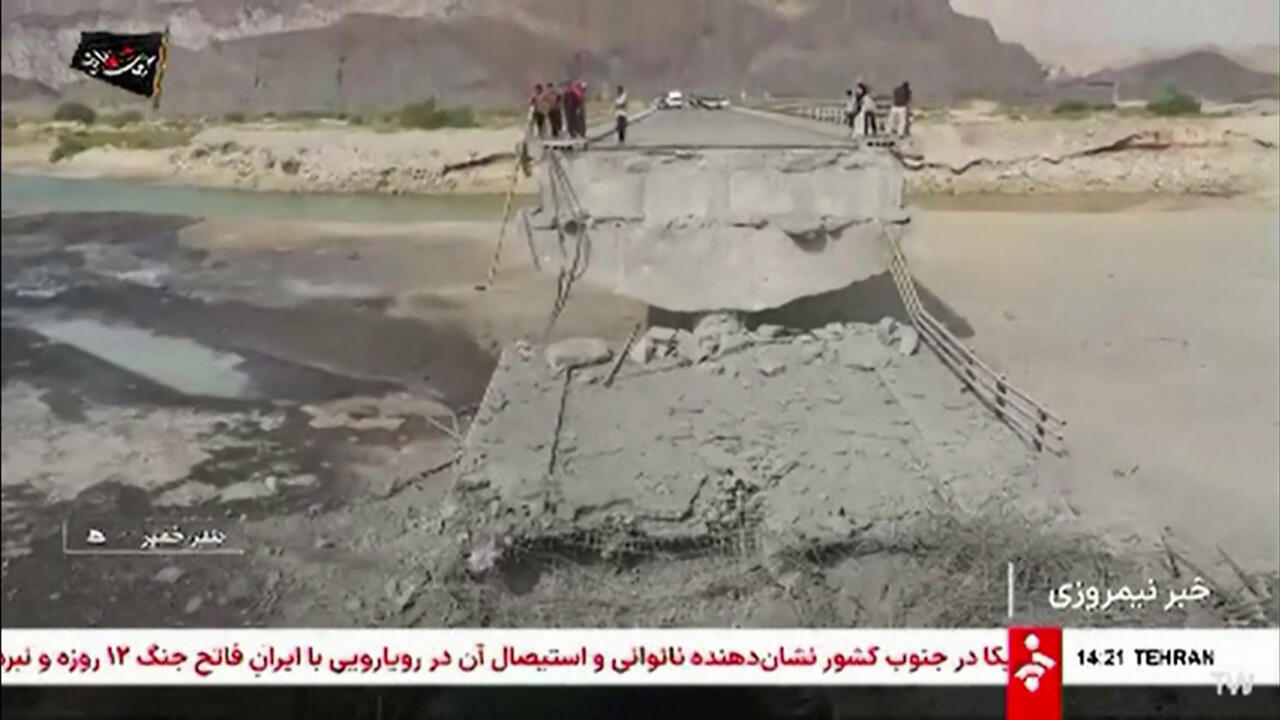
The United States has conducted its seventh consecutive night of airstrikes against Iran, marking a significant escalation in the ongoing military conflict in the Middle East. The strikes occurred overnight on Friday, 18 July 2026, despite explicit warnings from Tehran that it would resume full-scale offensive operations if the attacks continued.
Major General Mohsen Rezaei, speaking through the state-controlled news agency IRIB, issued the threat regarding the continuation of hostilities. The Iranian military’s stance underscores the deepening tension between the two nations as the US continues its campaign against Iranian targets.
Iranian state media reported immediate impacts from the US offensive. The IRNA news agency confirmed that five explosions were heard in the central city of Yazd shortly after the strikes were announced. Additionally, the Mehr news agency reported explosions in several southern provinces, with IRNA confirming that three people were killed and eight wounded in the southern province of Hormozgan.
In response to the US actions, Iran’s army claimed it had launched retaliatory strikes against American military targets. The Iranian military stated it hit US positions in Kuwait and Jordan, as well as a base in Bahrain. These claims represent a direct challenge to US forces operating in the region.
US Central Command (CENTCOM) confirmed that American forces had concluded the strikes, stating they hit surveillance sites, military logistics infrastructure, underground weapons storage, and maritime capabilities. The command emphasized the targeted nature of the operations against Iranian military assets.
Tensions also flared in the Strait of Hormuz, a critical maritime passage. The Iranian Revolutionary Guards alleged that two oil tankers struck mines and caught fire, claiming they were directed by deceptive American intelligence agencies. The Guards also stated they had stopped four ships attempting to transit the strategic waterway.
CENTCOM issued a denial of the mine strike allegations, stating on X that the claim was false, noting that such assertions from the Revolutionary Guards were typically inaccurate. The conflicting narratives highlight the information war accompanying the kinetic operations in the region.