West Bank barrier construction accelerates amid land seizure orders and infrastructure destruction
Construction of a 22km military barrier in the Jordan Valley has triggered widespread destruction of agricultural assets and a surge in land-seizure orders, raising concerns over the long-term viability of Palestinian communities in the occupied territory.
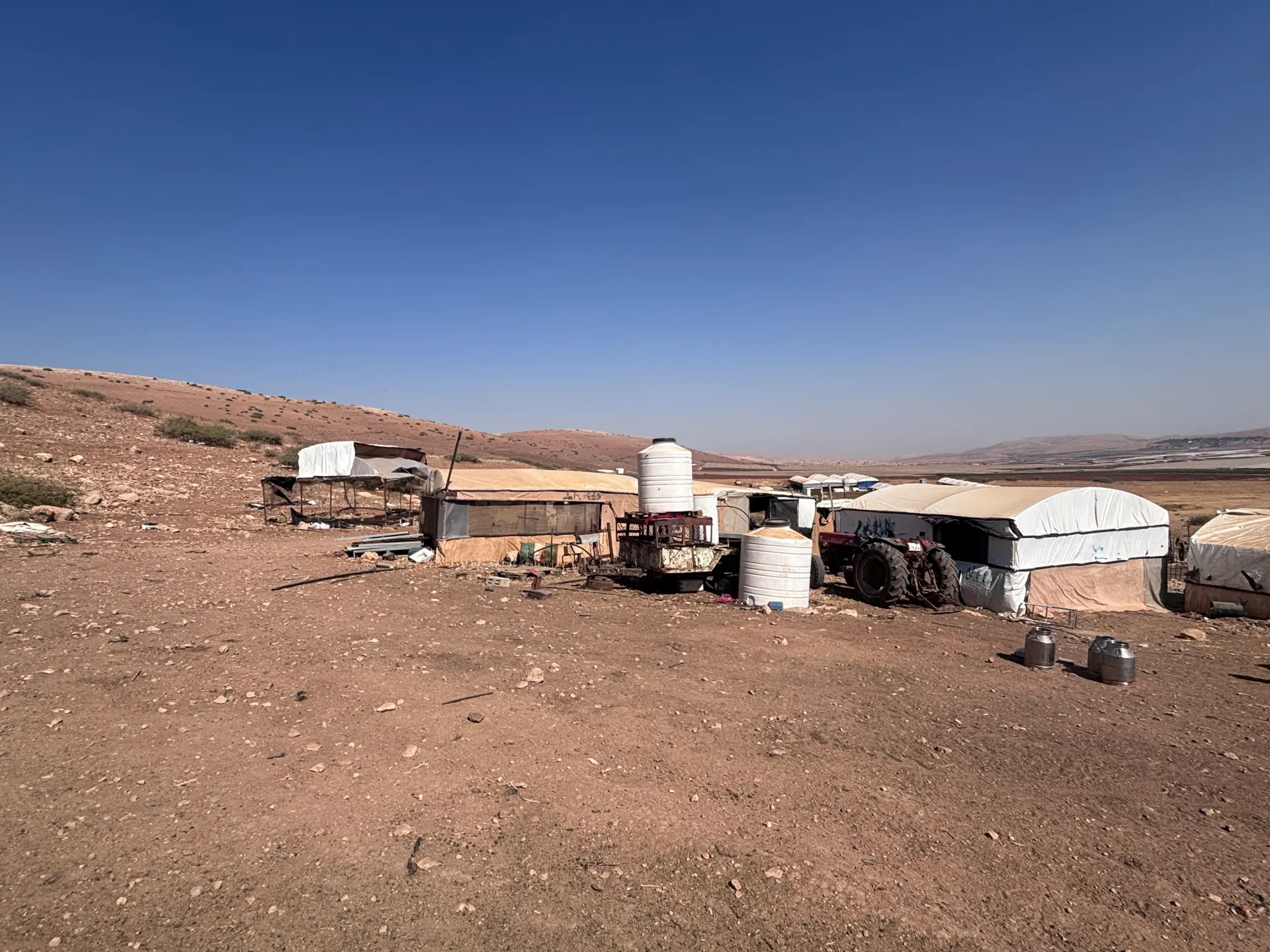
Construction of Israel’s ‘Crimson Thread’ military barrier in the occupied West Bank’s Jordan Valley is accelerating, with authorities digging trenches and issuing land-seizure orders that residents and policy experts describe as a mechanism for displacing Palestinian communities. The project, which includes a 22km trench and military road between the Ein Shibli and Tayasir checkpoints, runs several kilometres inside the occupied territory rather than along the Jordanian border. Israeli authorities state the barrier is designed to prevent weapons smuggling, but the route effectively severs farmers from their land and links existing settlements to new outposts.
The legal and operational groundwork for the expansion was solidified in June 2026, when an Israeli Supreme Court ruling cleared the way for construction to proceed. This followed warnings in March 2026 by military commander Gilad Shriki, who advised residents to prepare for a complete takeover of the area. Since the ruling, the Israeli Civil Administration has carried out near-daily operations, resulting in the destruction of irrigation pipes, water wells, and greenhouses. On July 14 alone, authorities destroyed three wells in the al-Buqaia plain and confiscated pumps, with the Atuf village council estimating the damage from that single day’s operations at more than four million shekels ($1.3m).
Policy tracking by the Israeli NGO Kerem Navot indicates a sharp escalation in land seizures. Dror Etkes, who monitors Israeli land policy, noted that 49 military land-seizure orders were issued in the first half of 2026, exceeding the total of 47 issued for all of 2025. Etkes described the barrier’s route as being stitched together by nine such orders, a move that connects existing settlements to the new Jabal Tamun outpost. He stated that the barrier blocks Palestinian access to farmland east of the trench while facilitating the expansion of settler infrastructure, noting that communities such as Khirbet Yarza and Khirbet Samra have already been emptied of their residents.
The human impact has been severe, with residents reporting restricted movement, water shortages, and economic collapse. Thaer Bisharat, a resident of Ras al-Ahmar, reported that travel times to his home have increased from ten minutes to three hours due to road closures and patrols. Water costs have tripled to more than 300 shekels ($100) per tank following supply cuts, and Bisharat estimates agricultural production in the area has collapsed by 90 percent. Mahdi Daraghmeh of the al-Maleh village council confirmed that 130 families have been displaced in the hamlets he oversees, citing settler intimidation and military raids as primary drivers.
Violence against residents has also intensified. On June 16, Bilal Bani Oudeh was assaulted by settlers after bulldozers demolished his livestock infrastructure and he refused a 24-hour eviction warning. Bani Oudeh reportedly nearly died from the attack, and settlers confiscated his belongings. With excavation uprooting olive and grape trees and severing pipelines serving tens of thousands of dunams, local leaders warn that the completion of the trench will isolate communities without basic services, effectively trapping residents in what Daraghmeh described as a prison.