U.S. Strategic Petroleum Reserve hits lowest level since 1983
The volume of oil in the U.S. Strategic Petroleum Reserve has fallen below 300 million barrels, marking the lowest level recorded since 1983, according to data reported by CNBC.
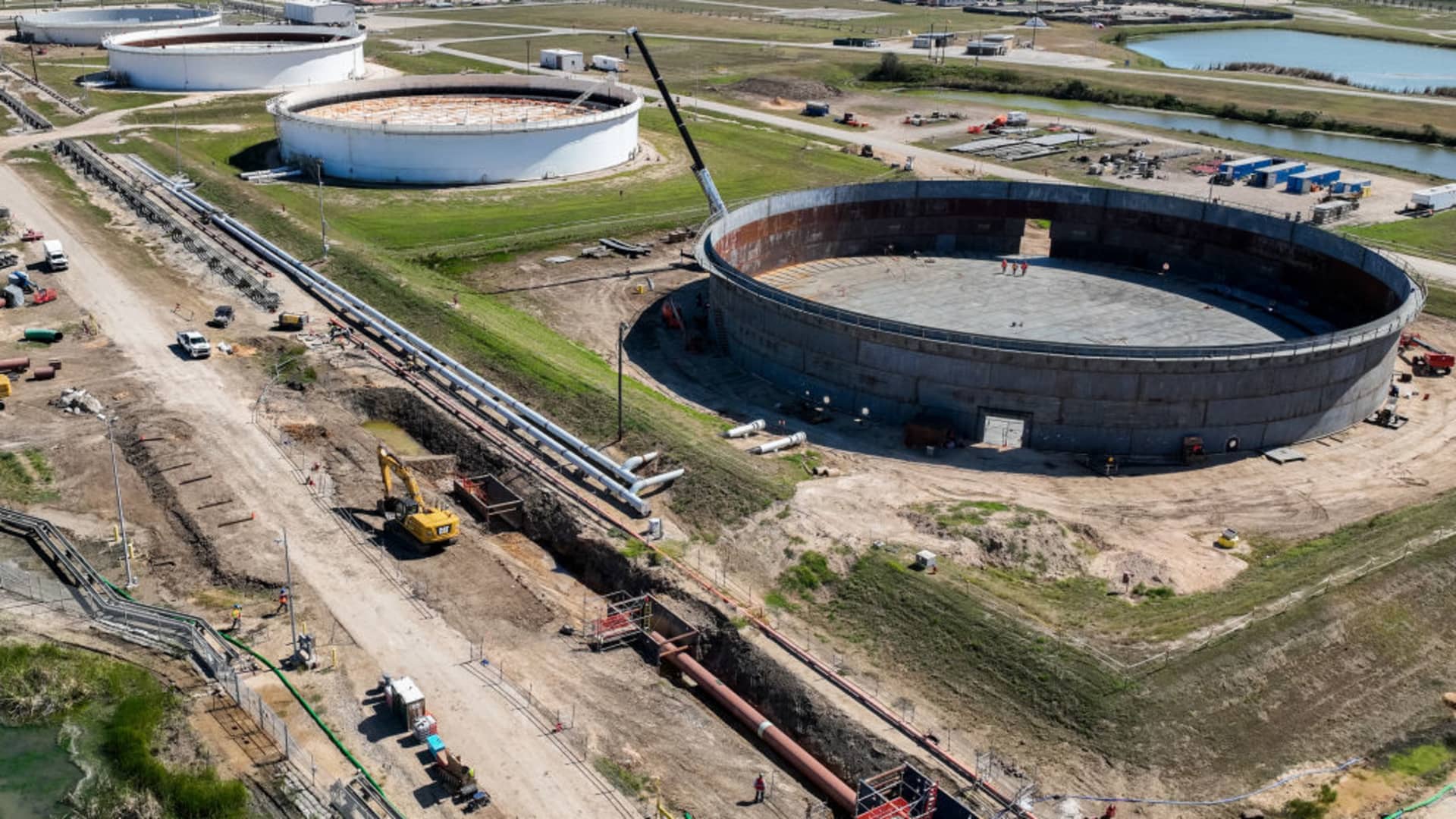
The United States’ primary emergency oil stockpile has contracted to its lowest volume in over four decades, dipping below the 300 million barrel threshold. This decline underscores a significant shift in the management of national energy reserves, driven by a sustained pattern of government intervention in the market.
According to reporting by CNBC, the reduction in stockpile levels follows a trend of U.S. presidents ordering massive releases from the Strategic Petroleum Reserve (SPR) with increasing frequency in recent years. These coordinated actions have systematically drawn down the federal inventory, which serves as a critical buffer against global supply shocks and price volatility.
The current volume represents the first time the reserve has fallen below this specific mark since 1983. Established in the early 1980s in response to global energy crises, the SPR was designed to provide emergency oil supplies during severe disruptions. The current depletion marks a stark departure from the historical norms of the stockpile’s management.
While the specific volumes of oil released in each recent order were not detailed in the source material, the aggregate effect of these presidential directives has been substantial. The repeated nature of these releases indicates a strategic reliance on the SPR to mitigate immediate market pressures rather than preserving the stockpile for long-term strategic contingencies.
The drawdown highlights the evolving role of the SPR in U.S. energy policy. As administrations increasingly utilise the reserve to influence domestic fuel costs and supply stability, the physical capacity of the stockpile continues to shrink, potentially limiting its effectiveness in future crises.