US stock futures slide as Iran tensions push oil and bond yields higher
Nasdaq-100 futures lead losses while crude prices surge past $90 per barrel amid threats over the Strait of Hormuz.
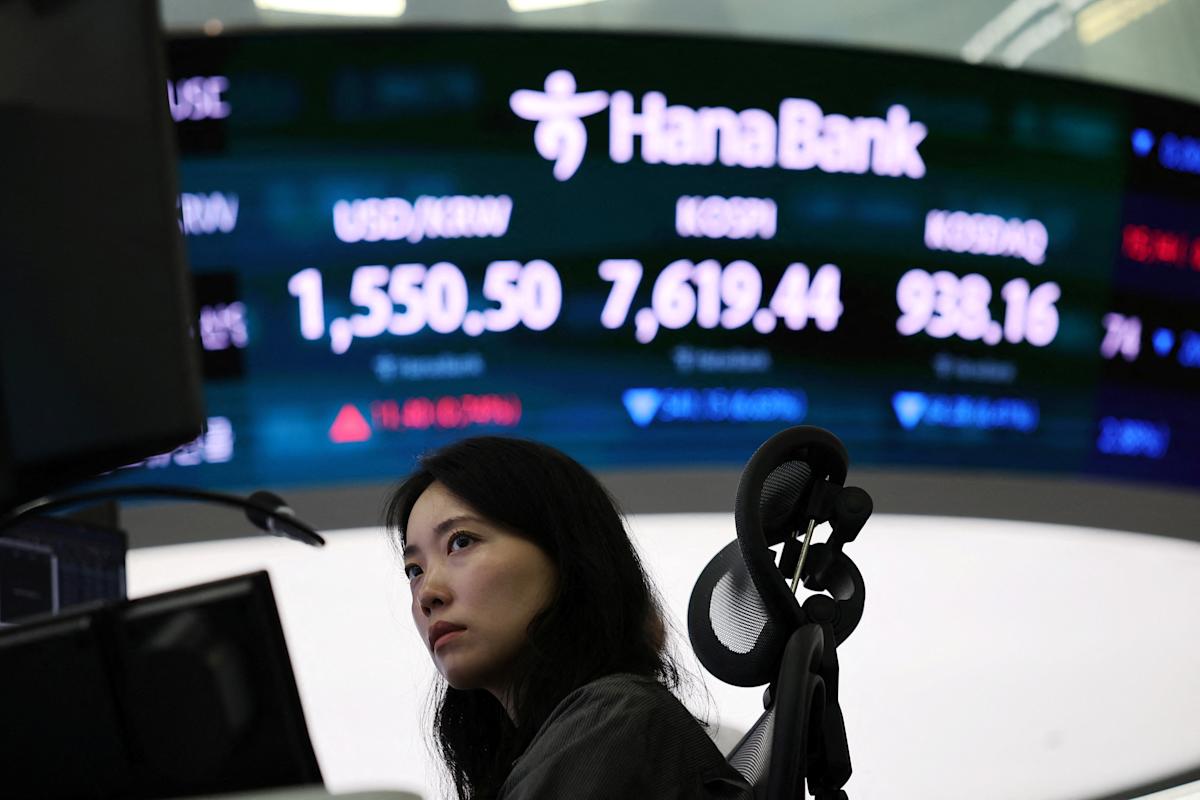
US stock futures declined on Tuesday as escalating tensions between the United States and Iran reignited inflation concerns, driving oil prices to multi-week highs. The Nasdaq-100 futures led the retreat, falling 1.1%, while the S&P 500 futures dropped 0.4%. Futures on the Dow Jones Industrial Average remained flat, marking a downbeat start to the trading week for major equity indices.
Oil prices climbed to their highest levels in over two weeks following President Trump’s threats to inflict further economic pain on Iran. The President warned he would bomb Oman if it interfered with US plans regarding the Strait of Hormuz. Brent crude futures reached $91 per barrel, and West Texas Intermediate crude rose to $84 per barrel, coinciding with reports that the US Strategic Petroleum Reserve has plunged to its lowest level since 1982.
Rising energy costs, alongside concerns over government borrowing and an artificial intelligence borrowing spree, have lifted bond yields globally. In the US, the 10-year Treasury yield hit 4.72%, and the 30-year yield advanced to 5.31%, a 19-year high. This divergence is evident in market expectations for Federal Reserve policy; the implied probability of a rate hike at the September 16 meeting has fallen to roughly one-third, down from nearly 100% in late July, even as long-term borrowing costs climb.
Despite the macroeconomic headwinds, corporate earnings have provided some support for equities. Home Depot reported second-quarter revenue of $47.9 billion, beating analyst forecasts, with same-store sales increasing 1.7%. The retailer’s stock rose 1% in pre-market trading as customers leaned toward smaller renovation projects. Other companies scheduled to report earnings include Toll Brothers and Klarna.
In a separate development, the Nasdaq announced plans to introduce a new overnight trading session starting on Sunday, 6 December. The proposed session would run from 9 p.m. to 4 a.m. ET, subject to regulatory approval from the Securities and Exchange Commission. This addition aims to provide broader access for investors in Asia and Europe, extending the exchange’s nearly 23-hour trading window.