US solar and battery storage dominate power sector additions in first half of 2026
Utility-scale solar and battery storage accounted for the majority of new generating capacity in the United States between January and June, with Texas, New Mexico, and Arizona driving regional growth.
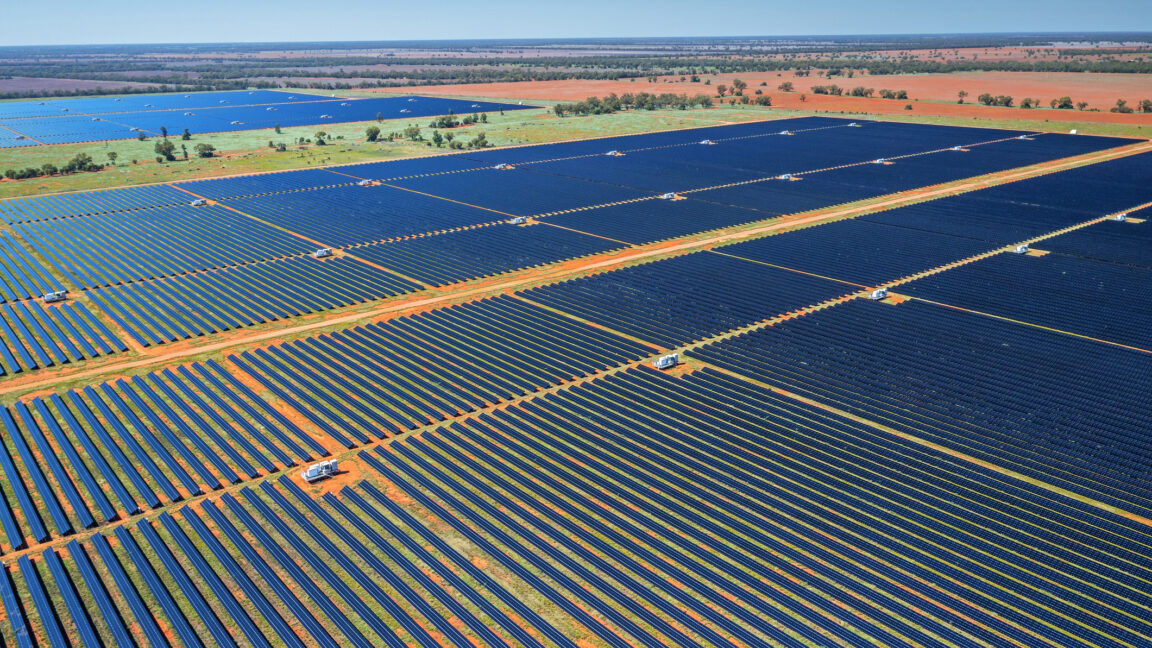
Utility-scale solar and battery storage projects led new power plant completions across the United States in the first half of 2026, according to data released by the US Energy Information Administration. Solar installations accounted for 207 new projects and 11,458 megawatts of capacity, while battery storage added 95 projects and 8,207 megawatts. Natural gas contributions were comparatively modest, with only three combined-cycle facilities coming online during the period.
The landscape of new capacity was heavily influenced by a few large-scale projects that have been in development for years. The SunZia Wind South and SunZia Wind North facilities in New Mexico, with a combined capacity of 3,650 megawatts, represent the largest wind farms to go online this year. However, analysts note these projects are an echo of a past boom rather than an indicator of a new onshore wind trend, as US onshore wind development has slowed due to regulatory and public opinion challenges.
Following the wind installations, the Trumbull Energy Center in Ohio, a 900-megawatt combined-cycle natural gas plant, stands as the second-largest new power plant by capacity. The first project to reflect the broader trend of solar paired with storage is the Green River Energy Center in Utah, which provides 800 megawatts of capacity through a mix of 400 megawatts of solar and 400 megawatts of batteries.
Geographically, Texas, New Mexico, and Arizona accounted for approximately half of the new generating capacity. Texas led the nation in battery additions with 3,067 megawatts, followed by utility-scale solar at 2,311 megawatts and natural gas combustion turbines or internal combustion engines at 1,154 megawatts. The state brought no new onshore wind projects online in the first half of the year, despite being the national leader in onshore wind capacity.
Eric Gimon, a senior fellow at Energy Innovation, a San Francisco-based think tank, described the current market as firmly entrenched in the era of utility-scale solar, with batteries playing a supporting role. He noted that the bulk of new projects are small and mid-size utility-scale solar installations that are easier to build and site. Gimon identified solar plus battery as the real underlying workhorse of the current power sector expansion.
Looking ahead, the EIA’s list of planned power plants suggests the utility-scale solar boom is likely to continue through the final years of the decade. However, the scale of future solar and natural gas growth remains uncertain, influenced by variables such as electricity demand growth and the share of that growth driven by artificial intelligence data centres.