US signals reluctance to pressure Russia as Rubio meets Lavrov in Manila
Washington’s shifting strategic focus towards the Middle East coincides with renewed dialogue, though officials indicate a desire for progress in Ukraine without exerting coercive measures on Moscow.
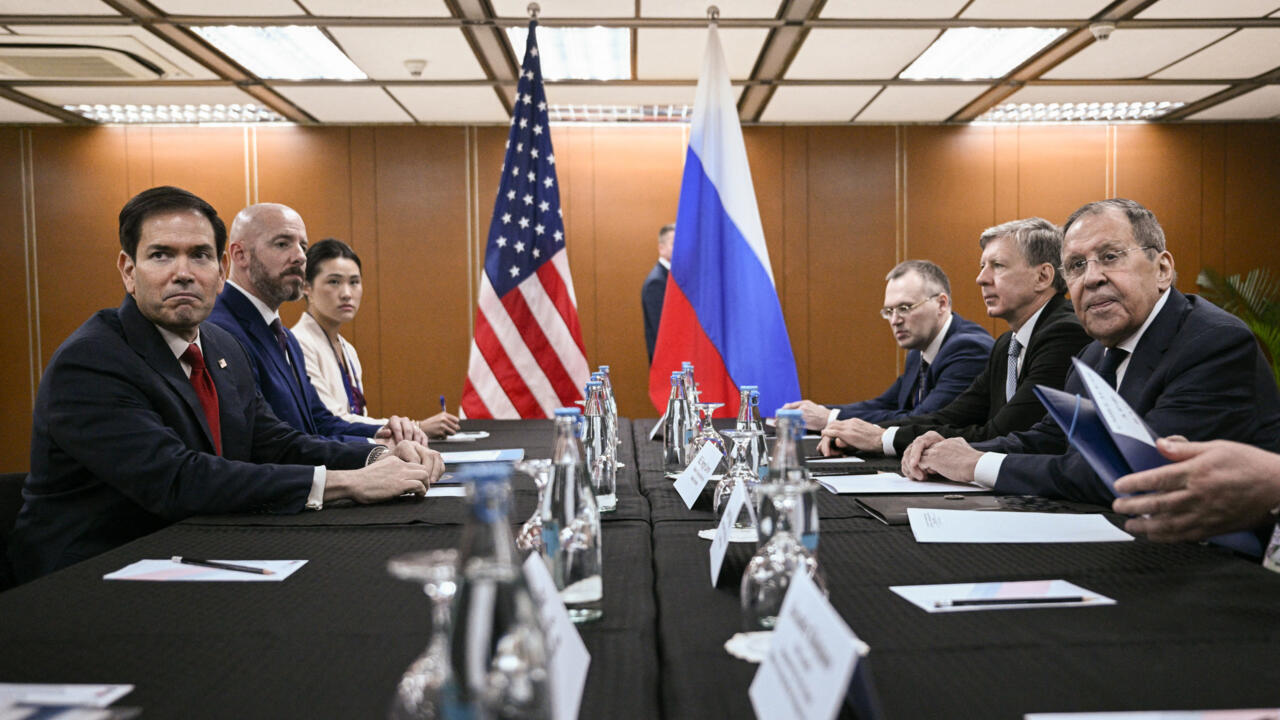
Russian Foreign Minister Sergei Lavrov and US Secretary of State Marco Rubio held their first bilateral meeting since September 2025 on the sidelines of the ASEAN Summit in Manila on July 23. The encounter, which followed a brief prior interaction at a gala dinner, underscores the continuing diplomatic channels between the two nations despite strained relations and diverging strategic priorities.
According to Russian media reports, the formal discussion lasted just over half an hour. The meeting took place against a backdrop of significant shifts in US foreign policy, with Washington increasingly directing its strategic focus from the war in Ukraine to the conflict in the Middle East. This realignment of attention has prompted scrutiny regarding the future of US engagement in European security architectures.
US officials have indicated that they are not willing to put pressure on Russia, a stance that contrasts with the stated desire for progress in resolving the Ukraine conflict. The reluctance to apply coercive diplomatic or economic measures suggests a nuanced approach to the ongoing war, prioritising stability and engagement over confrontation as American attention turns towards other global flashpoints.
The timing of the meeting at the ASEAN Summit provides a neutral venue for high-level interactions between the two powers. While the specific outcomes or agreements reached during the thirty-minute discussion remain undisclosed, the mere occurrence of the talks signals an intent to maintain dialogue. This engagement occurs as the United States manages simultaneous security challenges across Europe and the Middle East, requiring a delicate balancing act in its diplomatic relations.
The last recorded bilateral meeting between Secretary Rubio and Foreign Minister Lavrov occurred in September 2025. The ten-month gap in direct high-level contact highlights the volatility of US-Russia relations. As the ASEAN Summit concludes, the focus will now shift to assessing how these diplomatic signals will influence future policy implementations and negotiations regarding the conflicts in Ukraine and the Middle East.