US Senate Passes Symbolic War Powers Resolution on Iran Conflict
The resolution directs President Donald Trump to withdraw forces or seek explicit congressional authorisation, though it carries no legal force and is viewed as a political rebuke rather than a binding constraint.
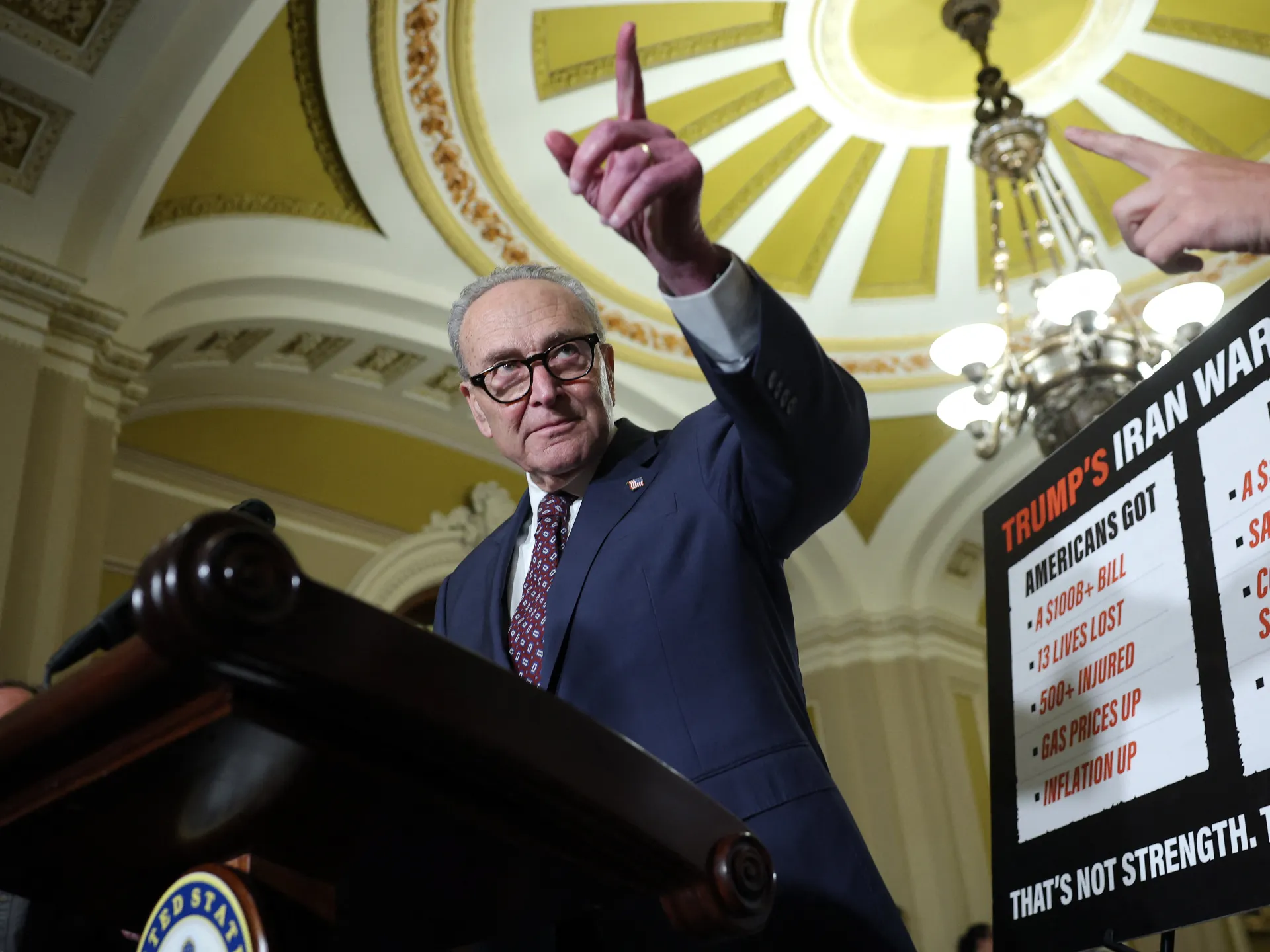
The US Senate has passed a war powers resolution directing President Donald Trump to remove armed forces from hostilities against Iran or seek explicit congressional authorisation for further military action. The measure passed with a 50-48 vote on Tuesday, 24 June 2026, marking the first time both chambers of Congress have approved such a resolution under the War Powers Act. The vote reflects growing institutional unease regarding the conflict, which began with US-Israeli air strikes on Tehran on 28 February 2026.
Four Republican senators crossed party lines to support the bill: Bill Cassidy of Louisiana, Lisa Murkowski of Alaska, Susan Collins of Maine, and Rand Paul of Kentucky. All but one of the chamber’s Democrats voted in favour, with Pennsylvania’s John Fetterman being the sole Democrat to oppose the measure. Two other Republicans, Mitch McConnell and Dave McCormick, did not vote. The resolution had previously been approved by the House of Representatives on 3 June by a vote of 215 to 208.
The resolution explicitly directs the President to remove United States Armed Forces from hostilities against the Islamic Republic of Iran. It stipulates that further military force is only permissible if explicitly authorised by a declaration of war or specific congressional authorisation. However, it allows for a limited military presence in the Middle East to prevent imminent attacks against the US or its allies. Despite the procedural milestone, the resolution does not have the force of law and is widely viewed as a symbolic rebuke to the President’s military campaign.
Public sentiment appears to align with the legislative pushback. A poll released on Tuesday by Reuters and Ipsos indicated that only 24 percent of respondents felt the war had been worth the cost. Senate Majority Leader Chuck Schumer advocated for the resolution, criticising the administration’s approach as delivering maximum confusion and chaos to the American people. He described the conflict as one of the worst foreign policy forays in American history, noting that the vast majority of Senate Republicans had sided with the President instead of the public.
Legal experts note that while the Trump administration should technically seek explicit congressional approval, previous administrations have circumvented such constraints by relying on broader authorisations for the use of military force (AUMFs). These include measures passed in the wake of the 9/11 attacks and the 2003 invasion of Iraq, which presidents continue to utilise to conduct strikes without fresh congressional consent. President Trump has previously asserted that there are no limits to his executive powers in this regard.
Some Republican senators warned that the resolution could undermine diplomatic efforts. Senator James Risch of Idaho argued that the measure could cause Iran to withdraw from negotiations in Switzerland, stating that Tehran would view the congressional rebuke as a signal that the US was disengaged. Risch also described the resolution as essentially useless given its symbolic nature and the President’s refusal to acknowledge limits on his authority. The vote represents the 10th attempt by Congress to rein in the military campaign, following a procedural move in May that did not progress.