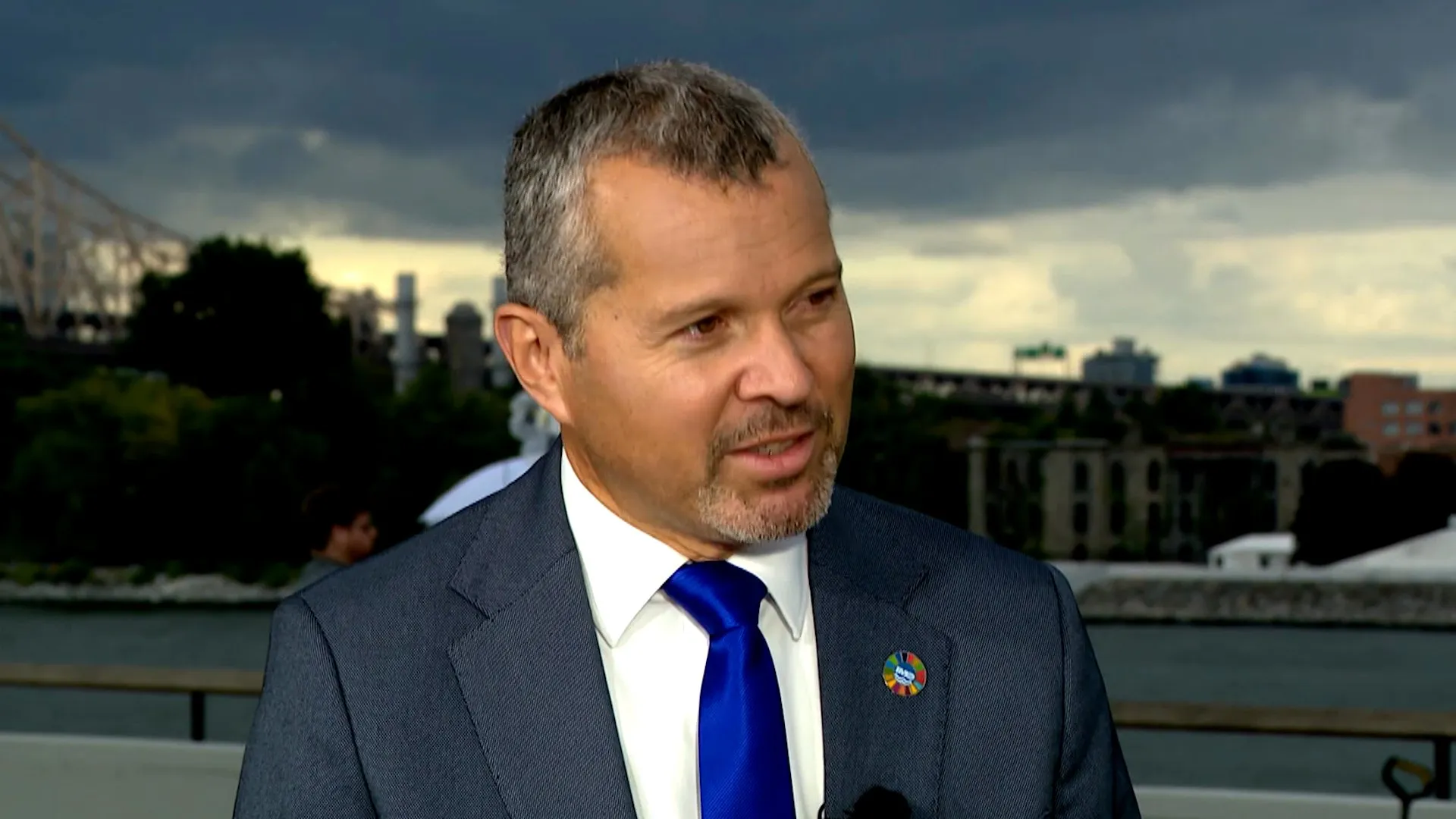
US Senate confirms Kevin Warsh as Federal Reserve chair amid independence concerns
The United States Senate has voted to confirm Kevin Warsh as the new chair of the Federal Reserve, ending a contentious process marked by accusations of political interference and questions over the central bank’s institutional autonomy.
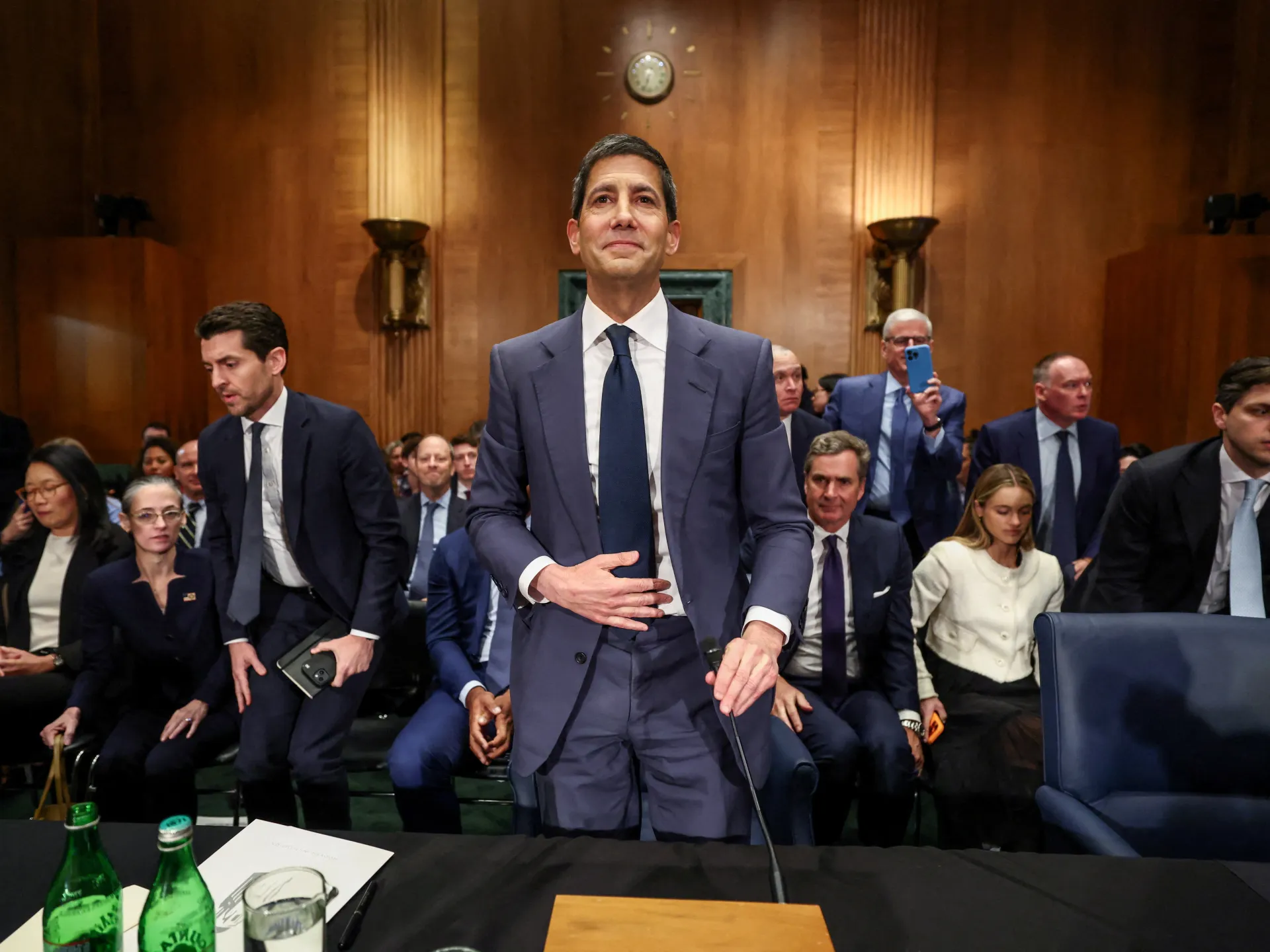
The US Senate confirmed Kevin Warsh as the chair of the Federal Reserve on Wednesday, succeeding Jerome Powell, whose term concludes on Friday. The confirmation vote passed 54-45, with Democratic Senator John Fetterman of Pennsylvania joining Republican colleagues in support. Warsh, 56, was also confirmed on Tuesday for a 14-year term on the central bank’s Board of Governors in a separate 51-45 vote, again with Fetterman’s backing. His swearing-in to both positions awaits final White House signatures on the paperwork transmitted by the Senate.
Warsh’s appointment has sparked significant debate regarding the independence of the US central bank. During his confirmation hearing before the Senate Banking Committee, Senator Elizabeth Warren accused Warsh of being a "sock puppet" for President Donald Trump. The Trump administration has recently increased pressure on the Federal Reserve, including an attempted dismissal of Governor Lisa Cook and a Department of Justice investigation into Powell’s management of a building renovation project. The probe was dropped after Senator Thom Tillis indicated he would withhold support for Warsh’s nomination until the investigation concluded.
Policy positions have also drawn scrutiny, with Warsh shifting his stance from supporting rate hikes in 2024 under President Joe Biden to advocating for rate cuts under Trump. Warsh has pushed for "regime change" within the central bank, specifically arguing for a smaller balance sheet to facilitate lower policy rates. This aligns with the current administration’s calls for more aggressive monetary easing, contrasting with his previous tenure on the Board of Governors from 2006 to 2011.
Economic indicators present a complex backdrop for Warsh’s incoming chairmanship. Consumer prices rose by 0.6 per cent in April, following a 0.9 per cent increase in March, with annual inflation standing at 3.8 per cent. Oil prices are currently surging, adding to the economic pressures. Despite these factors, market expectations remain steady, with CME FedWatch tracking a 97 per cent chance that rates will remain unchanged at the next policy meeting.
The Federal Reserve is expected to maintain interest rates between 3.50 per cent and 3.75 per cent at its next meeting in June. This gathering, scheduled for June 16-17, will be Warsh’s first as chair. The central bank is anticipated to hold rates at this level for the remainder of 2026, navigating the intersection of rising inflation, energy costs, and heightened political scrutiny.