US Secretary of State Rubio warns of destruction for Iranian vessels engaging US forces in Strait of Hormuz
The US State Department has framed the conflict in the Strait of Hormuz as a matter of institutional necessity, with Secretary of State Marco Rubio stating that Iranian boats firing at American vessels will be destroyed. Concurrent regional engagements by the United Arab Emirates and statements from President Trump further complicate the security landscape.
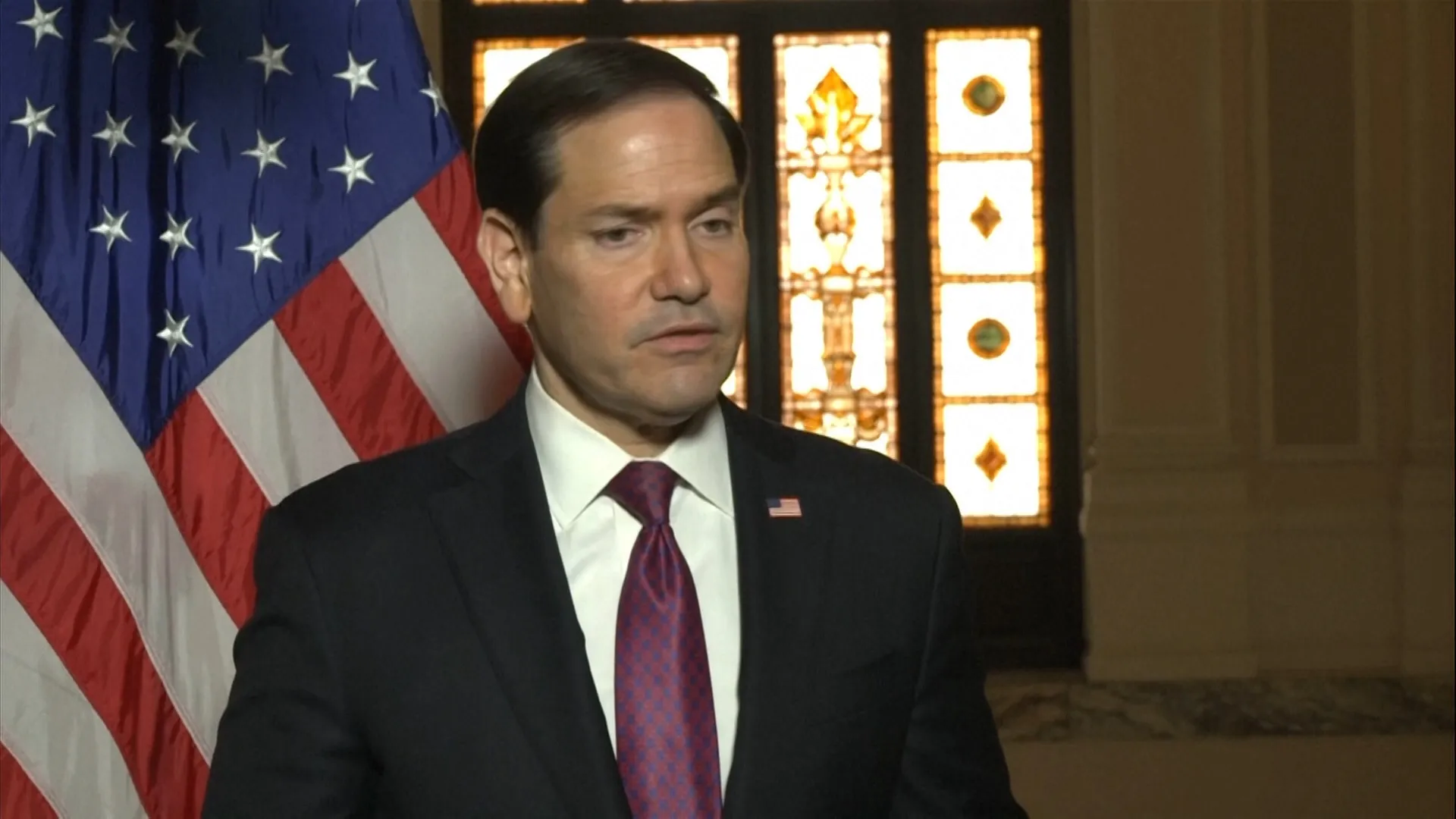
US Secretary of State Marco Rubio has publicly stated that Iranian boats engaging American forces in the Strait of Hormuz will be destroyed. This declaration marks a significant escalation in the diplomatic and military posture of the United States regarding the security of the waterway. Rubio's comments serve as a direct response to reports of Iranian vessels firing upon US ships, reframing the incident not merely as a skirmish but as a challenge to US operational authority in the region.
The State Department's stance is supported by broader claims from the White House. President Donald Trump noted on Truth Social that the US had already destroyed multiple small boats, missiles, and other assets in the area. While these assertions indicate a level of kinetic activity, the specific timeline and exact number of vessels targeted remain unverified in official military reports. This discrepancy between social media announcements and formal documentation highlights the fluid nature of the current security situation.
Regional allies are directly involved in the hostilities, with the United Arab Emirates confirming active engagement against Iranian projectiles. On Friday, UAE air defence systems intercepted two Iranian ballistic missiles and three unmanned aerial vehicles. The engagement resulted in three moderate injuries, underscoring the physical reality of the conflict beyond the diplomatic rhetoric issued by Washington.
Tensions in the Strait of Hormuz have intensified as Tehran condemns Washington's military posture. The US response, articulated by Rubio, suggests a policy of immediate and decisive action against perceived threats to American vessels. By explicitly stating that attacking boats will be "blown up," the administration signals a shift from deterrence to active retaliation, aiming to secure the strategic chokepoint vital for global trade and energy flow.
This military standoff occurs alongside separate diplomatic frictions between Washington and Rome concerning military access and remarks regarding the Pope. Although Secretary of State Rubio recently met with Italian Prime Minister Giorgia Meloni to address these transatlantic issues, the connection between the Rome-Washington disputes and the immediate naval conflict in the Strait of Hormuz remains distinct. The US appears to be managing multiple concurrent escalations, prioritising the security of the Gulf while navigating broader European diplomatic tensions.
The United Arab Emirates' report of intercepting missiles and drones adds a layer of complexity to the regional security architecture. As a key ally, the UAE's direct involvement demonstrates that the conflict extends beyond US-Iranian bilateral relations. The combination of US threats, regional air defence engagements, and unverified claims of asset destruction paints a picture of a rapidly deteriorating security environment in the Middle East.