US-Saudi nuclear pact stalls as Trump ties progress to Israel normalisation
President Donald Trump has conditioned the advancement of a controversial civilian nuclear deal with Saudi Arabia on Riyadh’s diplomatic normalisation with Israel, casting doubt on the agreement’s future as it lacks the strict oversight applied to similar pacts in the region.
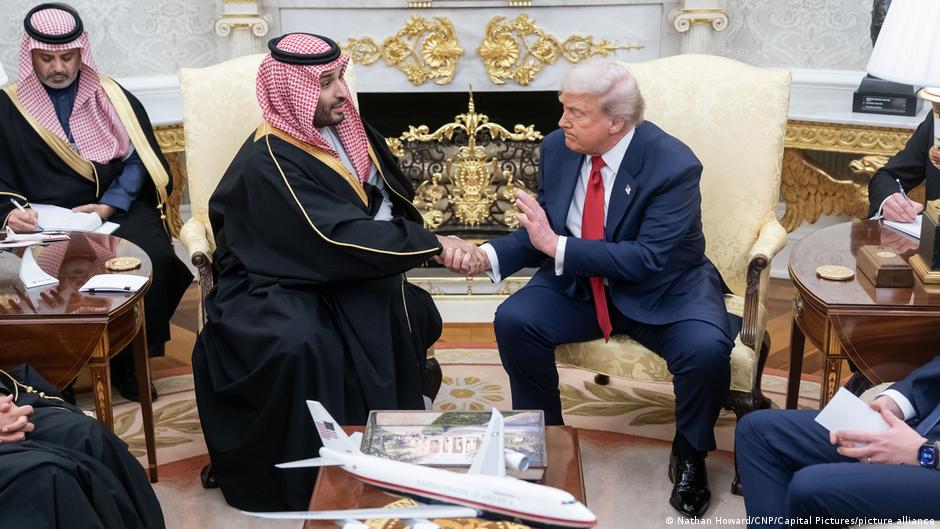
The trajectory of a proposed bilateral agreement between the United States and Saudi Arabia regarding a civilian nuclear programme has become increasingly uncertain following statements from President Donald Trump. The US president indicated that the deal can only proceed if Saudi Arabia normalises diplomatic relations with Israel, a condition that faces significant hurdles given the current Israeli government’s stance on Palestinian statehood. The agreement requires approval from the US Congress and has already drawn sharp criticism from regional allies and nuclear non-proliferation experts.
President Trump explicitly denied reports that the arrangement permits Saudi Arabia to enrich uranium domestically. “There will be no enrichment of material!” he stated, clarifying that the United States supports only civilian, non-enriched nuclear facilities. Despite this clarification, the deal as currently structured lacks the strict International Atomic Energy Agency (IAEA) safeguards and additional protocols that were part of the 2009 agreement with the United Arab Emirates (UAE). This absence of rigorous oversight has raised concerns that the Saudis may eventually be allowed to enrich their own uranium, potentially diverting material for weapons production.
The lack of IAEA oversight is likely to upset the UAE, which competes with Saudi Arabia for geopolitical influence in the region. The UAE’s 2009 nuclear deal included an additional protocol allowing thorough IAEA inspections and a commitment to forgo uranium enrichment. Crucially, the UAE agreement contains a clause stipulating that if a neighbouring country receives a more flexible agreement, the UAE reserves the right to renegotiate its terms. Experts warn that the US-Saudi deal could trigger a nuclear arms race, alienate key allies, and complicate the ongoing US-Iran conflict by reducing Tehran’s willingness to negotiate.
The agreement is set against a backdrop of heightened military conflict. A US-Israeli military campaign against Iran began in late February, involving 49 Tomahawk missile strikes by US forces and Israeli strikes on targets in western and central Iran, including Tehran. In response to attacks on Beirut’s southern suburbs, Iran has fired missiles at Israeli targets and threatened to close the Strait of Hormuz to all vessel traffic. While Iran’s Khatam al-Anbiya command announced the closure on Thursday, US Central Command denied the claim, stating that commercial ships continue to transit the strategic waterway.
Analysts suggest the deal may be driven by American competition with China and Russia, who have submitted bids to build nuclear plants in Saudi Arabia with fewer conditions. Additionally, the agreement could bind the US and Saudi Arabia closer together, potentially giving Riyadh leverage to extract future security concessions from Washington. However, the detachment of the nuclear issue from normalisation is unlikely to please Israeli politicians, who view the deal as a threat to their security and a sign that their wishes have been ignored.