US-Saudi nuclear pact raises Middle East security alarms
The 30-year deal, contingent on Israeli normalisation, includes a controversial “black box” enrichment facility that analysts warn could facilitate a nuclear arms race.
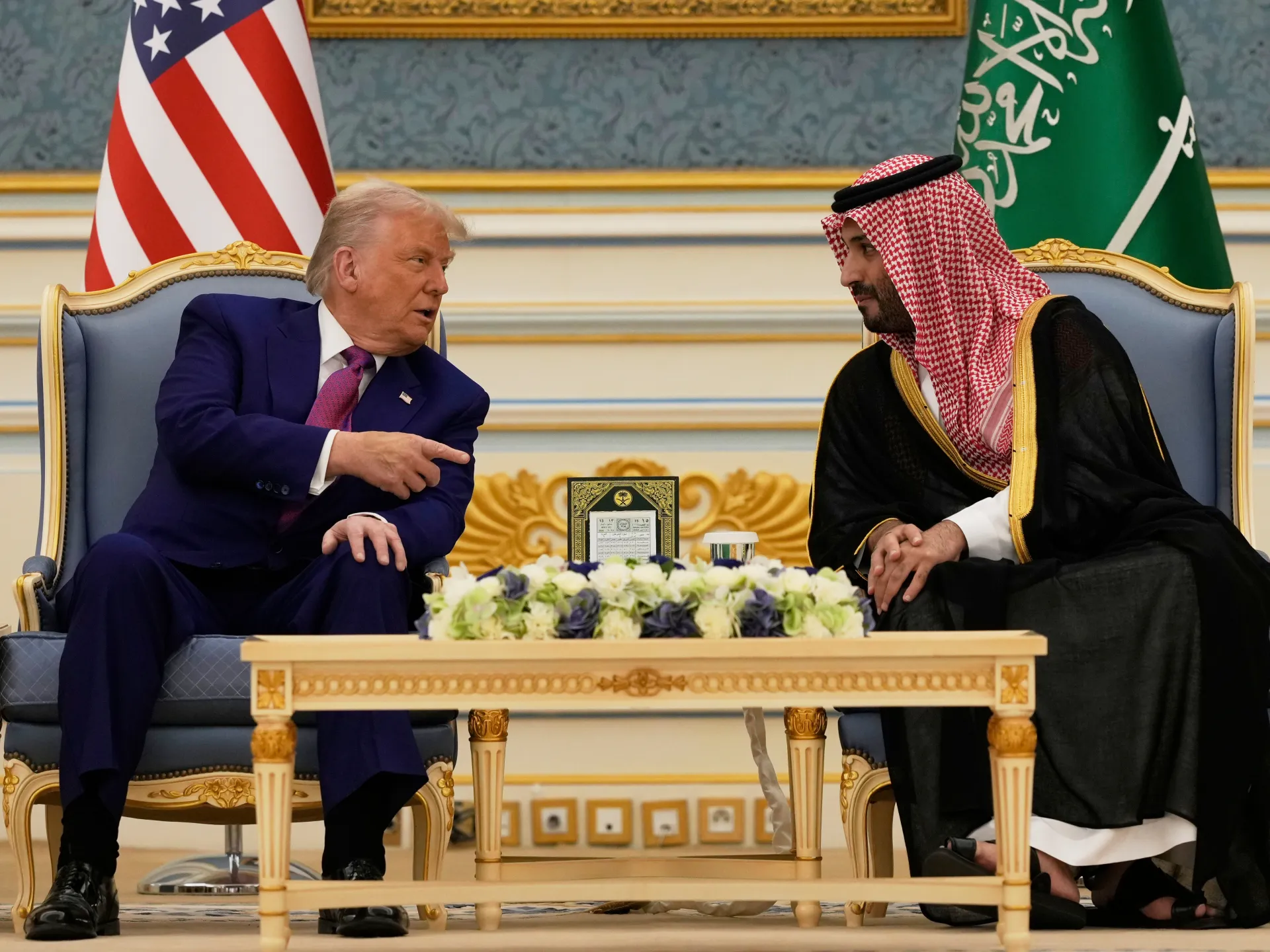
United States President Donald Trump has agreed to a 30-year nuclear cooperation deal with Saudi Arabia, a move that has triggered significant concern regarding a potential nuclear arms race in the Middle East. The agreement involves the transfer of nuclear technology for civilian purposes, including a proposed uranium enrichment facility operated by US contractors under a “black box” arrangement. The deal has been tabled in the US Congress for review and is expected to withstand resistance from Democrats, despite strong opposition from regional actors.
The core of the controversy lies in the proposed facility, which would be situated in Saudi Arabia but run by US companies. A joint two-year study will determine whether such a facility is necessary or if Riyadh should instead import commercial-grade low-enriched uranium. Matthew Kroenig of the Atlantic Council questioned the longevity of US oversight, noting that Saudi engineers would likely master the technology and potentially exclude US involvement in the future. He suggested the two-year study might serve as a negotiating tactic rather than a genuine assessment of need.
US officials have stressed that the arrangement is designed to prevent proliferation. Secretary of State Marco Rubio stated on Thursday that US contractors would handle the project, allowing Washington to monitor activities closely. Westinghouse is believed to be a major contractor for the initiative. However, the US Energy Department has not confirmed whether the deal permits the development of military-grade uranium, leaving a critical gap in transparency regarding the programme’s end use.
Israel has strongly opposed the agreement, viewing it as a direct threat to its security. Former Defence Minister Avigdor Liberman argued on social media that Saudi Arabia’s civilian programme would inevitably lead to nuclear weapons development. Israel, which developed its own arsenal in the 1960s, has long sought to prevent regional rivals from acquiring nuclear capabilities. The deal is contingent on Saudi Arabia normalising diplomatic relations with Israel, a condition that faces significant political hurdles.
Analysts also warn of the risks associated with expanding nuclear infrastructure in a volatile region. With tensions high, concerns have been raised about the potential for nuclear leaks or accidents, citing previous damage to nuclear facilities in Iran and the UAE. The presence of highly enriched uranium and spent fuel in the region increases the stakes, with experts noting that damage to a reactor core could release catastrophic radioactive fallout. The agreement marks a significant shift in US policy, moving away from models used in Turkey and Egypt where Russia manages active plants without enrichment capabilities.