US Sanctions Waiver Expiry Leaves India's Chabahar Port Investment in Limbo
Following the lapse of the exemption, Indian officials have resigned and budget allocations have been halted, forcing the government to consider transferring operational control to an Iranian entity or abandoning the venture entirely.
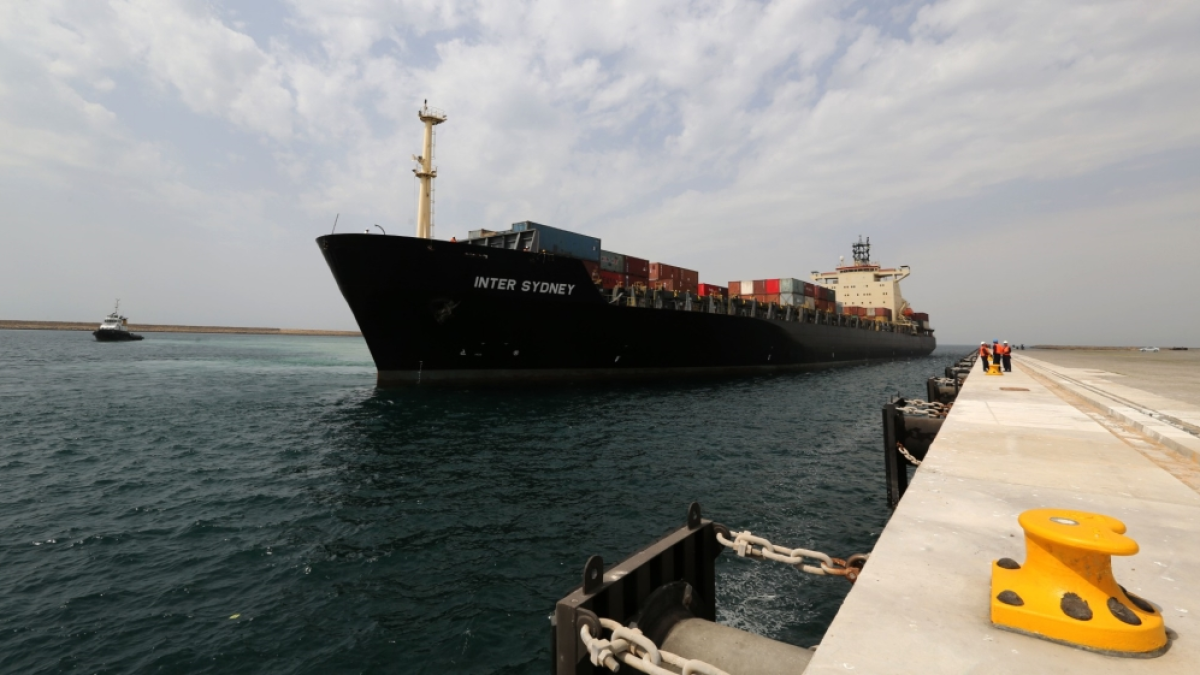
The United States allowed its sanctions waiver for India's Chabahar Port project to expire on 26 April 2026, leaving the strategic investment in a state of uncertainty. The exemption, which had been extended until this date after New Delhi reportedly promised to wind down operations, was not renewed by the second Trump administration. Consequently, the project, which has cost India at least $120 million, now faces a critical juncture with no immediate signs of revival from Washington.
The port, located in southeastern Iran, serves as a vital maritime corridor connecting India to landlocked Afghanistan and Central Asia. This route is essential for New Delhi because persistent tensions with Pakistan preclude the use of a land route through its archrival. Chabahar allows India to circumvent this geopolitical barrier via a maritime path to Iran's west coast, followed by road and rail transit. It also functions as the southern node of the International North-South Transport Corridor, linking Russia and India through Iran.
In response to the lack of renewed support from Washington amidst ongoing regional conflict, the Indian government has taken significant steps that signal a retreat. Officials managing the port for India Ports Global Ltd resigned last year, and the project's website was taken down prior to the waiver expiry. Furthermore, the Indian government omitted any budget allocation for Chabahar in its annual budget in February, marking the first such omission in nearly a decade.
With the waiver lapsed, New Delhi is reportedly considering transferring operational control of the port to an Iranian entity to preserve future access once sanctions are lifted, though no deal has been reached. This potential shift comes as opposition parties in India have criticised the government for abandoning the project under US pressure, with one spokesperson describing it as a new low in foreign policy conduct.
Analysts suggest India now faces a difficult choice between swallowing its losses and exiting the project entirely, or engaging in a long game to return later if regional hostilities end. While some experts argue India could manage sanctions and strike a deal with both the US and Iran, others contend that prioritising good relations with the US and Israel may necessitate a complete exit.
As the situation remains fluid, the Indian Ministry of External Affairs stated that New Delhi is discussing the issue with both Tehran and Washington. However, with the current conflict acting as a complicating factor, the fate of this decade-long investment now hinges on whether India can navigate the complex web of US sanctions and regional instability to maintain its strategic ambitions.