US reports Iranian drone interceptions as UN highlights Lebanon aid crisis
Washington states that Iranian drones were shot down and radar sites on Qeshm Island and Goruk were struck, while the UN reports 1.4 million people in Lebanon require assistance due to ongoing Israeli attacks.
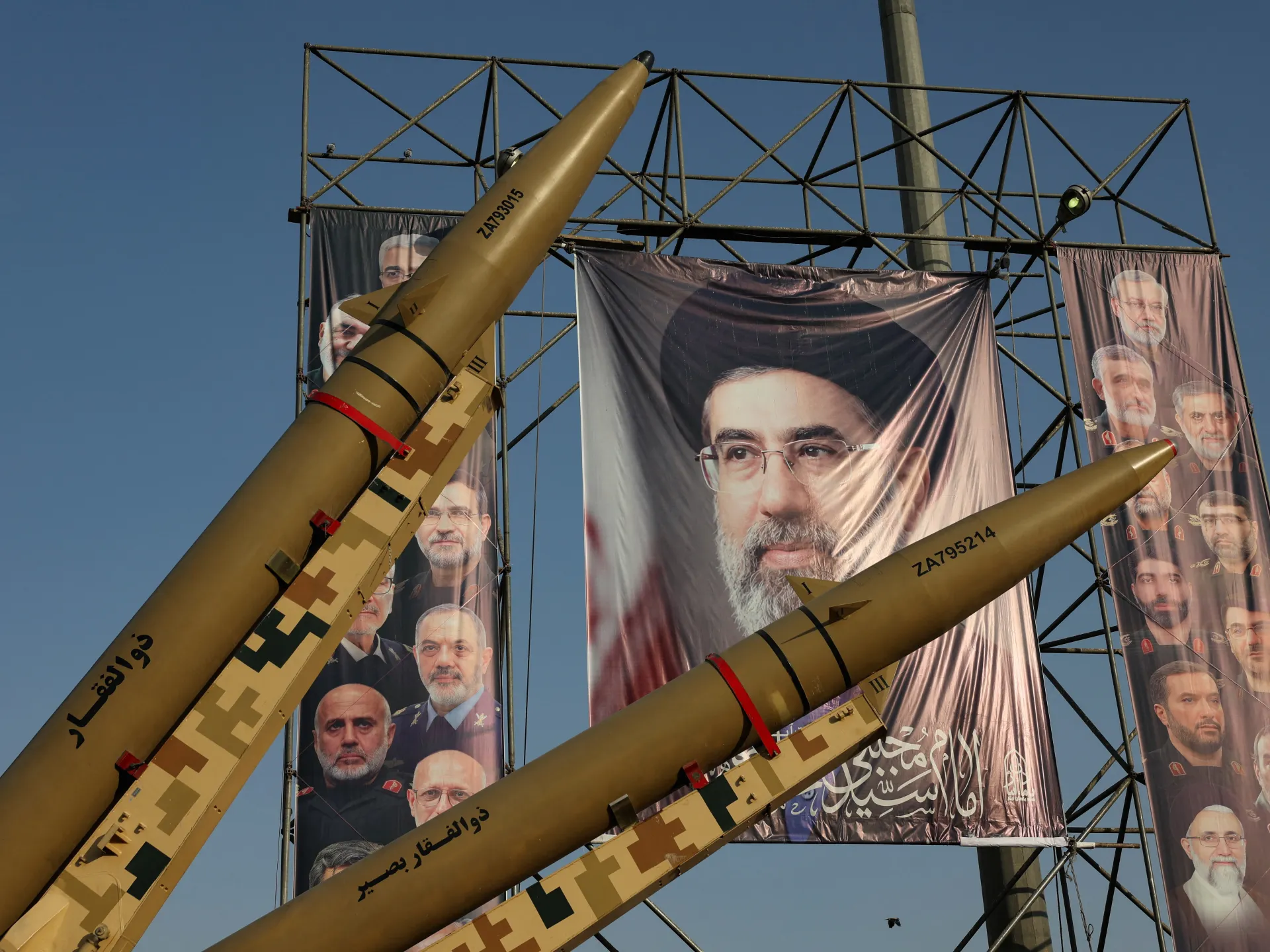
The United States has reported the downing of Iranian drones and strikes on radar installations located on Qeshm Island and Goruk. These military developments were detailed in recent statements from Washington, marking a significant escalation in reported hostilities within the region.
According to US reports, the operations targeted specific Iranian infrastructure, with radar sites on Qeshm Island and Goruk identified as being struck. The United States also confirmed that Iranian drones were shot down during these engagements, although the precise scale of the interceptions and the extent of damage to the radar installations remain subject to the claims made by US authorities.
Concurrently, the United Nations has issued a stark assessment of the humanitarian situation in Lebanon. The agency reports that 1.4 million people in the country are currently in need of aid. This figure underscores the severe impact of ongoing Israeli attacks on the civilian population and infrastructure within Lebanon.
While these two developments—the US-Iran military incidents and the Lebanese humanitarian crisis—are occurring within the same geopolitical timeframe, the source material does not establish a direct causal link between the US strikes on Iranian radar sites and the aid requirements in Lebanon. The events are presented as concurrent developments in a broader regional conflict.
The United Nations’ data regarding the 1.4 million individuals requiring assistance highlights the growing humanitarian burden in Lebanon. The agency attributes this need directly to the continued Israeli attacks, which have disrupted essential services and displaced populations.
As the situation evolves, independent verification of the US military claims regarding the drone interceptions and radar strikes remains necessary. Similarly, the breakdown of the 1.4 million people requiring aid in Lebanon has not been fully detailed in the initial reports, leaving the specific demographics and geographic distribution of those affected open to further clarification.
The intersection of these military and humanitarian reports reflects the complex and volatile nature of the current regional dynamics, with multiple actors engaged in both kinetic operations and diplomatic efforts to address the fallout.