US rejects Iran's offer to reopen Strait of Hormuz while deferring nuclear talks
The Trump administration has signalled its rejection of a new diplomatic initiative from Iran that seeks to end hostilities and restore maritime access without resolving the nuclear dispute.
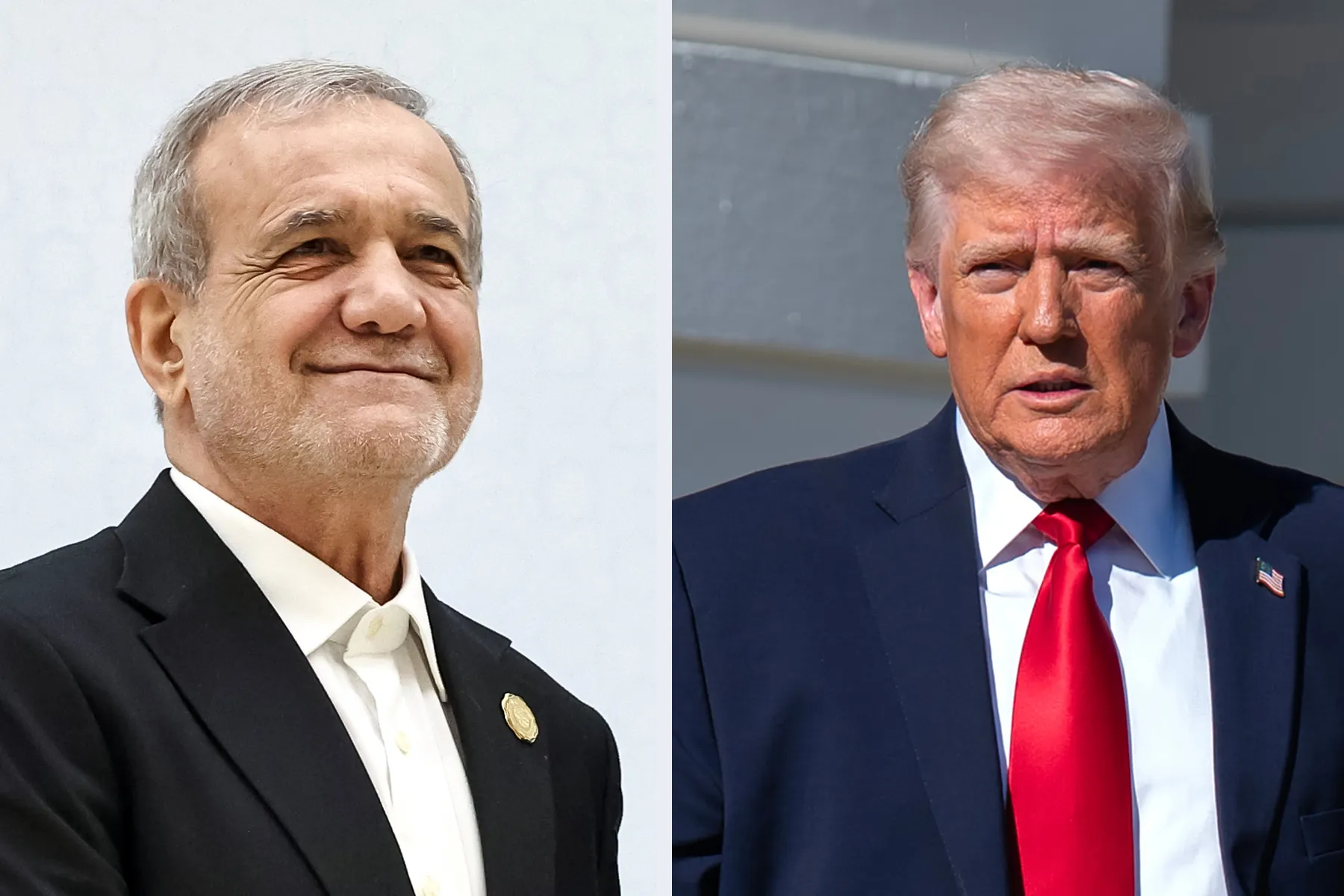
The United States has signalled its rejection of a fresh diplomatic proposal from Iran aimed at ending the ongoing war and reopening the Strait of Hormuz. Mediated through Pakistan, the offer seeks to lift the American naval blockade on Iranian ports and cease hostilities, yet explicitly postpones negotiations regarding Tehran's nuclear programme until after the conflict concludes.
US officials, including President Donald Trump and Secretary of State Marco Rubio, have expressed scepticism regarding the plan. They argue that the proposal fails to adequately address Tehran's nuclear ambitions and risks removing a key piece of American leverage for future talks. President Trump reportedly met with top security advisers on Monday to discuss the offer, with media reports indicating he was unhappy with the terms and unlikely to accept them in their current form.
The proposal arrives as the US blockade, imposed days after a ceasefire began on 8 April, has already disrupted global energy supplies and driven up prices. Iran effectively closed the strategic strait to shipping earlier in the conflict, which analysts note passes approximately one-fifth of the world's oil and liquefied natural gas supplies. By offering to reopen the passage in exchange for the removal of the blockade, Tehran aims to restore a critical maritime chokepoint while avoiding immediate constraints on its nuclear activities.
Iranian state media, Fars News Agency, confirmed that the messages conveyed reflect Tehran's red lines and are framed as an initiative to clarify the regional situation rather than formal negotiations. The proposal suggests that Iran believes its previous model of making compromises on the nuclear programme in exchange for sanctions relief is no longer a viable path towards a potential accord. Instead, the initiative is presented as a trust-building measure to compensate for a significant trust deficit between the nations.
The diplomatic stalemate has drawn criticism from European allies, particularly Germany. Chancellor Merz publicly criticised the US approach, stating that Iranians are negotiating very skilfully and suggesting that President Trump is under pressure from allies who believe he created the current crisis. This sentiment highlights growing frustration among partners who feel the administration is unable to clean up the mess it helped generate in the region.
Despite the dismissal of the current offer, the situation remains volatile. Analysts warn that while both sides may feel time is on their side, the prolonged conflict has resulted in thousands of deaths and paused the broader war between the US and Israel. The inability to reach an agreement that satisfies Washington's security requirements means the prospect of permanently ending the conflict remains distant.