US reimposes naval blockade on Iranian ports as Gulf ceasefire unravels
President Donald Trump abandons proposed transit toll after Gulf ally pressure, while Brent crude prices fluctuate amid escalating regional hostilities.
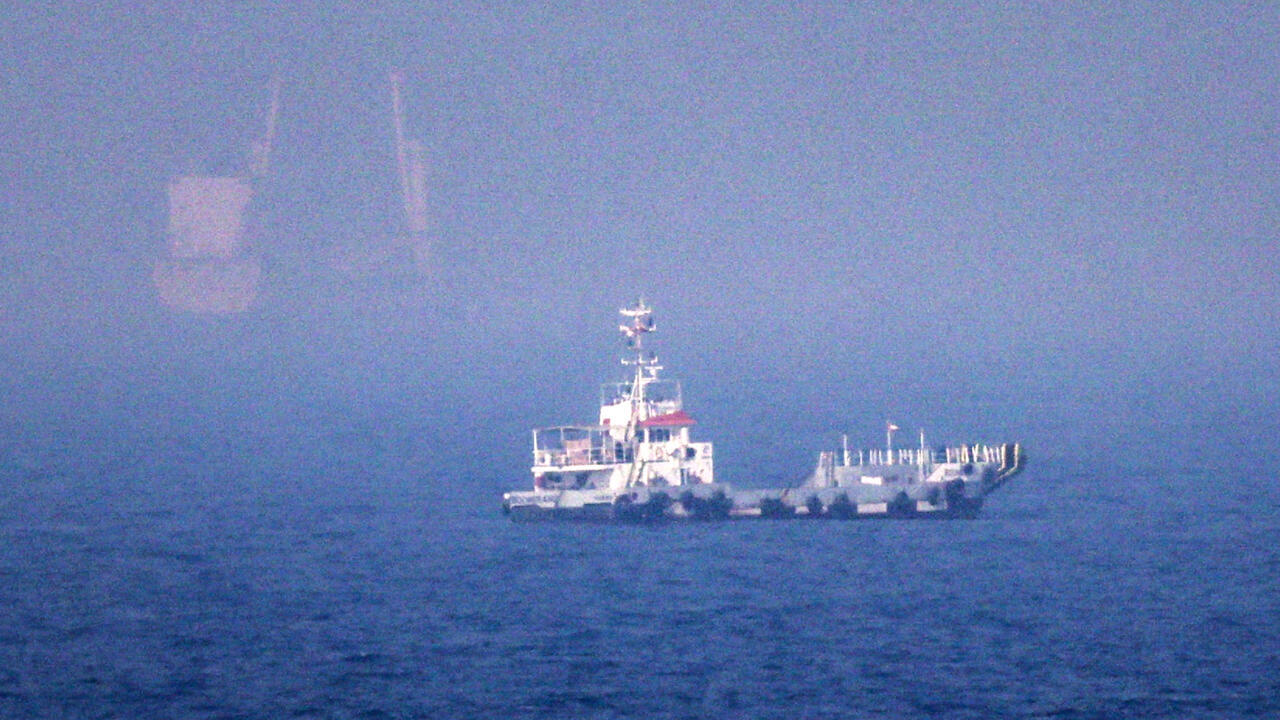
US forces reimposed a naval blockade on Iranian ports on Tuesday, marking the fourth consecutive day of military strikes against the Islamic Republic. The action, confirmed by US Central Command, responds to Iranian attacks on commercial shipping in the Strait of Hormuz and facilities within Gulf states, which have effectively unravelled an interim ceasefire deal signed in mid-June. The blockade, first imposed in mid-April and lifted upon the signing of the peace agreement, aims to restrict maritime access to Iran as fighting intensifies.
The US military targeted coastal defence systems, missile and drone sites, and maritime capabilities across Iran, with strikes reported in Bushehr, Ahvaz, and Bandar Abbas. Iran retaliated with attacks on Bahrain, Kuwait, Jordan, and two tankers associated with the United Arab Emirates (UAE). The International Maritime Organization reported that the attacks on the *Mombasa* and *Al Bahiyah* killed two mariners and wounded 14 others. The UAE has threatened retaliation, while Qatar condemned the strikes on its neighbours as an egregious violation of sovereignty.
In a significant diplomatic shift, US President Donald Trump abandoned a proposed 20% toll on ships passing through the Strait of Hormuz. Trump stated he received calls from Gulf leaders who offered alternative investment deals in the United States instead of accepting the fee. The announcement caused Brent crude oil prices to dip from a high of $87 to $78 per barrel. The US had initially linked the toll to the blockade, but the reversal followed pressure from allies who sought to avoid disrupting global energy supplies further.
The interim ceasefire, which established a 60-day timeline for permanent negotiations on Iran’s nuclear program, is now in jeopardy. US Secretary of State Marco Rubio had recently affirmed that the strait would remain open to all without tolls, a stance that contrasts with Iran’s assertion of its right to manage traffic and potentially charge fees. Iranian Deputy Foreign Minister Kazem Gharibabadi told state broadcaster IRIB that the US blockade seeks to prevent Tehran from exercising effective sovereignty over the strait, arguing that the US is not dependent on the waterway.
Regional mediators are working to stabilise the situation, with Pakistan-led efforts reportedly aiming to reactivate the ceasefire. Meanwhile, Lebanese and Israeli delegations met in Rome for US-mediated negotiations, seeking to implement a framework agreement that outlines the withdrawal of Israeli forces from southern Lebanon in exchange for the disarmament of Hezbollah. The resurgence of hostilities in the Gulf has cast doubt on the durability of the truce in Lebanon, raising concerns about a broader regional conflict.