US reimposes naval blockade on Iran as retaliatory strikes kill over 30 in southern Iran
The United States has reinstated a naval blockade on Iranian ports following Tehran’s attacks on commercial shipping, prompting retaliatory strikes across Jordan, Kuwait, and Bahrain that have left dozens dead and destabilised regional energy markets.
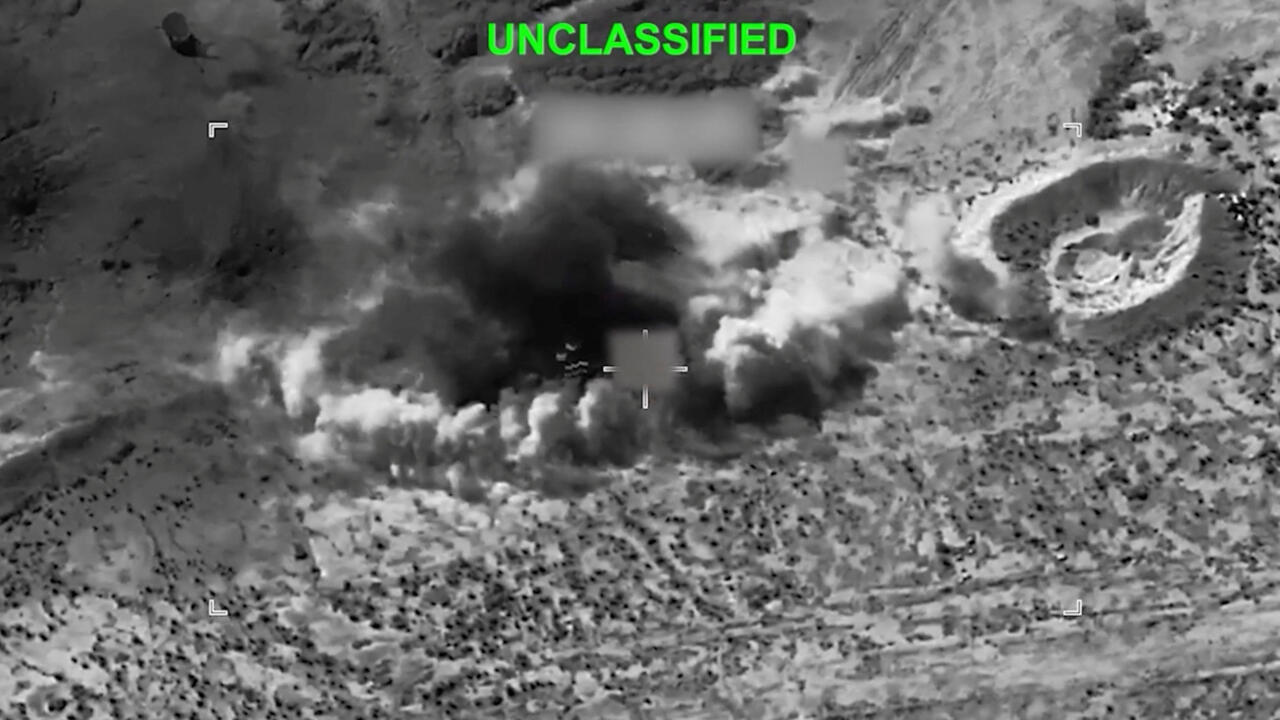
The United States has reimposed a naval blockade on all Iranian ports, citing Tehran’s attacks on commercial shipping in the Strait of Hormuz. In response, Iran launched retaliatory strikes against US military infrastructure in Jordan, Kuwait, and Bahrain. An Iranian government spokesperson reported that more than 30 civilians were killed in recent US air strikes in the country's southern region, while Iran's army stated that at least seven personnel died in a US strike on a military base in Bampur. Oil prices rose as the conflict escalated, with the Strait of Hormuz remaining closed until the US ends its "acts of aggression".
An Iranian government spokesperson stated that more than 30 civilians were killed in US air strikes in the southern region in "recent days". Iran’s army reported that at least seven personnel were killed and others wounded in a US strike on a military base in Bampur, near Iranshahr, involving 13 missiles hitting a guesthouse and guard posts. Jordan’s army confirmed it shot down three ballistic missiles launched from Iranian territory; there were no casualties or damage.
Iran’s Islamic Revolutionary Guard Corps (IRGC) targeted US Fifth Fleet facilities in Bahrain, including command-and-control and logistics sites. Bahrain’s interior ministry activated air raid sirens and urged residents to seek shelter. Kuwait’s military reported intercepting Iranian attack drones targeting a US logistics centre at Mina Abdullah. The Israeli military sentenced an active-duty soldier to five years in prison for sending videos of missile interceptions to an Iranian agent during the June conflict.
A drone landed at Iraq’s Faw port without causing damage, according to state news agency reports. US President Donald Trump announced a reversal of plans to charge a 20% toll on cargo through the Strait of Hormuz, opting instead for investment deals with Gulf states. The US military conducted strikes for a fourth consecutive day to degrade Iranian capabilities used against commercial shipping.
The Strait of Hormuz remains closed until the US ends what Iran describes as "acts of aggression". An interim deal to end the conflict has unravelled as negotiations stall. The US first imposed the blockade in mid-April and then lifted it in mid-June, a day after signing the interim deal that set a 60-day period for negotiations over issues like Iran’s nuclear programme, but talks have stalled as fighting over the strait has intensified.
Oil prices closed up 2% to a one-month high on Tuesday as attacks deepened a supply disruption in the Strait of Hormuz, where some one-fifth of the world’s oil and liquefied natural gas transited prior to the beginning of the war. Brent crude reached its highest level since June 12, while West Texas Intermediate rose to its highest since June 15.
The escalation threatens to push the region back to all-out war, with both nations vying for control of the waterway. Iran’s Revolutionary Guards warned that if Washington sought to block the region's oil and gas exports by controlling maritime routes, other export routes serving US and allied interests could also be closed, stating that regional energy exports would be "for everyone or for no one".