US reduces South Korea joint drills as defence assets shift to Middle East
Financial Times reports that Washington’s scaling back of Ulchi Freedom Shield exercises raises questions about regional resolve, while Seoul responds to the strategic recalibration.
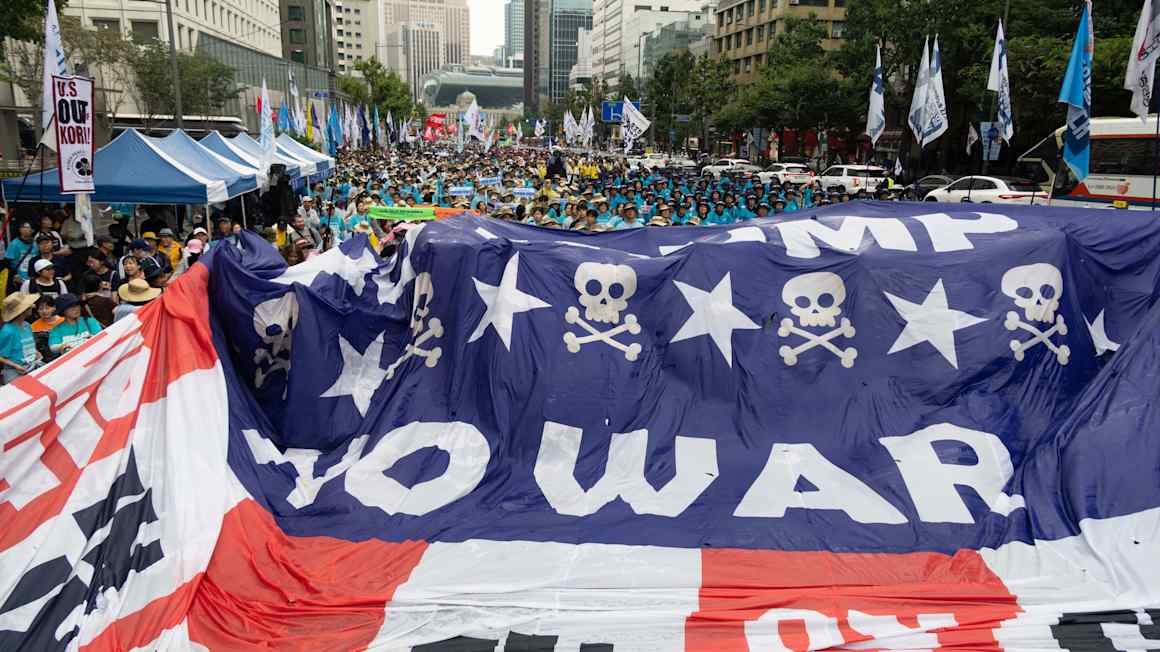
US President Donald Trump has directed the Pentagon to substantially reduce the scope of the annual Ulchi Freedom Shield joint military exercises with South Korea, a move that has sparked debate over American commitment to Asian security. The directive, issued on 17 August 2026, marks a significant departure from established joint training protocols and signals a recalibration of US defence strategy in East Asia.
According to a report by the Financial Times, the decision coincides with a broader realignment of military assets. The Pentagon is currently deploying ships from the Indo-Pacific region to the Middle East, a shift that occurs alongside reports that weapons stockpiles have been depleted due to the ongoing conflict with Iran. This convergence of diplomatic and military developments has intensified scrutiny on the stability of the US-South Korea alliance.
In justifying the reduction in drill scope, Trump cited his personal relationship with North Korean leader Kim Jong Un and South Korea’s refusal to join the US in its war on Iran. These justifications reflect a complex interplay between diplomatic overtures and military posturing, as Washington navigates competing strategic priorities across two distinct theatres of operation.
Despite the scaling back, the joint exercises will still proceed, albeit with a reduced scope. The South Korean presidential office has responded to the changes, with the government closely monitoring the implications of Washington’s diplomatic claims and the subsequent adjustments to alliance dynamics. The response from Seoul underscores the sensitivity of the issue and the potential long-term impact on regional security architecture.
The move highlights the challenges Washington faces in balancing military reductions with diplomatic engagements. As the US continues to manage its relationships in the region, the interplay between these competing demands will likely remain a focal point of international attention. Investors and policymakers alike are watching closely to see how these shifts in military posture and diplomatic rhetoric will influence market sentiment and geopolitical stability in the Indo-Pacific.