US prosecutors subpoena FIFA over 2026 World Cup ticket pricing
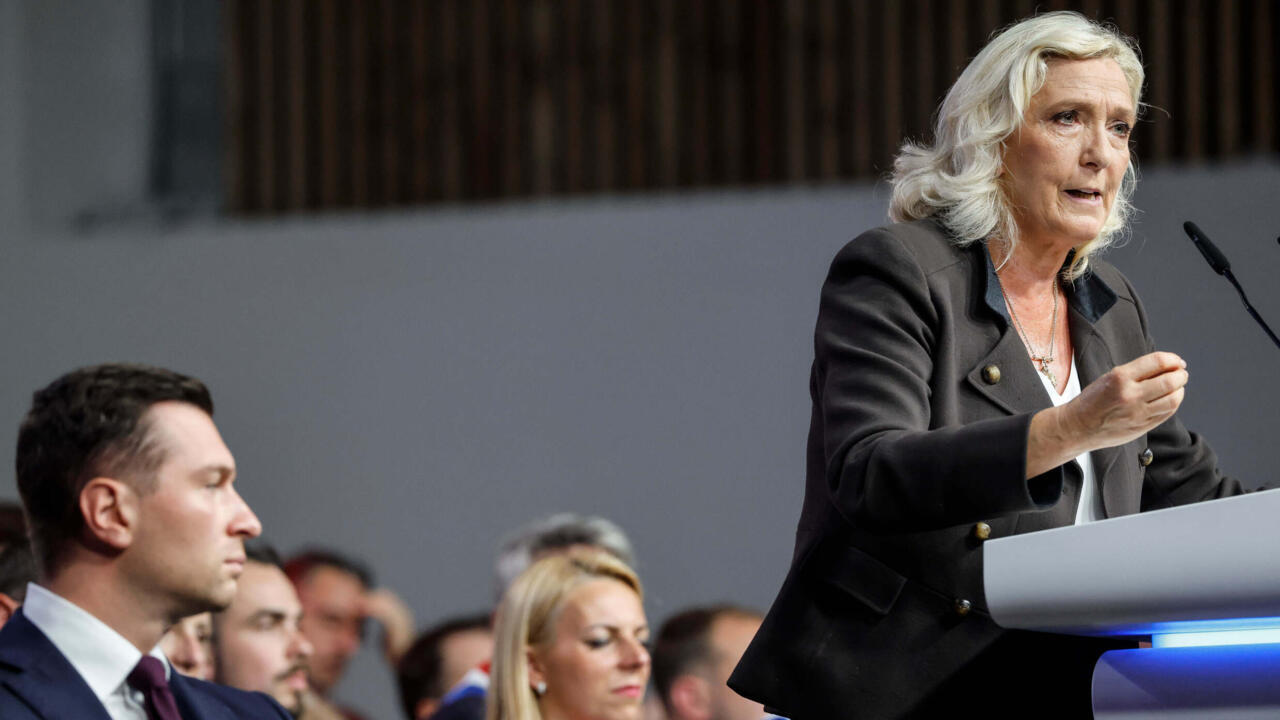
Attorneys-general Letitia James and Jennifer Davenport issue joint subpoena targeting MetLife Stadium matches, accusing governing body of fake scarcity and sky-high costs
Prosecutors in New York and New Jersey have issued a subpoena to FIFA, launching a formal investigation into the pricing structures and seat location accuracy for the 2026 World Cup. New York Attorney-General Letitia James and New Jersey Attorney-General Jennifer Davenport described the costs as sky-high, accusing the international football governing body of exploiting residents and visitors through dynamic pricing and manufactured scarcity.
The investigation specifically targets the eight matches scheduled at MetLife Stadium in East Rutherford, New Jersey, including the final on 19 July. The subpoena seeks detailed information regarding FIFA’s dynamic pricing model and the accuracy of the seat locations promised to fans. James and Davenport stated in a joint release that prices for the 2026 tournament far exceeded those of any previous World Cup competition.
FIFA President Gianni Infantino has defended the pricing strategy, citing high standard prices in United States sports events and significant global demand. He noted that United States laws prevent a ban on ticket resale after purchase, complicating efforts to control secondary market costs. Infantino argued that the dynamic pricing was a necessary response to market conditions, despite the organisation facing widespread criticism over the affordability of the event.
The tournament, hosted by the United States, Canada, and Mexico, is described as the most expensive World Cup in history. Ticket prices for the final are projected to be up to five times higher than the 2022 final in Qatar and roughly 20 times more expensive than the 1994 final in the United States. Supplementary costs, such as parking and train tickets to stadiums, have also drawn public criticism, with Davenport describing the sales process as a gauntlet of confusion and impossibly high prices.
FIFA has attempted to address concerns with limited releases of lower-cost tickets, primarily for low-stakes group stages, with little success. The probe follows complaints from supporter groups filed with the European Union regarding pricing. The specific outcomes of the subpoena and the legal findings regarding FIFA’s compliance with consumer protection laws remain undetermined.