US proposes gradual de-escalation plan as Israel and Lebanon remain at odds
Washington outlines a ceasefire framework requiring Hezbollah to halt attacks on Israel in exchange for a pause in Beirut, while Israeli forces continue to advance into Lebanese territory.
US Secretary of State Marco Rubio has engaged in direct diplomatic talks with Lebanese President Joseph Aoun and Israeli Prime Minister Benjamin Netanyahu regarding a new ceasefire proposal for the ongoing conflict between Israel and Lebanon. The discussions, confirmed by a US official on Sunday, centre on a Washington-backed framework designed to reduce tensions through a structured approach to hostilities.
The proposed plan, described as a mechanism for "gradual de-escalation," outlines specific initial steps for both parties. Under the US proposal, the Iranian-backed Hezbollah militant group would be required to cease all attacks on Israel. In return, Israel would agree to refrain from escalation in Beirut, a move the US official stated would create space for an effective cessation of hostilities.
Lebanese officials have responded with cautious engagement. President Aoun attempted to advance the proposal and secure a formal agreement during the diplomatic exchanges. However, Lebanese Parliament Speaker Nabih Berri introduced significant conditions, asserting that he could guarantee Hezbollah’s commitment to a ceasefire only if Israel first stopped "shooting first." This stance places the immediate burden of de-escalation on Israeli military conduct.
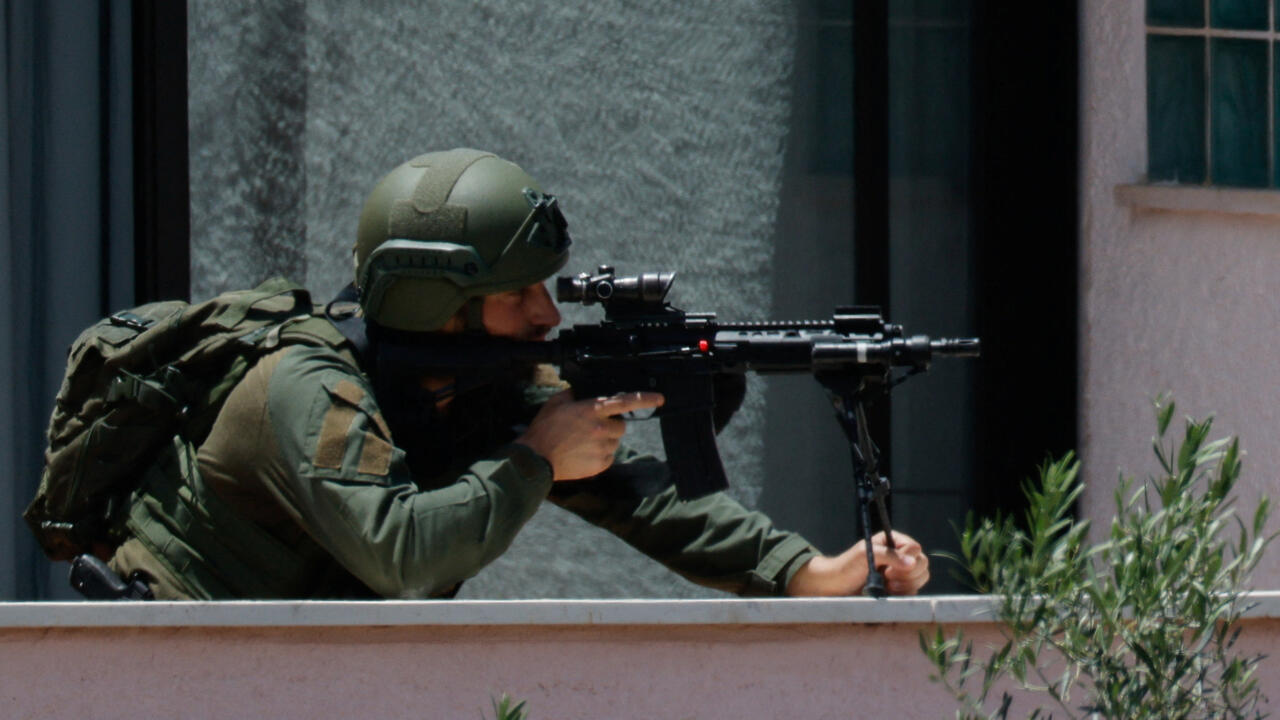
Despite the diplomatic push, military movements on the ground contradict the rhetoric of de-escalation. Prime Minister Netanyahu confirmed on Sunday that he had ordered troops to move further into Lebanon. This decision comes despite a ceasefire announcement made more than six weeks prior, which has not yet resulted in a sustained halt to hostilities.
The situation remains fluid as Lebanese officials continue to negotiate the terms of any potential agreement. While the US has provided a structural outline for a ceasefire, the divergence between the proposed diplomatic steps and the current military actions on the ground suggests that a formal resolution remains elusive.