US proposes drastic USMCA overhaul as Canada is excluded from renegotiations
Washington demands 82 per cent regional content for auto goods, triggering economic contraction in Canada and a strategic realignment under Prime Minister Mark Carney.
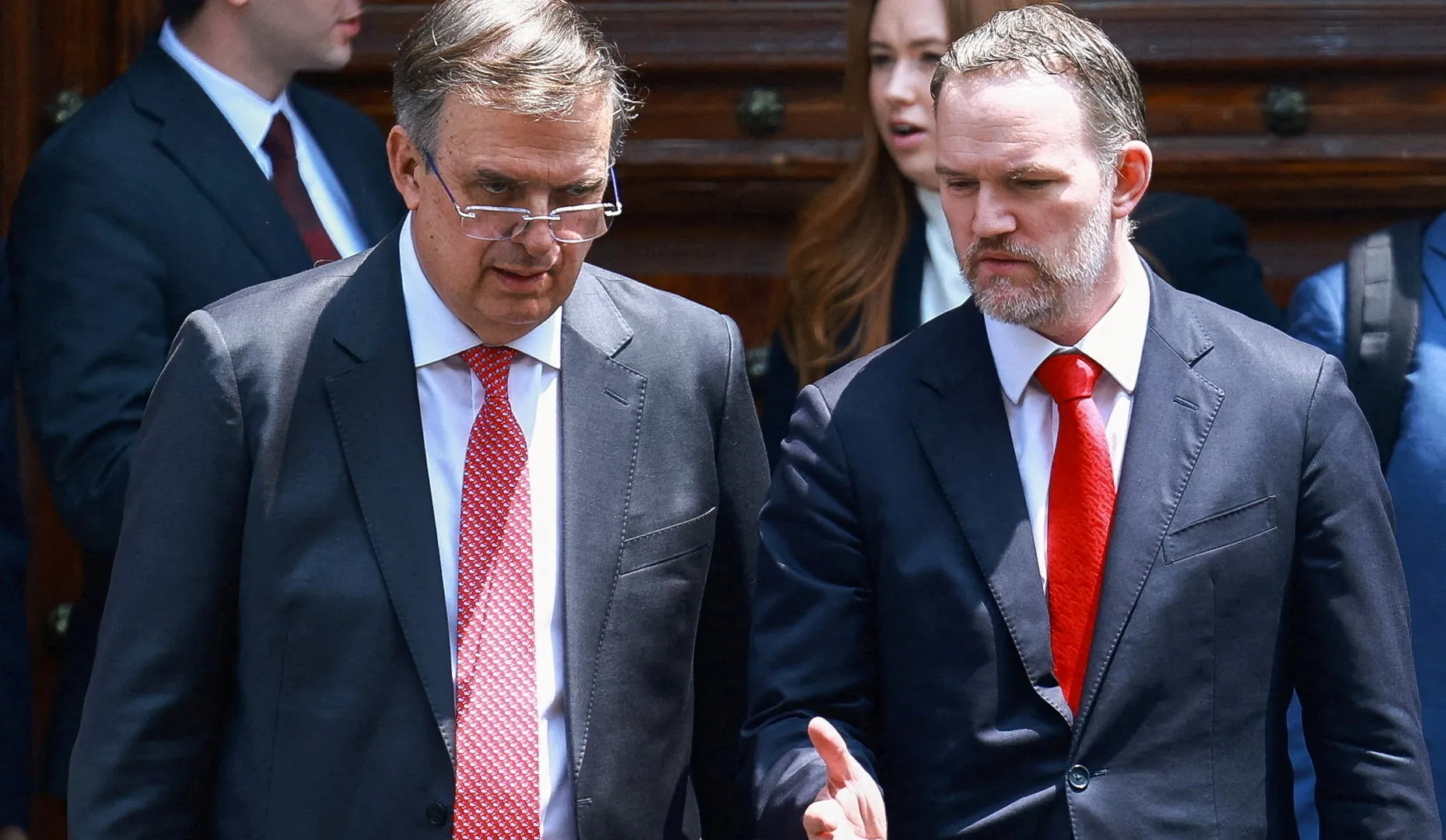
The United States has formally proposed raising the regional content requirement for vehicles under the United States-Mexico-Canada Agreement (USMCA) to 82 per cent, a significant escalation in trade pressure that has resulted in Canada’s exclusion from the ongoing renegotiation talks in Mexico City. Under the new proposal, 50 per cent of that value must originate within the United States, a sharp departure from the current agreement which mandates 75 per cent regional content, with 40 per cent of core parts produced in high-wage jurisdictions.
US Trade Representative Jamieson Greer is expected to present Canada with a take-it-or-leave-it proposition regarding these revised terms, bypassing direct Canadian participation in the Mexico City discussions. The proposal aims to tighten supply chain origins, contrasting with current rules that require 45 per cent of pick-up truck value to be produced in the US or Canada. This shift threatens to upend the duty-free trade zone that underpins nearly $1.6 trillion in annual trilateral commerce, particularly as President Donald Trump maintains 25 per cent tariffs on Canadian vehicles and components alongside 50 per cent duties on steel, aluminium, and copper.
The diplomatic friction coincides with a downturn in the Canadian economy, which contracted by 0.1 per cent at an annualised rate in the first quarter of 2026. Statistics Canada reported the decline on Friday, marking the second consecutive quarter of economic contraction driven by tariff uncertainty. While the quarterly GDP remained unchanged, the annualised drop follows a downwardly revised 1 per cent contraction in the fourth quarter of 2025, prompting economists to warn of a potentially bumpy ride ahead for the northern neighbour.
In response to the isolation from US trade negotiations, Prime Minister Mark Carney is accelerating efforts to diversify Canada’s economic dependencies, notably by strengthening ties with China. Foreign Minister Wang Yi visited Ottawa for the first state-level visit by a Chinese foreign minister in a decade, suggesting that Canadian exports to China could increase by 100 per cent, surpassing the government’s existing goal of a 50 per cent rise by 2030. This diplomatic push builds on an initial trade deal struck in January to reduce tariffs on electric vehicles, signalling a strategic pivot away from exclusive reliance on the US market.
Despite the growing rift, Carney has called for a reimagined partnership with the United States based on strategic autonomy. Speaking at the Economic Club of New York, the Prime Minister warned that global integration has been weaponised, arguing that true sovereignty requires the ability to feed, fuel, and defend a nation independently. Oxford Economics director Tony Stillo noted that Canada’s economic recovery depends on a favourable USMCA outcome and the resumption of normal commerce through the Strait of Hormuz, highlighting the complex geopolitical factors now influencing North American trade policy.