US proposes de-escalation roadmap as Israel deepens incursion into Lebanon
The United States has outlined a framework requiring Hezbollah to halt attacks in exchange for Israeli restraint, even as Israeli forces capture Beaufort Castle and international leaders condemn the escalating violence.
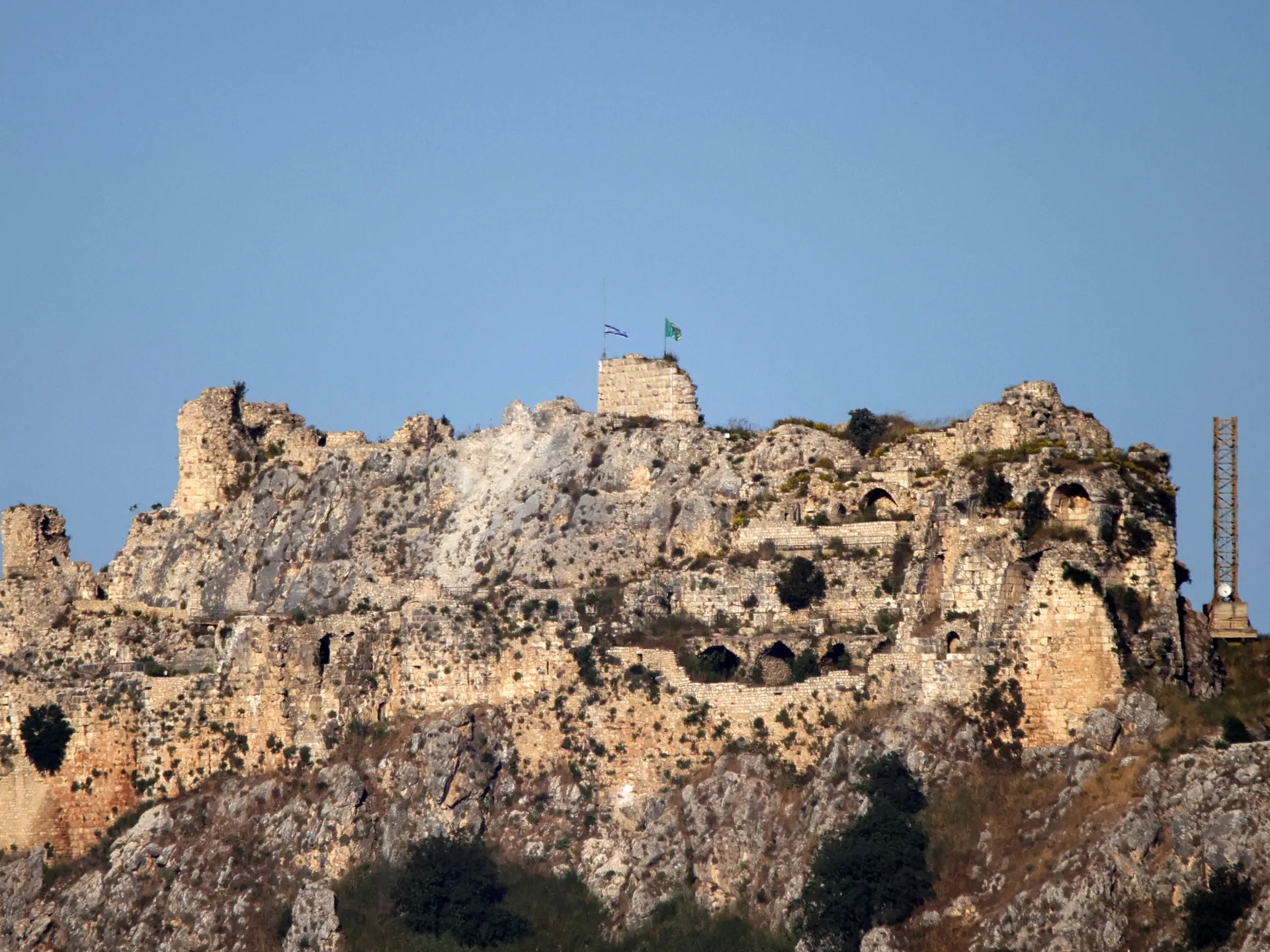
The United States has proposed a strategic roadmap to de-escalate hostilities in Lebanon, aiming for a comprehensive cessation of fighting between Israel and Hezbollah. The initiative, detailed by a US official to Al Jazeera, requires the Lebanese militant group to halt all attacks on Israel in exchange for Israel refraining from further escalation in Beirut. This diplomatic effort follows the Israeli military’s capture of Beaufort Castle in southern Lebanon, marking its deepest incursion into the country in decades.
US Secretary of State Marco Rubio has held separate talks with Lebanese President Joseph Aoun and Israeli Prime Minister Benjamin Netanyahu regarding the proposal. The US official stated that the plan aims to create a conducive environment for a gradual de-escalation and a complete cessation of all hostilities. However, the US also placed responsibility for the current conflict squarely on Hezbollah, accusing the group of following Iran’s directives and blaming Iran for prolonging the conflict to position itself as a mediator.
Despite the US initiative, Prime Minister Netanyahu ordered attacks on targets in Beirut’s southern suburbs, known as Dahiyeh, on Monday. In a video statement following the capture of Beaufort Castle, Netanyahu described the operation as a “dramatic shift” in policy and directed the military to deepen its hold in areas previously under Hezbollah control. He stated that Israel had returned “united, determined and stronger than ever,” rejecting any expectation that it would tolerate continued attacks on its civilians.
The human cost of the escalation, which began on 2 March, continues to mount. According to the Lebanese Ministry of Public Health, more than 3,412 people have been killed and 10,269 wounded in Lebanon, with over one million residents forcibly displaced. On Sunday alone, Israeli forces conducted more than 36 attacks across southern Lebanon, killing at least 12 people and wounding 35. A ceasefire agreed upon on 17 April has never been observed, with both sides accusing each other of daily violations.
International leaders have strongly condemned Israel’s military actions. French President Emmanuel Macron stated that “nothing justifies” the escalation, while UK Foreign Secretary Yvette Cooper called for a halt to military activity, noting it had eroded space for diplomacy. Qatar condemned the expansion of the ground offensive as a violation of international law, and Egypt’s Foreign Minister Badr Abdelatty called for Israel’s withdrawal from all Lebanese territory. Lebanese officials have responded cautiously, with Parliament Speaker Nabih Berri insisting that Israel must cease fire first before Hezbollah can guarantee a ceasefire.