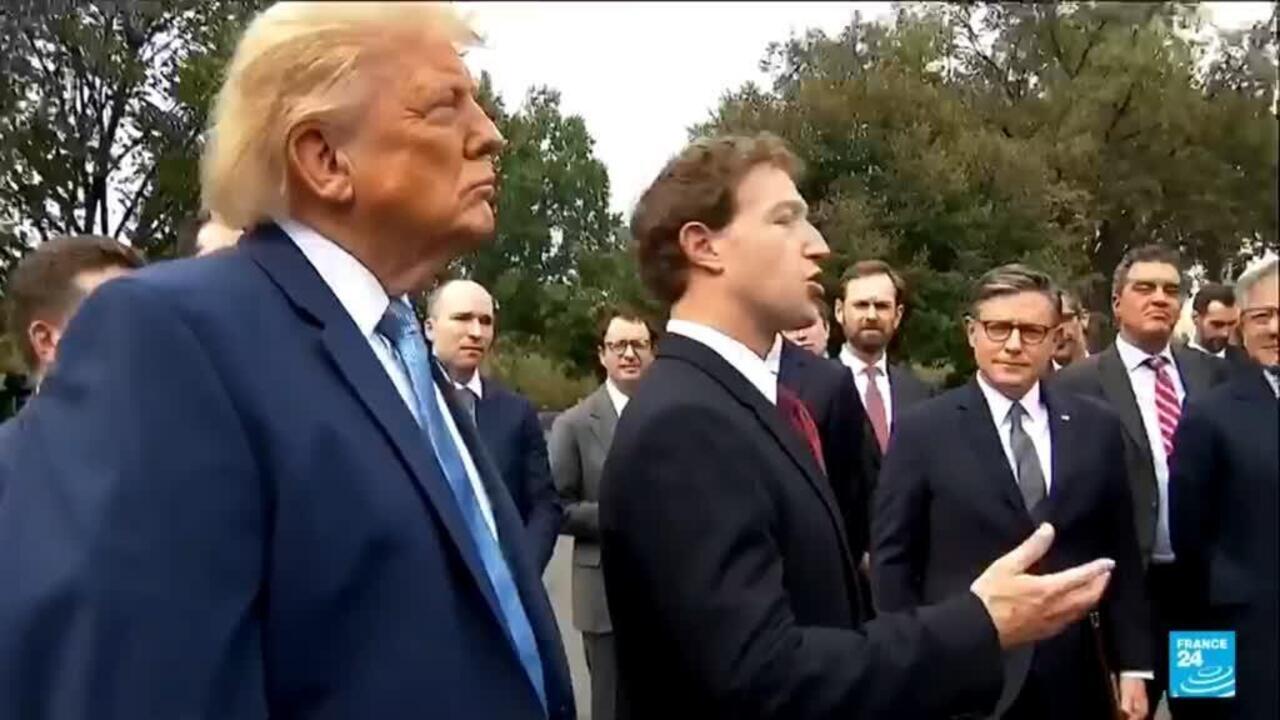
US President Trump rejects Iranian peace overture and considers military escalation
Administration officials cite internal divisions within the Iranian leadership and specific demands regarding the strategic waterway as key factors in the rejection
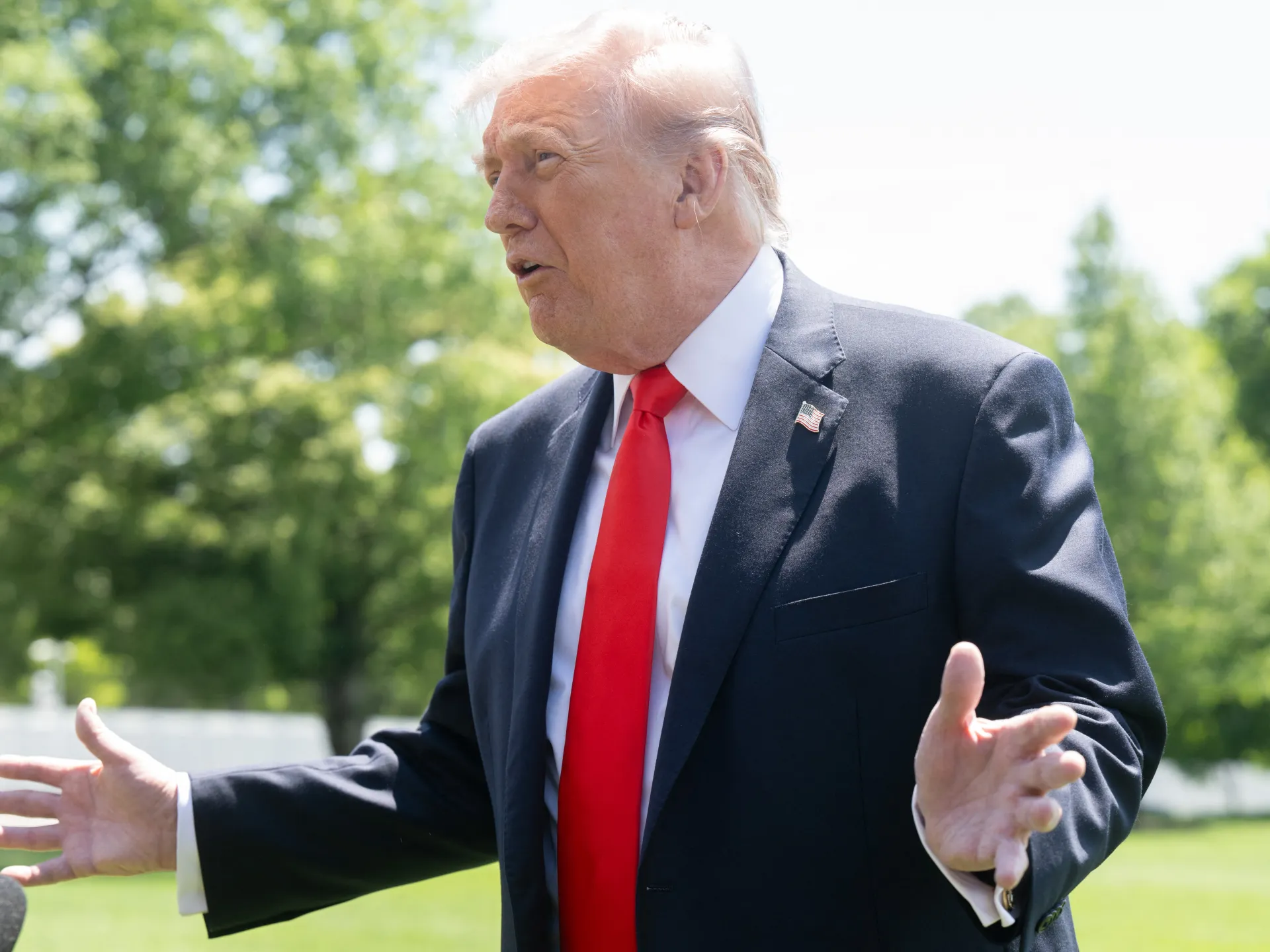
The White House has formally dismissed a recent peace proposal from Iran, with President Donald Trump stating he is not satisfied with the latest diplomatic overture. In a significant shift in tone, the President characterised the Iranian leadership as fractured and described the negotiating team as messed up, suggesting deep internal divisions within Tehran. This assessment marks a critical juncture in the ongoing standoff, as the administration moves away from the previous strategy of cancelling envoy trips to Pakistan in favour of domestic negotiations.
Specific elements of the rejected offer have drawn particular scrutiny from the administration. Officials indicate that the proposal contains demands which the President cannot agree to, with the Strait of Hormuz cited as a primary point of contention. The dispute over this strategic waterway has become the focal point of the diplomatic row, prompting the US to reconsider its military posture in the region.
Consequently, the administration has authorised the withdrawal of 5,000 troops from Germany. This decision stems from a broader diplomatic dispute between the US President and German Chancellor Friedrich Merz regarding the ongoing conflict. In response to similar reluctance expressed by other nations to participate in operations aimed at reopening the Strait of Hormuz, the President has suggested comparable reductions for US troop levels in Italy and Spain.
The US maintains a significant military footprint of over 36,000 active duty troops in the region, a presence that is now being recalibrated in light of these diplomatic failures. While the administration continues to hold a final bailout offer for Spirit Airlines as a separate domestic priority, the geopolitical focus remains firmly fixed on the escalating tensions with Iran. The rejection of the peace proposal leaves the specific content of the Iranian offer largely undefined, aside from the known objections regarding the strategic waterway.
The President has explicitly indicated that he is actively considering the option to launch a military attack against the nation. While the exact timeline for any potential strike remains undefined, the rhetoric suggests a willingness to escalate the conflict if diplomatic channels do not yield immediate results. The administration's stance reflects a hardline approach, viewing the current Iranian leadership as incapable of delivering a viable peace agreement.
This development underscores the volatility of the current security situation, where diplomatic overtures are being met with public expressions of dissatisfaction and potential military force. The link between the diplomatic dispute with Germany and the specific troop reductions in Italy and Spain relies on the President's public suggestions rather than confirmed executive orders, highlighting the fluid nature of the current policy direction. As the standoff continues, the focus remains on whether the fractured leadership in Tehran can adjust its approach to meet US demands before further military action is taken.