US President Trump Rejects Iran Peace Proposal Terms via Pakistan
The White House has dismissed a new Iranian offer transmitted through Pakistani mediators, citing terms it deems unworkable, while Tehran calls for a shift in American rhetoric to facilitate a resolution to the ongoing hostilities.
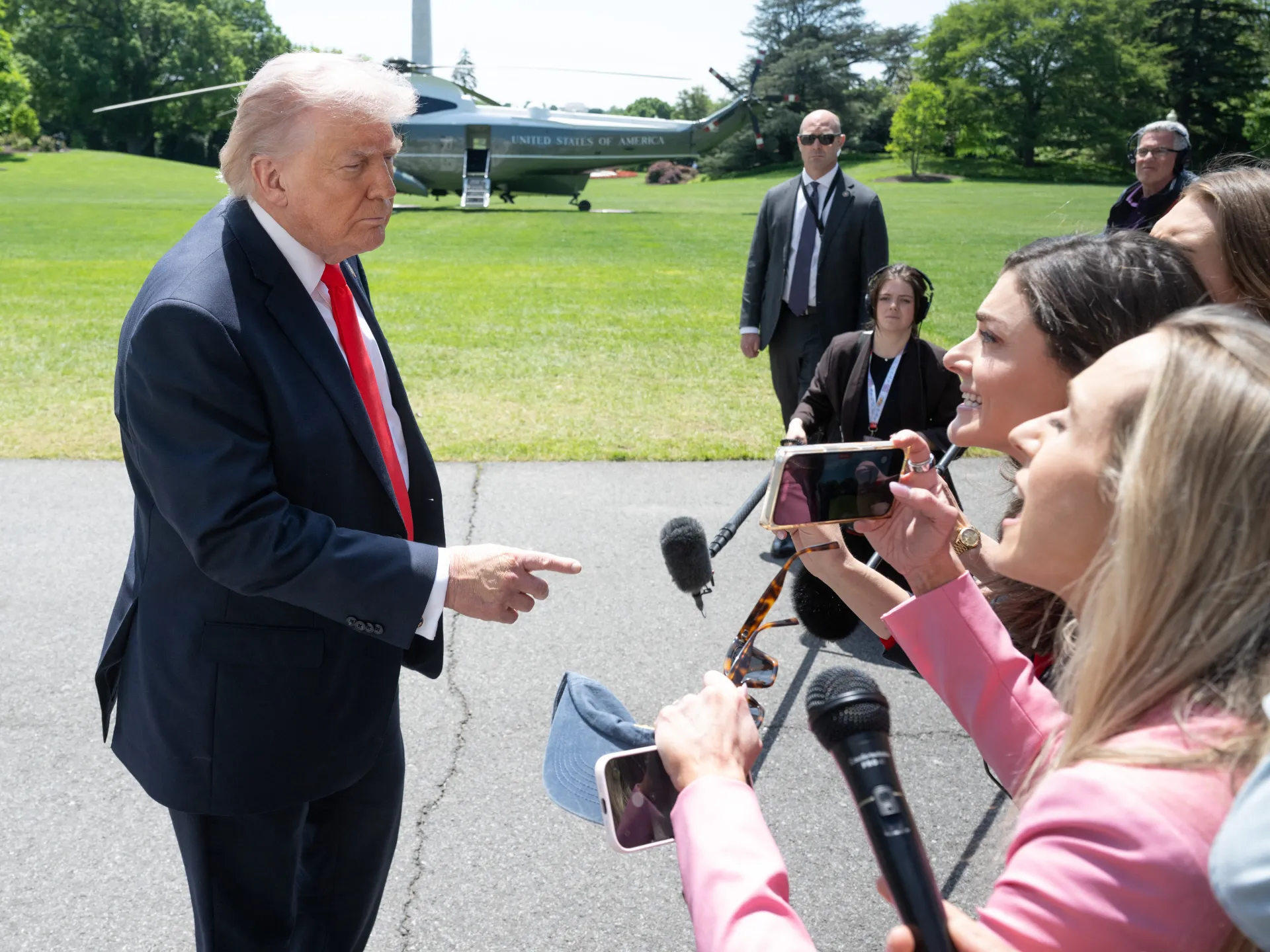
President Donald Trump has stated he is not satisfied with the latest peace proposal submitted by Iran, indicating that the specific terms contained within the offer are unacceptable to the United States administration. Speaking to the media on Friday, the President expressed uncertainty regarding whether a final agreement could be reached, warning that a resumption of hostilities might become necessary if a framework preventing a return to war is not secured.
The new proposal, which was transmitted to Washington via Pakistani mediators, arrived as negotiations in Islamabad had already stalled. Talks that commenced on April 11 lasted for more than 21 hours but failed to produce even a basic framework for further discussion. While a ceasefire has been in place since April 8, freezing hostilities that began on February 28, the diplomatic process remains fragile with both sides seeking a resolution that allows them to save face.
Iranian Foreign Minister Abbas Araghchi has responded to the American rejection by calling for Washington to alter its threatening rhetoric and expansionist approach to facilitate diplomacy. Tehran maintains that it is open to negotiations but insists its nuclear programme is solely for civilian purposes, a stance the US administration disputes by maintaining that any deal must guarantee Iran will not pursue nuclear weapons.
The international community remains urgently focused on securing a resolution to reopen the Strait of Hormuz, a critical chokepoint through which 20 per cent of global oil and liquefied natural gas shipments flow. This pressure was compounded when President Trump imposed a naval blockade on Iranian ports on April 13, a move intended to force Tehran back to the negotiating table and accept Washington's terms.
Despite the blockade, senior professor Sultan Barakat of Hamad Bin Khalifa University in Qatar noted that Iran's decision not to attack US warships involved in the operation underscores a desire to reach a deal. Barakat suggested that both nations are desperate to end the conflict, with Tehran seeking alternative routes through Pakistan and elsewhere rather than attempting to force their way across the blockade.
However, the White House has declined to detail the private diplomatic conversations or the specific contents of the proposal, reiterating that President Trump has made it clear he cannot agree to the terms presented. With the ceasefire entering its third week and no immediate breakthrough in sight, the prospect of renewed conflict looms large over the region.