US President Trump Announces Three-Day Ceasefire Truce Between Russia and Ukraine
A deal effective from 9 May to 11 May was confirmed via social media, yet diplomatic channels have yet to provide binding confirmation of the agreement.
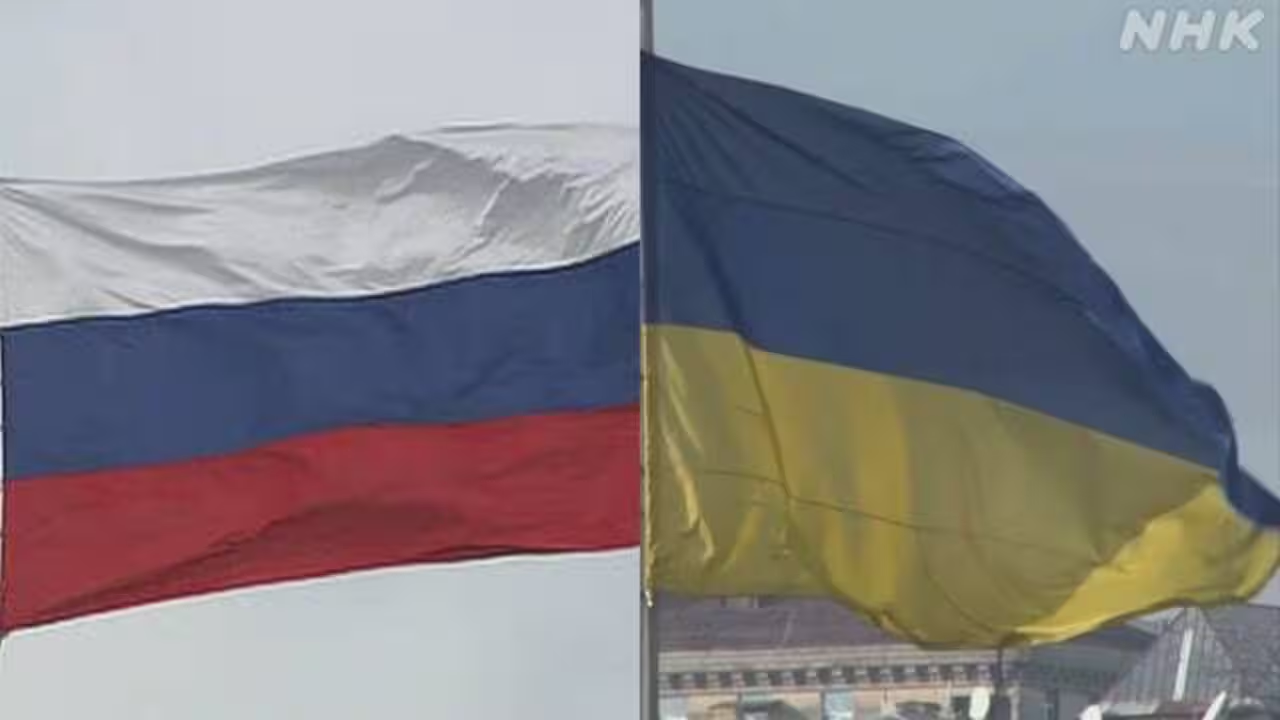
US President Donald Trump announced on 8 May that Russia and Ukraine have reached an agreement to observe a three-day ceasefire. The proposal, put forward by the United States, stipulates a temporary halt in fighting effective from 9 May to 11 May. This development marks a significant shift in the ongoing hostilities between the two nations, with Washington acting as the primary mediator in the negotiations.
Both the Russian and Ukrainian sides have publicly stated their acceptance of the US proposal. While these declarations suggest a consensus among the key belligerents, the nature of the agreement remains tentative. The announcement was disseminated directly by President Trump via social media, bypassing traditional diplomatic cables for the initial notification of the truce.
Despite the stated agreement, significant uncertainty persists regarding whether the ceasefire will actually be implemented on the ground. The limited duration of exactly three days raises questions about the strategic intent behind the temporary pause and whether it serves as a genuine de-escalation measure or a tactical respite. The short timeframe offers little opportunity for the military machinery of either side to fully disengage or verify compliance before hostilities potentially resume.
The context of this announcement occurs against a backdrop of heightened global tensions and scrutiny over US security protocols. This diplomatic development follows closely on the heels of an assassination attempt on President Trump at a recent press gala. The convergence of a major peace initiative with domestic security crises adds a layer of complexity to the administration's foreign policy objectives and the credibility of its diplomatic engagements.
While the public statements from Moscow and Kyiv indicate a willingness to engage with the US proposal, verification by official diplomatic channels is pending. The original reporting from NHK News Japan notes that the extent of the uncertainty regarding implementation was not fully detailed in the initial transmission. Consequently, the international community must treat these claims of acceptance with caution until they are corroborated by formal diplomatic instruments.
The proposed truce represents a critical juncture in the conflict, offering a brief window for potential humanitarian relief or tactical reassessment. However, the reliance on a social media announcement rather than a formal joint statement underscores the fluidity of the current political landscape. As the clock ticks toward 9 May, observers will be watching closely to determine if this three-day pause translates into a tangible reduction in violence or merely a brief interlude in a protracted war.