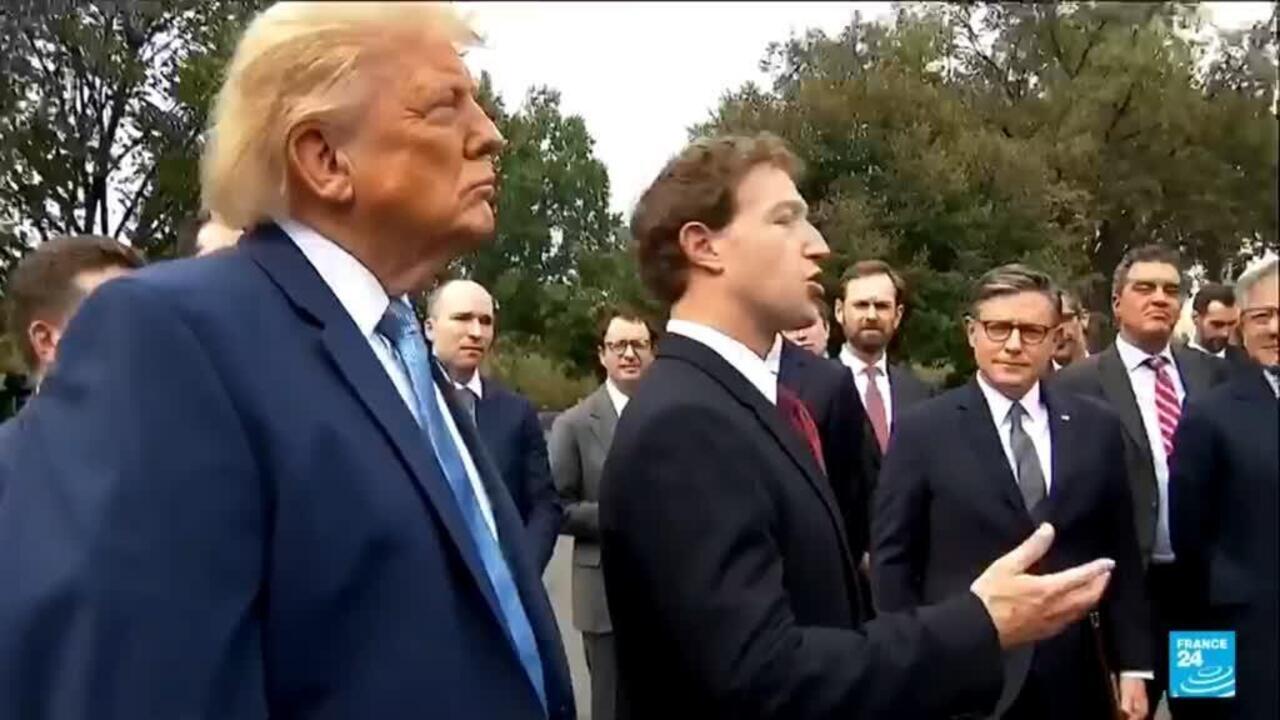
US President Trump announces 25% tariff hike on EU vehicles citing trade deal breach
President Donald Trump claims the European Union is failing to adhere to the terms of the 2025 Turnberry Agreement, a move that coincides with renewed diplomatic friction regarding the Ukraine war and troop levels in Europe.
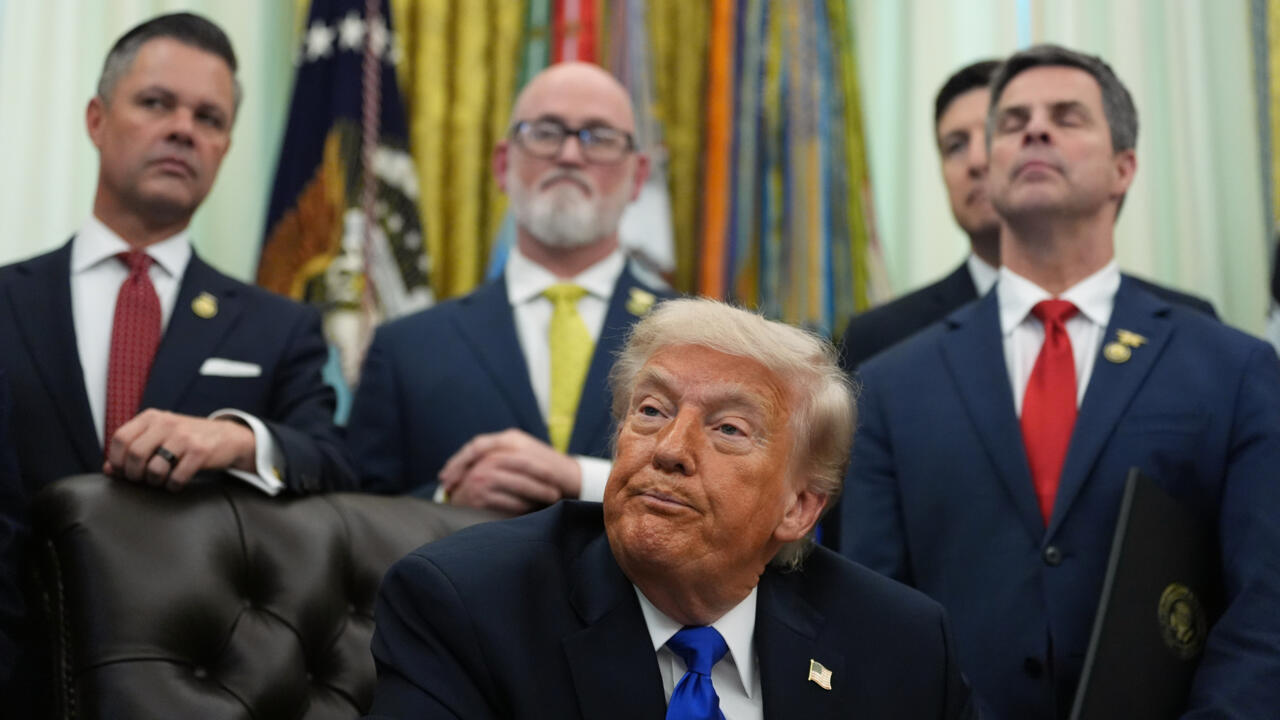
US President Donald Trump has announced a significant increase in tariffs on vehicles imported from the European Union, setting the rate at 25 per cent effective next week. The decision, communicated via a post on his Truth Social platform, marks a sharp departure from the previous 15 per cent ceiling established under the 2025 Turnberry Agreement.
The President justified the escalation by stating that the European Union is not complying with the fully agreed trade deal reached last summer with European Commission President Ursula von der Leyen. While the initial agreement capped duties on most goods from the bloc, Trump's new directive raises the specific levy on cars and trucks to a level comparable with duties imposed on other trading partners.
This announcement arrives amidst heightened diplomatic friction between Washington and Berlin. The White House move follows renewed criticism from President Trump directed at German Chancellor Friedrich Merz, who was urged to prioritise ending the war in Ukraine rather than interfering in the ongoing conflict in Iran. German officials, including Vice Chancellor Lars Klingbeil, have publicly rejected US guidance on the Iran issue, asserting that the current administration bears responsibility for the war's trajectory.
The timing of the tariff hike creates a complex legal backdrop, occurring shortly after a Supreme Court ruling earlier this year. That judicial decision determined that the President lacked the legal authority to declare an economic emergency to impose tariffs on EU goods, effectively reducing the applicable ceiling to 10 per cent under the administration's new import tax framework. Despite this legal constraint, Trump is proceeding based on the original terms of the Turnberry Agreement.
Germany stands to be disproportionately affected by the policy shift, given its status as a major exporter of automotive parts and vehicles to the United States. The potential reduction of US troop levels in Germany, Italy, and Spain further underscores the strain on transatlantic relations, with European leaders viewing the troop review as a direct consequence of the broader diplomatic row.
While the King of the United Kingdom's state visit to the US is confirmed to proceed as planned, the economic implications for the European auto industry remain uncertain. The White House has not provided further details on the specific objections regarding the EU's non-compliance, leaving the precise nature of the alleged breach open to interpretation as the policy takes effect next week.