US pivots to intelligence-led model in Africa after Nigeria drawdown
Following the elimination of senior ISWAP leader Abu Bilal al-Minuki, US Africa Command General Dagvin Anderson announces a strategic shift in Nigeria, positioning the mission as a blueprint for future security cooperation across the continent.
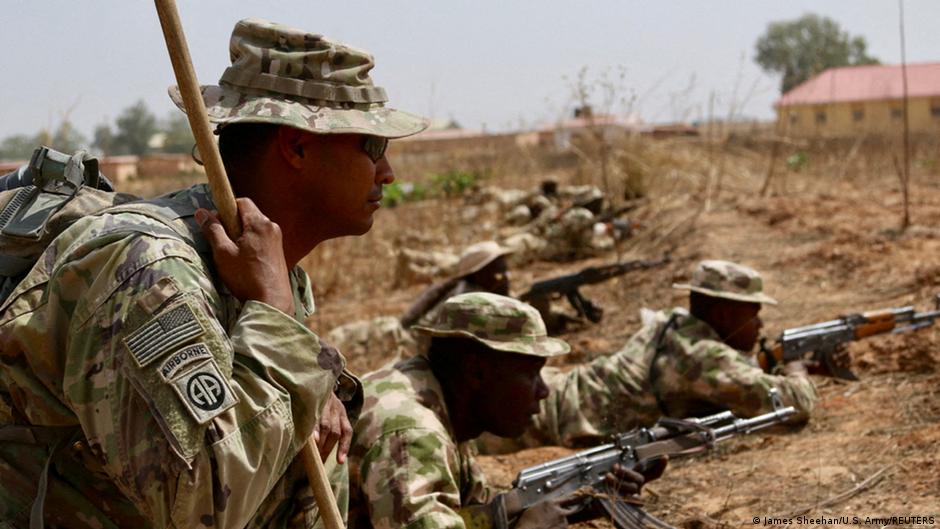
The United States has withdrawn the majority of its troops from a joint counterterrorism operation in northeastern Nigeria, marking a significant recalibration of Washington’s security posture on the African continent. US Africa Command General Dagvin Anderson confirmed the drawdown at a conference of African defence chiefs in Luanda, Angola, describing the Nigeria mission as a “proof of concept” for future cooperation. While the physical presence of US forces has been reduced, Anderson emphasised that the partnership with Nigeria continues through intelligence sharing and logistical support, a model Washington intends to replicate across the region.
The withdrawal follows a successful joint operation targeting the Islamic State West African Province (ISWAP), which resulted in the death of senior leader Abu Bilal al-Minuki and the elimination of 175 fighters. The mission also saw the destruction of militant infrastructure, including checkpoints, weapon caches, and financing networks. The initial deployment in February 2024 involved a small contingent sent to support local forces with training and logistics, a move that occurred amid diplomatic tensions after US President Donald Trump accused Nigeria of failing to protect Christians and threatened military intervention.
Analysts suggest the shift reflects a broader US strategy of burden-sharing, aiming to sustain involvement through specialised support rather than large-scale deployments. This approach comes as Western forces are pruned back in the face of increasing Russian and Chinese influence in Africa. Taiwo Adebayo, a researcher at the Institute for Security Studies (ISS Africa), noted that the strategy fits a wider foreign policy interest in dismantling IS networks while re-establishing American relevance in African security after a period of reduced engagement.
Despite the drawdown in Nigeria, the United States maintains a significant military presence elsewhere, including approximately 600 personnel in Somalia, where it conducts sustained air campaigns against IS fighters and al-Shabaab militants. James Barnett, a research fellow with the Hudson Institute, observed that while the Trump administration is willing to flex military muscle through airstrikes or raids, the overarching philosophy remains assisting capable African partners to lead operations.
The strategic pivot occurs against a backdrop of escalating violence, with the 2026 Global Terrorism Index reporting that more than half of the world’s terrorism-related deaths occurred in West Africa’s Sahel region. Experts such as Beverly Ochieng of Control Risks caution that while US support provides essential early warnings, military solutions alone are insufficient. Ochieng argued that underpinning issues enabling militant groups must be addressed by African governments themselves, noting that recent US interventions have not necessarily dislodged insurgent networks or resolved the wider impacts of insecurity.