US petrol prices breach $4.00 mark as Middle East tensions disrupt shipping
Rising crude benchmarks and reduced vessel traffic offset recent inflationary relief, raising concerns over interest rate trajectories.
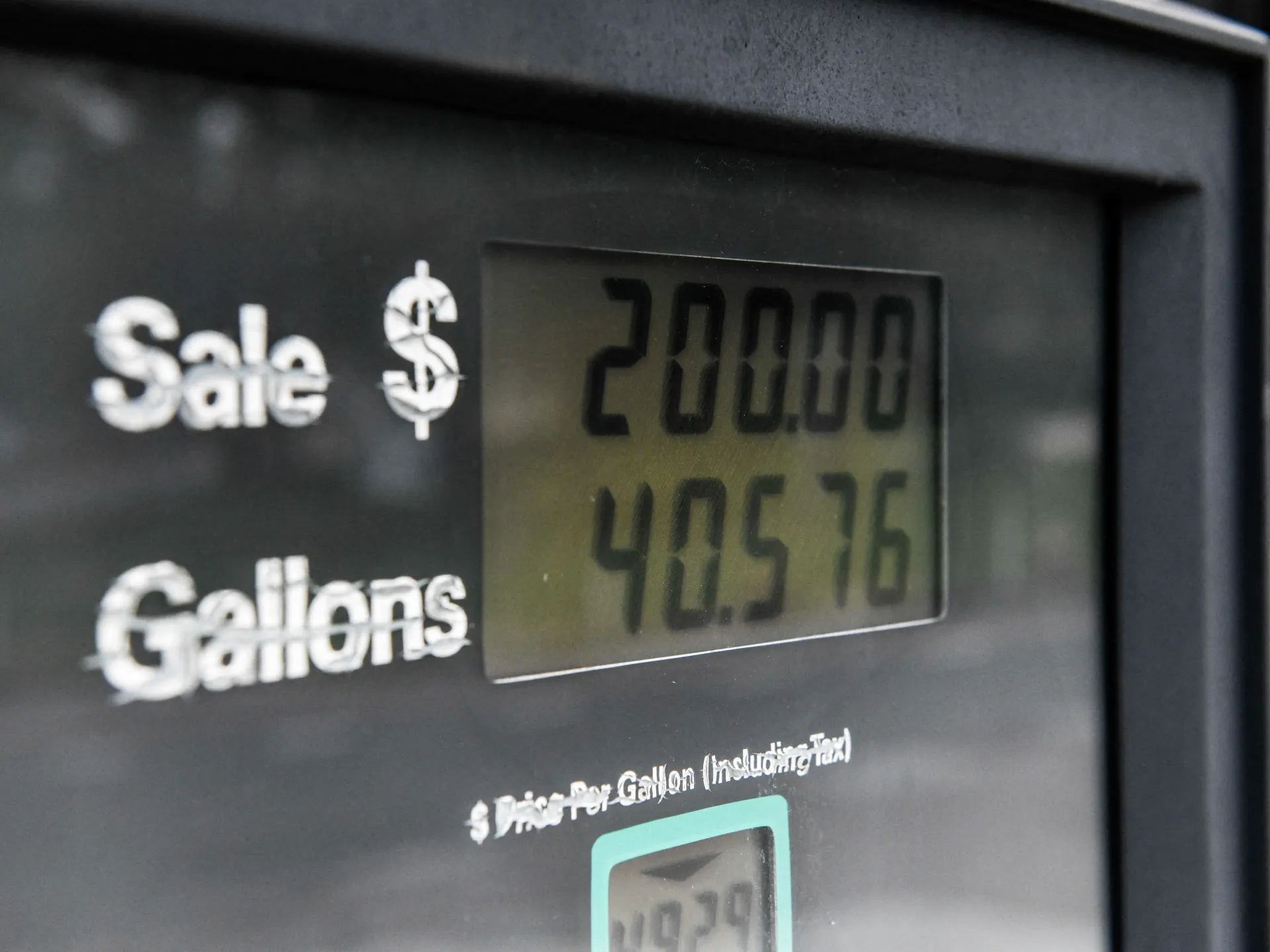
US petrol prices have risen above $4.00 per gallon for the second consecutive week, driven by escalating tensions between the United States and Iran and significant disruptions to shipping in the Strait of Hormuz. According to the American Automobile Association (AAA), the average price reached $4.00 on Sunday, up from $3.87 the previous week. This surge marks a sharp reversal from recent data indicating a decline in consumer inflation, suggesting that the earlier reprieve was short-lived as fighting in the region intensified.
The price volatility follows the breakdown of a ceasefire and Iranian military threats to target ships in the strategic waterway, which historically carried roughly 20 per cent of the world’s oil supply. Data from Kpler indicates that vessel traffic through the Strait dropped precipitously between July 17 and 19, with only 30 vessels transiting. Traffic was further constrained over the weekend, with just eight ships passing on Saturday and four on Sunday.
Benchmark oil prices fluctuated in response to these security concerns. Brent crude hit $91.42 on Sunday before falling 0.1 per cent to $88.04 on Monday. US West Texas Intermediate (WTI) reached its highest level since June 12 at $85.39 before retreating 0.2 per cent to $82.29. The instability was compounded by Yemen’s Houthis announcing a naval blockade against Saudi Arabia, adding pressure to Red Sea shipping routes and raising fears that US attacks on Iranian energy infrastructure could further disrupt global supply chains.
The physical risks to maritime commerce were underscored by reports from Greece’s Dynacom Tankers, which stated that two projectiles struck two of its ships near the Omani coast. The company did not identify the source of the fire, but the incident highlights the tangible dangers facing commercial shipping in the region. These disruptions have kept energy prices in focus for policymakers, with David Meger of High Ridge Futures noting that re-escalation in the Middle East may deter the Federal Reserve from pausing interest rate hikes later this year.
Despite the geopolitical turmoil, US equity markets showed mixed performance. The tech-heavy Nasdaq rose 0.6 per cent and the S&P 500 gained 0.2 per cent, supported by a rally in the US chip sector after Alibaba previewed its latest artificial intelligence model. The Dow Jones Industrial Average fell 0.25 per cent. In commodity markets, spot gold slipped 0.1 per cent to $4,011.96 per ounce, while Treasury yields rose 0.5 per cent and the US dollar gained 0.1 per cent.