US pauses Iran strike as Tehran peace proposal triggers market volatility
The White House announced a temporary halt to a planned military assault on Iran following a diplomatic overture from Tehran, though Washington retains the option to resume hostilities immediately if negotiations fail.
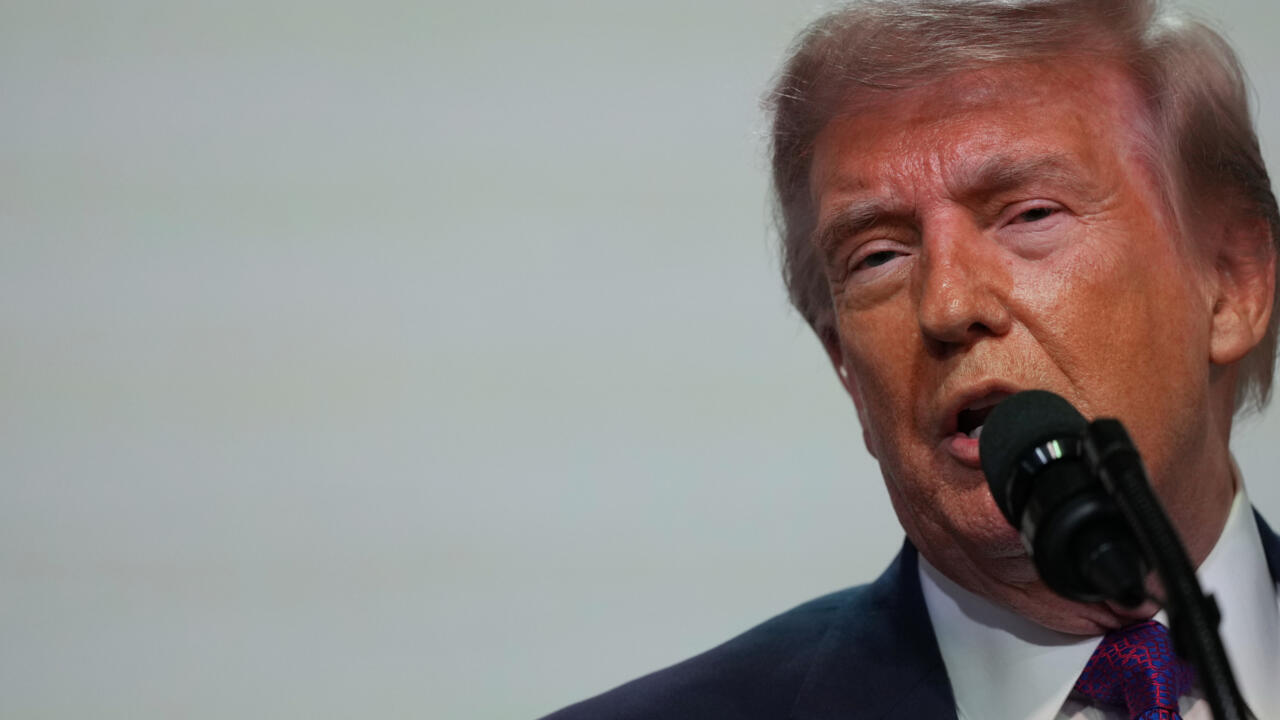
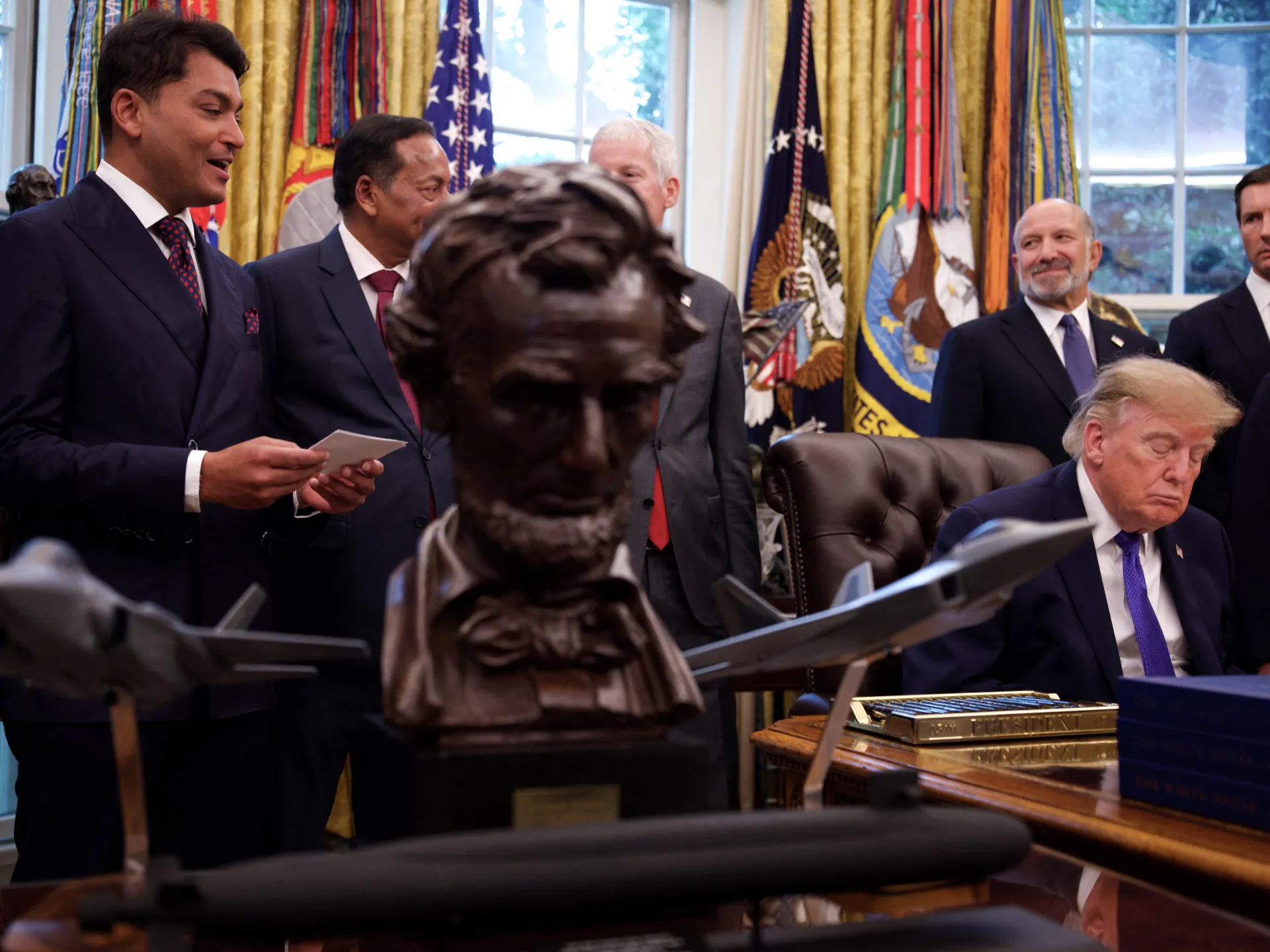
US President Donald Trump announced on Monday that he had paused a planned military attack on Iran following a peace proposal from Tehran, stating there was a “very good chance” of reaching an agreement to limit Iran’s nuclear programme. Trump instructed the US military to remain prepared to launch a large-scale assault on short notice if an acceptable deal is not reached, signalling that the window for diplomacy remains narrow and conditional.
The announcement contributed to mixed Asian share markets on Tuesday, with Japan’s Nikkei 225 falling 0.6% and South Korea’s Kospi dropping 3.5%. The sell-off occurred despite positive domestic economic data from Japan, where the economy grew for the second consecutive quarter driven by consumer spending. In South Korea, major technology stocks including Samsung Electronics and SK Hynix tracked losses from Wall Street, reflecting broader investor caution regarding regional stability.
Trump claimed he was holding off on the military strike at the request of Gulf State leaders because “serious negotiations” were under way. However, the path to a settlement appears fraught with complexity. Reports from Tehran indicate that Iranian leaders are projecting defiance and rejecting pressure from the United States, suggesting that Tehran is not yielding to Washington’s demands despite the looming threat of military action.
Concurrently, Iran announced the creation of a new body to oversee the Strait of Hormuz. This entity will manage maritime traffic and provide updates as tolls and restrictions reshape global shipping routes, a move that underscores Tehran’s intent to leverage its strategic geographic position regardless of the outcome of nuclear talks.
In a separate development highlighting the broader regional conflict, Lebanon’s health ministry reported that Israeli strikes had killed more than 3,000 people since operations against Hezbollah began. The escalating violence in Lebanon adds another layer of instability to the Middle East, complicating diplomatic efforts to de-escalate tensions between the United States and Iran.