US Parties Face Electoral Scrutiny Amidst Iran Geopolitics and Internal Purges
As the November midterms approach, the Republican Party has unseated vocal critics including Representative Thomas Massie, while the Democratic Party acknowledges internal failures to connect with voters.
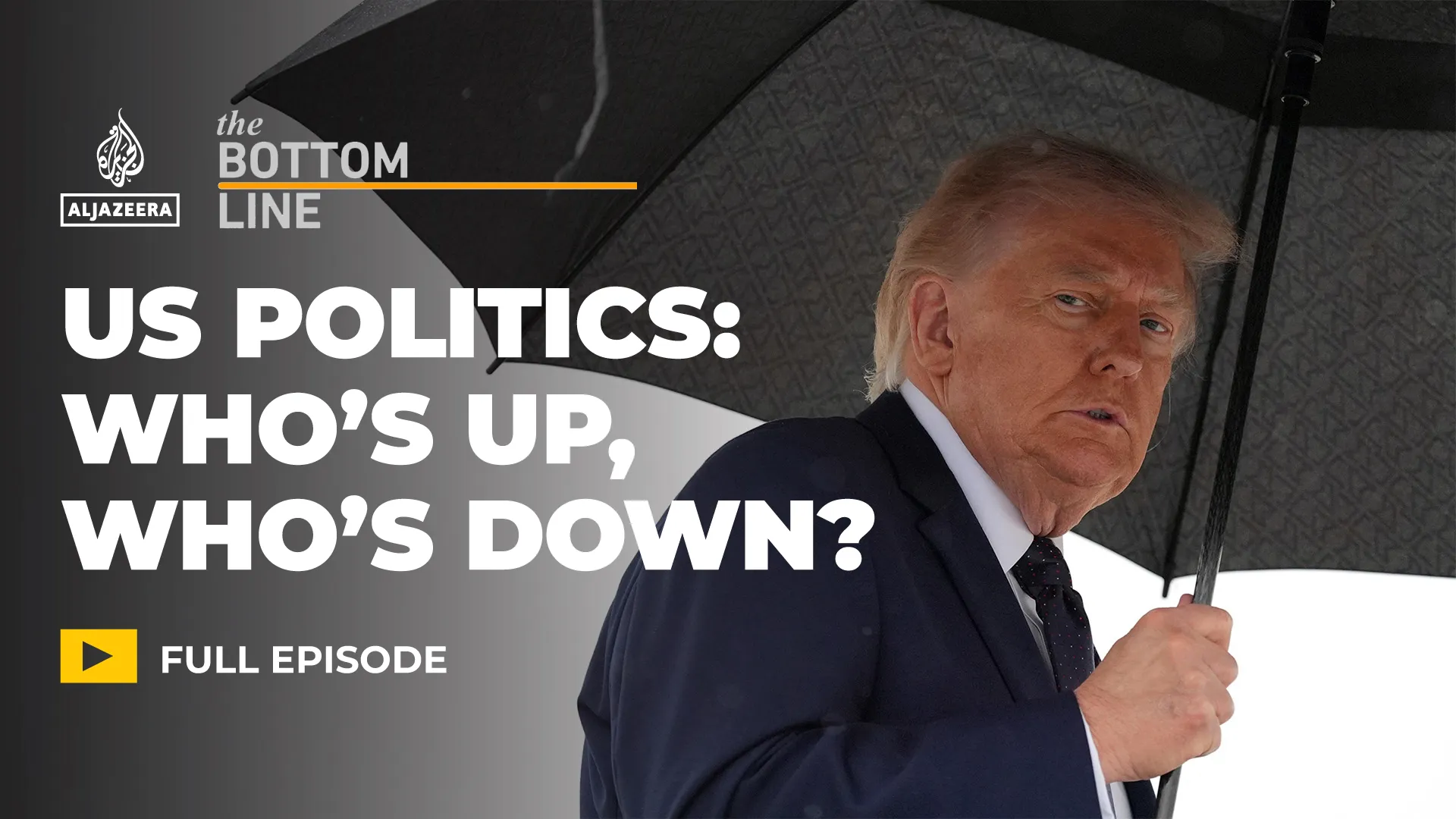
The political landscape ahead of the November 2026 US midterm elections is being reshaped by significant internal realignments within both major parties. President Donald Trump has moved to remove vocal critics from the Republican Party, a move that has drawn attention to the party's cohesion ahead of the congressional vote. Among those unseated is Representative Thomas Massie, a prominent figure who had previously advocated for the release of the Epstein files.
Concurrently, the Democratic Party has released a report addressing its own internal challenges. The document cites a persistent inability or unwillingness to listen to all voters, highlighting a self-assessment of the party's disconnect with the electorate. This admission comes as the party prepares for the midterms, suggesting that leadership is grappling with fundamental questions about voter engagement and representation.
The broader context for these domestic political shifts is the fallout from tensions related to Iran. Former Trump aide Hogan Gidley and former Bernie Sanders adviser Matt Duss have engaged in discussions regarding the challenges facing both parties. Their dialogue frames the electoral contest not just in domestic terms, but against the backdrop of significant geopolitical instability.
While the specific details of the Iran situation remain a subject of analysis, its impact on the upcoming elections is a central theme in current political discourse. The interplay between foreign policy outcomes and domestic voter sentiment appears to be a key factor influencing the strategies of both the Republican and Democratic parties.
As the November election draws nearer, the removal of critics within the Republican ranks and the Democratic Party's acknowledgment of its listening deficits suggest a period of intense internal recalibration. The ability of both parties to address these structural and perceptual issues will likely determine their prospects in the upcoming midterms.